
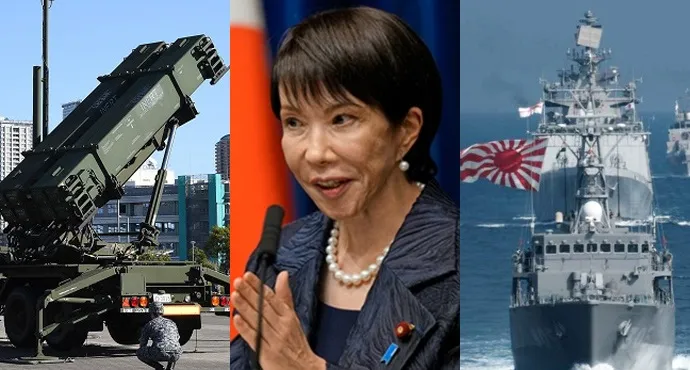
In a landmark decision that signals a major تحول in its post-war identity, Japan has lifted its long-standing ban on exporting lethal weapons. The move marks one of the most significant changes in Japan’s defense policy since the end of World War II and reflects a rapidly evolving security environment in the Asia-Pacific region.
This decision has drawn global attention, with supporters viewing it as a necessary step toward strengthening national and regional security, while critics warn of increased militarization and rising tensions.
Background: Japan’s Pacifist Constitution
Following its defeat in World War II, Japan adopted a pacifist constitution, most notably Article 9, which renounces war and prohibits the maintenance of traditional military forces for combat purposes. For decades, this constitutional framework shaped Japan’s defense policies, limiting its military activities and restricting arms exports.
Although Japan established the Self-Defense Forces, its role remained largely defensive. Strict guidelines also prevented Japanese companies from exporting military equipment, particularly lethal weapons.
Over time, however, regional security challenges and global expectations began to push Japan toward a more flexible interpretation of its defense policies.
What the Policy Change Means
The new policy allows Japan to export lethal military equipment under certain conditions. This includes advanced weapons systems, defense technology, and potentially joint development projects with allied countries.
The decision is expected to:
- Strengthen Japan’s defense industry
- Enhance cooperation with allies
- Contribute to regional security initiatives
Japanese officials have emphasized that exports will still be regulated and aligned with international law. The government has stated that the goal is not to promote conflict but to support stability and deterrence.
Why Japan Made This Decision
Several factors have contributed to this historic shift:
1. Rising Regional Threats
Japan faces increasing security concerns, particularly from China and North Korea. Territorial disputes, military expansion, and missile tests have heightened tensions in the region.
2. Strengthening Alliances
Japan’s alliance with the United States remains a cornerstone of its security strategy. Allowing arms exports enables Japan to play a more active role in joint defense initiatives and burden-sharing.
3. Supporting Defense Industry Growth
The policy change opens new opportunities for Japan’s defense sector, allowing companies to compete in the global arms market. This could boost innovation, create jobs, and strengthen technological capabilities.
4. Changing Global Security Dynamics
With increasing geopolitical competition, countries are re-evaluating their defense strategies. Japan’s decision reflects a broader trend toward military modernization and strategic preparedness.
International Reactions
China’s Concern
China has expressed concern over Japan’s decision, warning that it could lead to increased militarization in the region. Chinese officials have urged Japan to adhere to its pacifist principles and avoid actions that might destabilize regional security.
Given historical tensions between the two countries, China’s reaction highlights the sensitivity of any change in Japan’s military posture.
Regional and Global Responses
Other countries have reacted with a mix of caution and support:
- Some allies welcome Japan’s increased contribution to regional security
- Others worry about the potential for an arms race in East Asia
- Analysts stress the importance of transparency and responsible implementation
Impact on Regional Security
Japan’s decision could have far-reaching implications for the Asia-Pacific region:
1. Increased Military Cooperation
Japan may expand defense partnerships with countries in Southeast Asia and beyond, providing equipment and technology to support their security needs.
2. Strategic Balance of Power
The move could alter the balance of power in the region, particularly in areas like the South China Sea.
3. Risk of Escalation
While intended as a deterrent, increased arms exports could contribute to rising tensions if perceived as aggressive by neighboring countries.
Domestic Debate in Japan
The policy change has sparked significant debate within Japan:
- Supporters argue that it is necessary for national security
- Critics fear it undermines Japan’s pacifist identity
Public opinion remains divided, reflecting broader questions about Japan’s role in the world.
Economic Implications
Beyond security, the decision has economic dimensions:
- Japanese defense companies gain access to international markets
- Potential for increased research and development investment
- Opportunities for joint ventures with global partners
This could position Japan as a key player in the global defense industry.
Challenges Ahead
Despite its potential benefits, the policy shift also presents challenges:
- Ensuring compliance with international regulations
- Managing diplomatic relations with neighboring countries
- Balancing economic interests with ethical considerations
Effective governance and transparency will be crucial in addressing these issues.
Conclusion
Japan’s decision to lift its ban on lethal arms exports marks a turning point in its post-war history. As the country adapts to a changing security environment, it faces the challenge of balancing its pacifist legacy with the demands of modern geopolitics.
The move reflects broader shifts in global power dynamics and underscores the growing importance of the Asia-Pacific region in international affairs. Whether this policy will enhance stability or contribute to rising tensions remains to be seen.
What is clear, however, is that Japan is entering a new era—one that will shape its role on the global stage for years to come.














Leave a Reply