
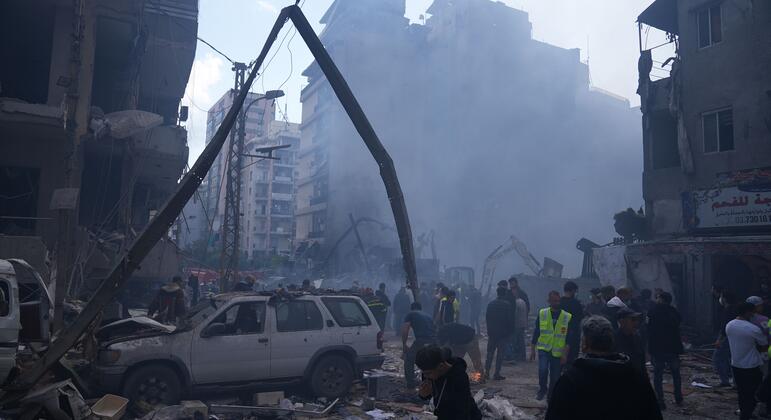
The Middle East remains one of the most volatile regions in the world, and in 2026, the situation continues to be dangerously unstable. Despite temporary ceasefires and ongoing diplomatic efforts, multiple conflicts and geopolitical rivalries are keeping the region on edge. From military confrontations to economic risks, the current crisis has far-reaching implications for global security and stability.
Ongoing Conflicts Fuel Instability
One of the primary reasons the Middle East remains dangerous is the continuation of armed conflicts across several countries. The tensions involving Iran, Israel, and various non-state actors have created a highly unpredictable environment. Missile exchanges, airstrikes, and border skirmishes have become frequent, increasing the risk of a full-scale regional war.
In addition, conflicts in countries like Syria and Yemen continue to contribute to instability. These prolonged wars have not only devastated local populations but have also created power vacuums that allow militant groups to operate freely. As a result, peace in the region remains fragile and difficult to achieve.
Strategic Importance of the Strait of Hormuz
A key factor that makes the Middle East crisis globally significant is the Strait of Hormuz. This narrow waterway is one of the most important النفط (oil) transit routes in the world. A large percentage of global oil supply passes through this route, making it a critical point for international trade.
Recent military activity near the Strait of Hormuz has raised serious concerns. Naval deployments, threats of blockades, and security incidents have increased the risk of disruption. Any closure or instability in this region could lead to a sharp rise in global oil prices, affecting economies worldwide.
Impact on Global Economy
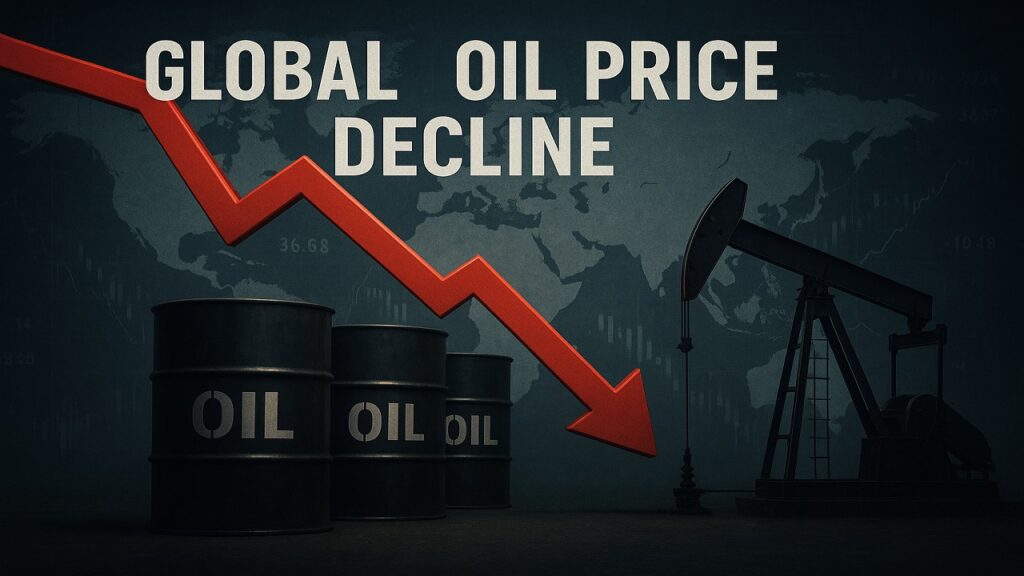
The ongoing tensions in the Middle East are already affecting the global economy. Oil price fluctuations have created uncertainty in energy markets, leading to higher fuel costs in many countries. This, in turn, contributes to inflation and increases the cost of living.
Moreover, investors are becoming cautious due to geopolitical risks. Stock markets have shown signs of volatility, and international trade routes are under pressure. Countries that rely heavily on Middle Eastern oil are particularly vulnerable, as any disruption could impact their economic stability.
Diplomatic Efforts and Challenges
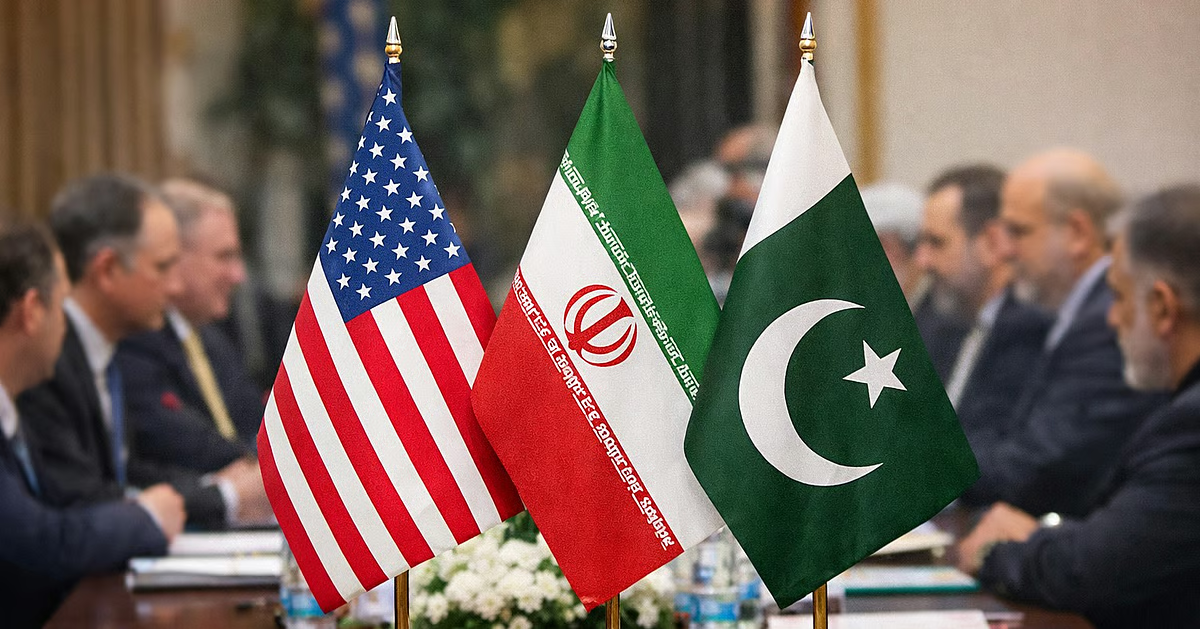
Several countries and international organizations are working to reduce tensions in the Middle East. Diplomatic talks, ceasefire agreements, and peace negotiations are ongoing, but progress has been slow. Deep-rooted political differences, religious divisions, and historical rivalries make it difficult to reach long-term solutions.
One of the biggest challenges is the lack of trust among the involved parties. Accusations of ceasefire violations and conflicting interests often derail negotiations. Even when agreements are reached, they tend to be temporary and fragile.
Humanitarian Crisis in the Region
Beyond politics and economics, the Middle East crisis has created a severe humanitarian situation. Millions of people have been displaced due to ongoing conflicts, and access to basic necessities such as food, water, and healthcare remains limited in many areas.
Refugee camps are overcrowded, and international aid organizations are struggling to meet the growing demand. Children and vulnerable populations are particularly affected, facing long-term consequences such as lack of education and psychological trauma.
Risk of Wider Regional War
Perhaps the most alarming aspect of the current situation is the risk of a wider regional war. With multiple countries involved directly or indirectly, even a small incident could escalate into a larger conflict. Military alliances and proxy wars further complicate the situation.
Global powers are also closely monitoring the region, as any escalation could draw them into the conflict. This increases the stakes and makes the situation even more dangerous.
Future Outlook
The future of the Middle East remains uncertain. While diplomatic efforts continue, there is no clear path to lasting peace. The region’s complexity requires long-term strategies that address not only political issues but also economic and social challenges.
Stability in the Middle East is crucial for global peace and prosperity. Without meaningful progress, the risks of conflict, economic disruption, and humanitarian crises will continue to grow.
Conclusion
The Middle East situation in 2026 is still highly dangerous, with ongoing conflicts, economic risks, and humanitarian challenges. Despite international efforts to bring peace, the region remains on edge.
Understanding the importance of stability in the Middle East is essential, as its impact extends far beyond regional borders. The coming months will be critical in determining whether diplomacy can prevail or tensions will escalate further.








Leave a Reply