

Sports and entertainment in 2026 are evolving faster than ever, driven by digital platforms, global fan engagement, and the rise of new technologies like AI, streaming, and immersive media. Today, sports are not just about competition, and entertainment is not just about movies or music—they have become interconnected industries that influence culture, business, and even technology.
1. Global Sports: Bigger, Faster, More Digital
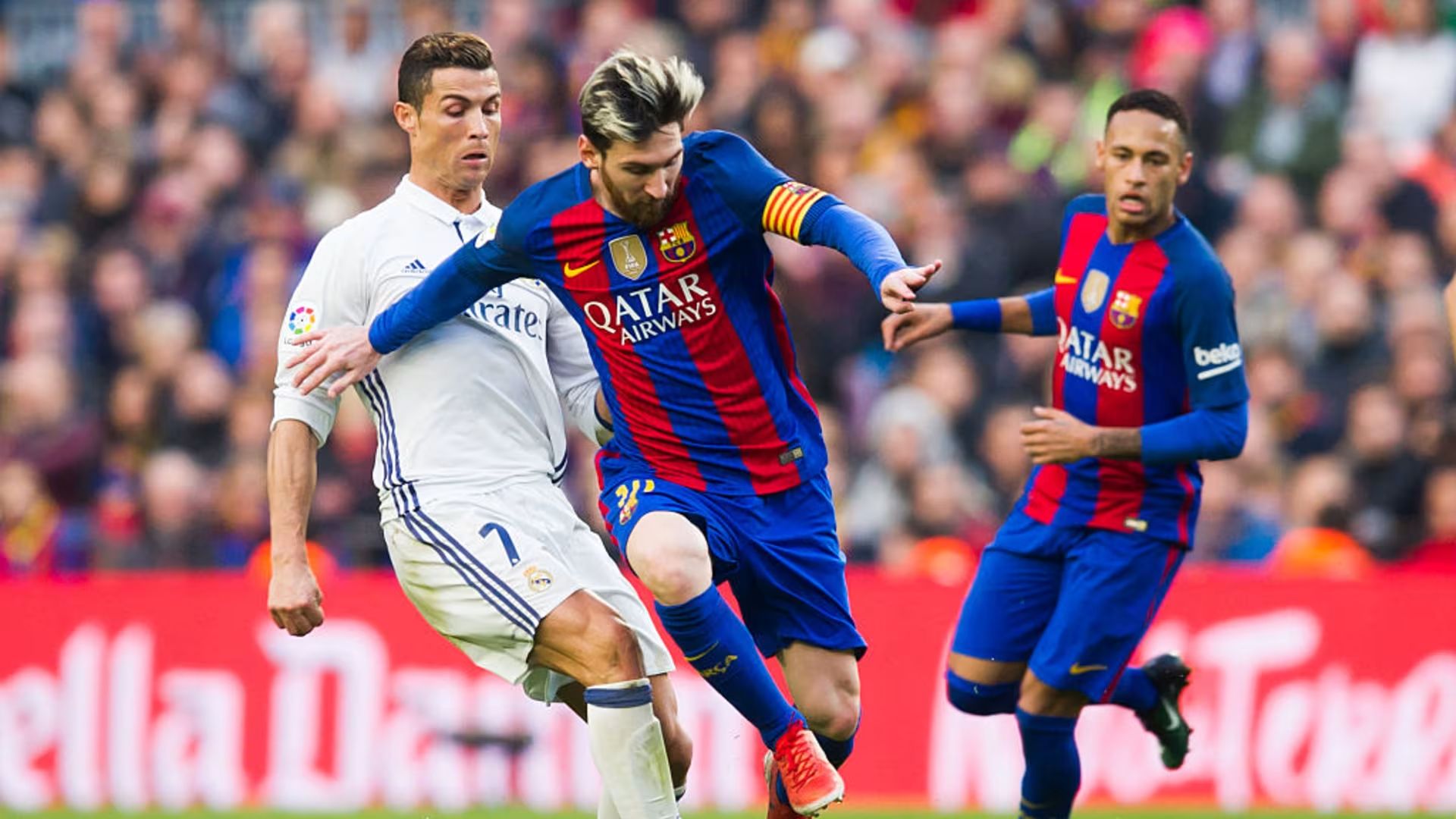
Sports in 2026 are more global and accessible than ever before. Fans no longer depend only on TV broadcasts; instead, live streaming, social media highlights, and interactive apps dominate the experience.
Major tournaments like the FIFA World Cup, Olympic Games, and ICC cricket events continue to attract billions of viewers worldwide. Cricket, especially in countries like Pakistan, India, and England, remains one of the most followed sports globally, with leagues like the IPL and PSL expanding their digital reach.
Athletes are now global influencers. Stars like footballers, cricketers, and basketball players are not only judged by performance but also by their social media presence and brand value.
2. Rise of eSports and Digital Competition
One of the fastest-growing sectors in sports is eSports. Competitive gaming has become a billion-dollar industry with professional teams, sponsorships, and international tournaments.
Games like Fortnite, Valorant, and Call of Duty attract massive global audiences. eSports arenas now fill stadiums, and prize pools rival traditional sports events.
Young audiences are especially drawn to this digital form of competition because it combines entertainment, skill, and community interaction.
3. Streaming Revolution in Entertainment
Entertainment has shifted heavily toward streaming platforms. Traditional cinema and cable TV are no longer the only sources of content.
Platforms like Netflix, Amazon Prime Video, and Disney+ dominate global viewing habits. Audiences now prefer on-demand content, allowing them to watch movies, series, and documentaries anytime.
Short-form content platforms like TikTok and YouTube Shorts are also shaping entertainment consumption, especially among younger generations.
4. Hollywood, Bollywood & Global Cinema Trends
The film industry is becoming more global. Hollywood continues to lead blockbuster productions, while Bollywood and other regional cinemas are gaining international recognition.
There is also a strong trend of cross-cultural collaboration, where actors, directors, and production houses work across borders.
Superhero films, sci-fi stories, and AI-themed movies are especially popular, reflecting society’s growing interest in technology and future worlds.
5. Music Industry Transformation
Music is now more digital and independent than ever. Streaming platforms like Spotify and Apple Music dominate global listening habits.
Artists no longer depend only on record labels; many become famous through social media and independent releases.
Genres are also blending—pop, hip-hop, electronic, and regional music are merging to create global sounds. AI-generated music tools are also starting to influence production and composition.
6. AI and Technology in Entertainment
Artificial intelligence is transforming entertainment production. AI is now used in:
- Script writing
- Video editing
- Music composition
- Visual effects
Virtual influencers and digital celebrities are also becoming popular, especially on social media platforms.
In sports, AI is used for performance analysis, injury prevention, and strategy planning. Teams now rely heavily on data analytics to improve performance.
7. Fan Experience and Immersive Media
The way fans experience sports and entertainment is changing rapidly. Technologies like virtual reality (VR) and augmented reality (AR) are making experiences more immersive.
Fans can now watch matches from virtual stadium seats or interact with live events through digital platforms.
Sports clubs and entertainment companies are also using NFTs, digital collectibles, and fan tokens to increase engagement and revenue.
8. Celebrity Culture and Influencers
Celebrities are no longer limited to film or sports. Social media influencers now play a major role in shaping trends in fashion, lifestyle, and entertainment.
Platforms like Instagram, TikTok, and YouTube have turned ordinary individuals into global stars. Brand endorsements and collaborations are a major source of income for both traditional celebrities and influencers.
Conclusion
Sports and entertainment in 2026 are deeply connected with technology, digital media, and global culture. From AI-driven production to eSports and streaming platforms, the industry is undergoing a massive transformation.
Fans are more connected, content is more accessible, and athletes and artists have more global influence than ever before. The future of sports and entertainment will continue to merge physical and digital experiences, creating a world where engagement is instant, immersive, and global.



Leave a Reply