
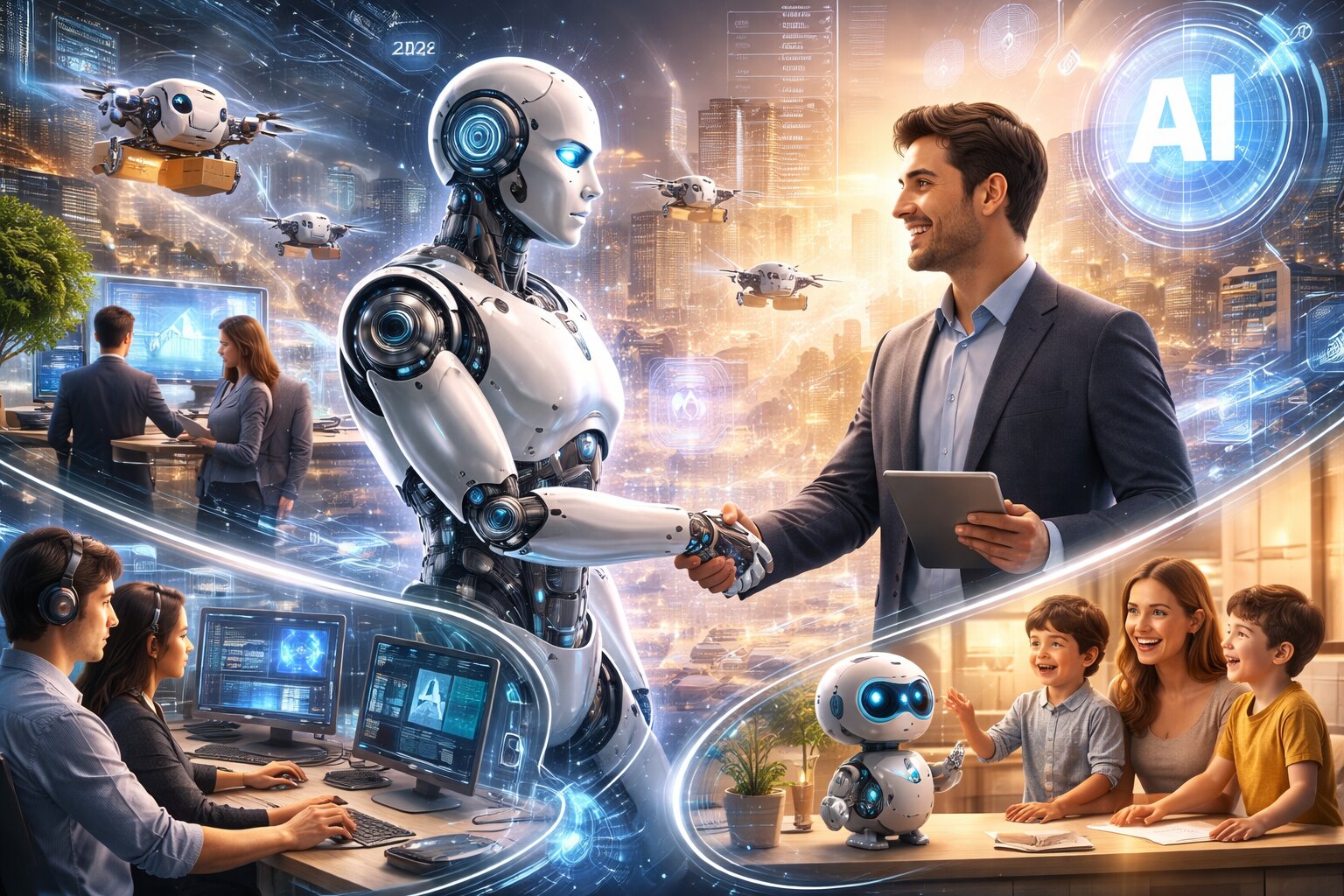
Artificial Intelligence (AI) has become one of the biggest technology trends in the world. From smartphones and businesses to healthcare, entertainment, and education, AI is changing the way people work, communicate, and solve problems. In 2026, the rapid growth of AI tools has made artificial intelligence one of the most searched topics globally.
Unlike earlier technologies that mainly focused on automation, modern AI systems can now create content, analyze large amounts of information, generate images and videos, assist professionals, and help people make faster decisions. This rapid development has created both excitement and questions about the future of technology.
The Rise of AI Tools
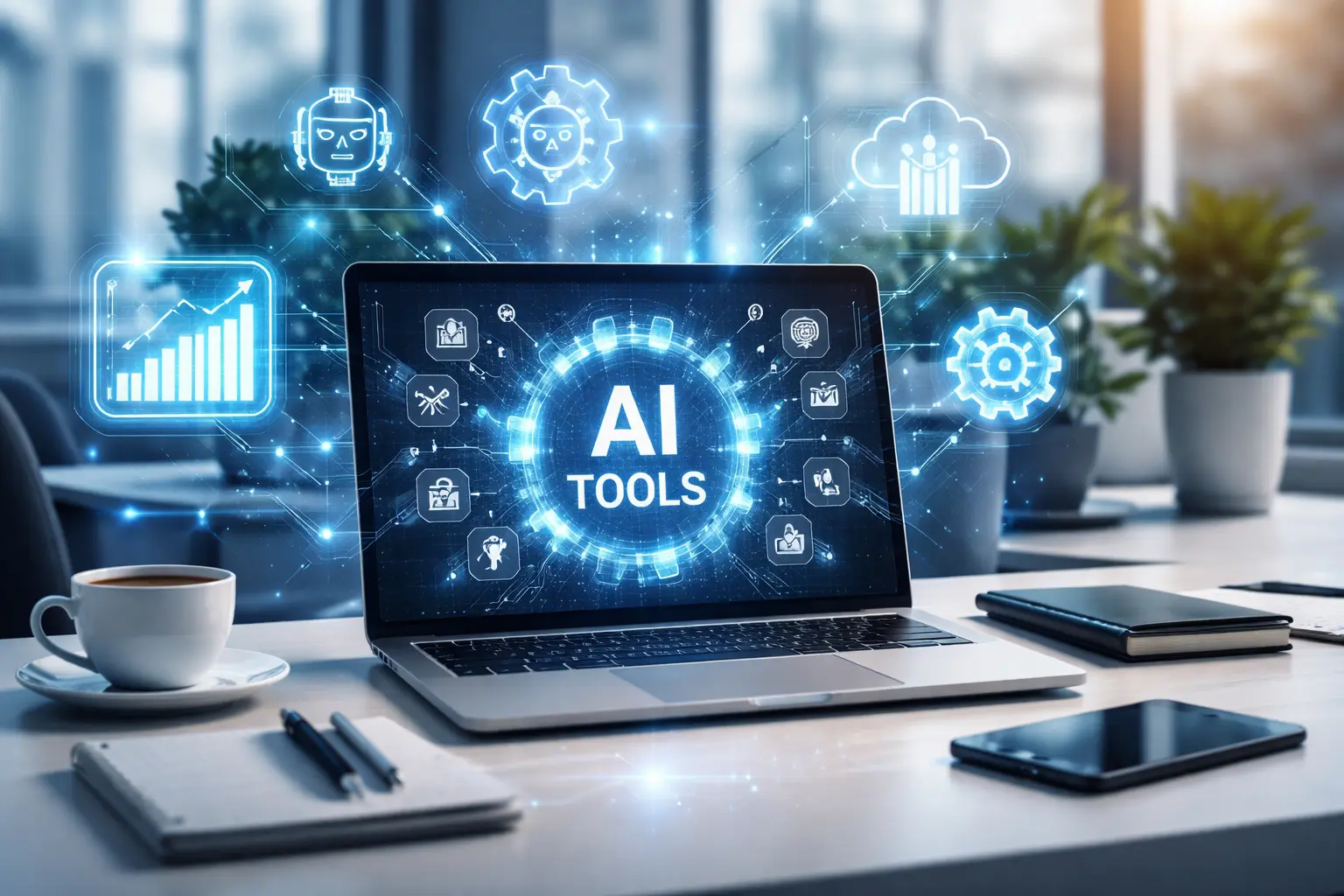
AI-powered tools have become increasingly popular among individuals and companies. People are using AI assistants for writing, research, coding, design, translation, and productivity tasks.
Businesses are adopting AI to improve customer service, analyze data, automate repetitive work, and develop new products. Small companies are also using AI tools to compete with larger organizations by reducing costs and improving efficiency.
The popularity of generative AI has especially grown because these systems can produce human-like text, realistic images, videos, and audio. This has opened new possibilities for creators, marketers, filmmakers, and entrepreneurs.
How AI Is Changing Jobs
One of the biggest discussions surrounding artificial intelligence is its impact on employment. Many industries are exploring how AI can handle repetitive tasks, allowing workers to focus on more creative and strategic responsibilities.
Jobs in fields such as software development, marketing, customer support, finance, and design are already being influenced by AI technology. While some roles may change or become automated, new career opportunities are also emerging in areas like AI development, data analysis, AI safety, and technology management.
Experts believe the future workplace will likely involve humans and AI working together rather than AI completely replacing human workers. Skills such as creativity, critical thinking, communication, and problem-solving are becoming increasingly valuable.
AI in Entertainment and Hollywood
The entertainment industry has become one of the most interesting areas for AI innovation. Film studios, game developers, and content creators are experimenting with AI for visual effects, animation, script development, and digital production.
AI can help filmmakers create realistic environments, improve editing processes, and reduce production time. However, the use of AI in entertainment has also created discussions about copyright, creativity, and the role of human artists.
The future of filmmaking may involve a combination of human storytelling and advanced AI technology.
AI in Everyday Life
For everyday users, AI is becoming part of normal routines. Modern smartphones, search engines, virtual assistants, and recommendation systems all use artificial intelligence.
People are using AI for:
- Learning new skills
- Planning schedules
- Improving productivity
- Translating languages
- Creating digital content
- Managing personal tasks
AI-powered healthcare tools are also helping doctors analyze medical information, improve diagnosis, and develop treatments faster.
The Challenges of Artificial Intelligence
Despite its benefits, AI also creates important challenges. Concerns about privacy, misinformation, cybersecurity, and job disruption have increased as AI becomes more powerful.
Governments and technology companies around the world are working on regulations to ensure AI is developed responsibly. The goal is to encourage innovation while protecting users and maintaining ethical standards.
Another major challenge is ensuring that AI systems are accurate and fair. Developers are focusing on improving transparency and reducing errors in AI decision-making.
The Future of AI
Artificial intelligence is expected to continue growing in the coming years. Future AI systems may become more personalized, powerful, and integrated into daily life.
From smarter homes and advanced robotics to improved healthcare and creative industries, AI has the potential to transform almost every sector.
The biggest question is no longer whether AI will change the world—it is how quickly that change will happen and how society will adapt.
Conclusion
Artificial Intelligence is one of the defining technologies of the modern era. It is changing the way people work, create, and interact with technology. While AI brings challenges that must be carefully managed, its potential to improve lives and create new opportunities is enormous.
As AI continues to evolve in 2026 and beyond, understanding this technology will become increasingly important for individuals, businesses, and communities around the world.







Leave a Reply