Author: admin

  • Importance of Mindfulness for Students

    Importance of Mindfulness for Students

    In today’s fast-paced world, students often feel overwhelmed by expectations, responsibilities, and distractions. Between classes, homework, tests, social life, and future plans, the mind can easily become scattered. Many students find themselves thinking about the past or worrying about the future instead of focusing on the present moment. This is where mindfulness becomes incredibly valuable.

    Mindfulness simply means being fully aware of what is happening right now — your thoughts, feelings, actions, and surroundings — without judgment. It teaches us to live in the present rather than getting lost in stress or worries. For students, mindfulness can become one of the most powerful tools for academic success and emotional wellbeing.

    This article explains why mindfulness is important for students and how they can practice it daily in simple and practical ways.

    1. Mindfulness Improves Focus and Concentration

    A major challenge students face is maintaining concentration. With smartphones, multitasking, and constant notifications, the mind keeps jumping from one thing to another. This reduces the brain’s ability to understand and remember information.

    Mindfulness trains the mind to stay focused on a single task at a time.

    For example, when a student practices mindful reading, they pay attention to:

    • The words on the page
    • The meaning of the text
    • The flow of ideas
    • Their own understanding of the content

    This helps improve comprehension, memory, and learning efficiency.
    A focused mind learns faster than a distracted one.

    2. Mindfulness Reduces Stress and Anxiety

    School pressure, deadlines, exams, and competition can create stress. When stress builds up, the mind becomes restless and the body feels tense. This makes it hard to think clearly or perform well.

    Mindfulness calms the nervous system.
    It teaches the mind to respond to situations instead of reacting emotionally.

    When practiced regularly, mindfulness:

    • Lowers stress hormones
    • Reduces anxiety
    • Helps regulate emotions
    • Creates a feeling of inner peace

    A calm mind is able to make better decisions and remain steady during challenging moments.

    3. Mindfulness Strengthens Emotional Awareness

    Many students struggle with emotions such as:

    • Frustration
    • Fear of failure
    • Anger
    • Sadness
    • Self-doubt

    Ignoring emotions does not make them disappear — it makes them stronger.
    Mindfulness teaches students to observe their emotions without judgment.

    For example:
    Instead of thinking “I am bad at math and will never improve,” a mindful student thinks:
    “I am feeling frustrated at this moment, but it is a temporary state. I can learn with practice.”

    This emotional awareness leads to:

    • More balanced reactions
    • Healthier self-esteem
    • Clearer thinking

    Students learn to understand themselves better, which strengthens emotional resilience.

    4. Mindfulness Improves Memory and Understanding

    When the mind is calm and focused, the brain processes information more efficiently. Mindfulness improves working memory — the ability to remember information while using it.

    This is especially useful in:

    • Problem-solving
    • Taking tests
    • Learning new concepts
    • Participating in discussions

    Students who practice mindfulness often find they:

    • Understand lessons more quickly
    • Retain information longer
    • Perform better in class

    5. Mindfulness Develops Patience and Discipline

    Learning is not always fast. Some subjects take time. Some skills take practice. Mindfulness helps students stay patient with themselves during the learning process.

    It teaches:

    • Learning happens step by step
    • Mistakes are part of growth
    • Progress comes with consistency

    Patience leads to discipline, and discipline leads to success.

    6. Practical Ways Students Can Practice Mindfulness

    Mindfulness does not require special tools, equipment, or a quiet room. It can be practiced anywhere, anytime.

    Here are simple techniques students can use:

    a. Mindful Breathing

    Sit comfortably and take slow, deep breaths.
    Focus only on the sensation of breathing — air entering, lungs expanding, air leaving.

    Do this for 1–3 minutes before studying.

    b. Mindful Studying

    While studying, give full attention to the task.
    If the mind wanders, gently bring it back without frustration.

    Consistency trains focus.

    c. Mindful Walking

    Walk slowly for a few minutes while paying attention to each step.
    This relaxes the body and clears the mind.

    d. Mindful Eating

    When eating, focus on taste, smell, and chewing.
    Avoid using your phone or watching something during meals.

    This strengthens awareness and presence.

    e. Journaling Thoughts

    Write down what you feel at the end of the day.
    This helps release emotional pressure and improve clarity.

    7. Real Example of Mindfulness in School Life

    Imagine two students preparing for exams:

    Student A:

    • Studies with anxiety
    • Thinks about failing
    • Feels pressured and overwhelmed
    • Minds keeps jumping to worries

    They struggle to focus and remember information.

    Student B:

    • Practices mindfulness daily
    • Takes short breathing breaks
    • Studies one task at a time
    • Accepts mistakes calmly

    Their mind remains clear, focused, and steady.
    As a result, Student B learns more effectively and performs better.

    Mindfulness does not remove challenges — it strengthens the ability to handle them.

    8. The Science Behind Mindfulness

    Research in psychology and neuroscience shows that mindfulness:

    • Reduces cortisol (stress hormone)
    • Increases activity in the prefrontal cortex (decision-making area)
    • Strengthens the hippocampus (memory center)
    • Improves emotional regulation

    This means mindfulness physically changes the brain in positive ways.

  • How to Beat Self-Doubt and Study Anxiety

    How to Beat Self-Doubt and Study Anxiety

    Self-doubt is not a sign of weakness. It is a human response to challenges and expectations. But when self-doubt becomes frequent, it begins to limit potential. Students stop trying new things, avoid difficult subjects, and fear making mistakes. Over time, this reduces performance and blocks academic growth.

    The good news is that self-doubt and study anxiety are manageable. With the right mindset and practical actions, students can develop confidence and learn to study without fear.

    This article explains how to identify, understand, and overcome self-doubt and study-related anxiety.

    1. Understanding the Root Causes of Self-Doubt

    Self-doubt often does not come from lack of ability. Instead, it comes from:

    • Comparing yourself to others
    • Fear of making mistakes
    • Pressure to get high marks
    • Negative comments from others
    • Past failures or bad experiences
    • Perfectionism (wanting everything to be perfect)

    Knowing the cause is the first step.
    Because when you understand why you doubt yourself, it becomes easier to address the problem.

    2. Recognize That Everyone Struggles, Even Top Students

    It is easy to believe that others are more confident or naturally intelligent. But the truth is, most students — even high achievers — experience self-doubt.

    The difference is not that confident students never feel afraid.
    The difference is that they act despite the fear.

    Confidence grows from action, not from waiting until you “feel ready.”

    So instead of thinking:

    “I’m not confident enough to start.”

    Try thinking:

    “I will start, even if I feel unsure.”

    Taking small steps builds confidence gradually.

    3. Replace Negative Self-Talk with Encouraging Words

    Self-doubt often comes from our inner voice.
    This voice says things like:

    • “You always mess up.”
    • “You can’t understand this.”
    • “Others are smarter.”

    To overcome self-doubt, the inner voice must change.

    You can practice positive self-talk such as:

    • “I am capable of learning this.”
    • “It is okay to learn slowly.”
    • “Mistakes help me improve.”
    • “My value is not defined by one test.”

    This may feel strange at first, but the brain responds to repeated thoughts.
    Slowly, your self-belief grows stronger.

    4. Study in Small, Manageable Steps

    Anxiety increases when tasks feel too big.

    For example, instead of planning:

    “I will study for 5 hours.”

    Start with:

    “I will study for 25 minutes.”

    This is less overwhelming and easier to begin.
    Use short study sessions, followed by small breaks.
    This helps the brain focus better and prevents stress.

    Small progress is still progress — and consistency matters more than volume.

    5. Create a Study Environment That Supports You

    Your surroundings affect your mental state.

    A cluttered room, noisy environment, or phone distraction increases anxiety and disrupts focus.

    To reduce stress while studying:

    • Keep your desk clean
    • Use comfortable lighting
    • Sit in a quiet area
    • Keep your phone away during study time

    A calm environment supports a calm mind.

    6. Accept That Mistakes Are Part of Learning

    Many students fear failure so much that they avoid challenges.
    However, mistakes are not a sign of weakness — they are a natural part of gaining knowledge.

    Think of learning like training a muscle.
    You cannot grow stronger without effort.
    And effort includes failures, confusion, and trying again.

    Instead of thinking:

    “I failed, so I’m not good.”

    Try:

    “This mistake shows where I need to improve.”

    Shifting perspective reduces anxiety and encourages resilience.

    7. Practice Relaxation Techniques to Calm the Mind

    When anxiety increases, the body reacts physically:

    • Fast heartbeat
    • Sweating
    • Difficulty breathing
    • Feeling overwhelmed

    Calming the body helps calm the mind.

    Simple techniques include:

    Deep Breathing

    Breathe in for 4 seconds → Hold for 2 → Exhale for 6.
    Repeat for 1–2 minutes.

    Slow Stretching

    Relaxes muscle tension.

    Short Walks

    Refreshes your brain and reduces stress hormones.

    These techniques prepare the mind to learn more effectively.

    8. Talk to Someone You Trust

    Self-doubt grows when kept inside.
    Talking to someone — a friend, teacher, or family member — helps release emotional pressure.

    You may discover:

    • You are not alone.
    • Others have faced similar challenges.
    • You are stronger than you think.

    Even sharing your feelings allows the mind to relax and become more balanced.

    9. Focus on Progress, Not Perfection

    Perfection is the biggest enemy of confidence.
    Trying to be perfect creates fear.
    Instead of perfection, aim for improvement.

    Ask yourself:

    • What did I learn today that I didn’t know yesterday?
    • What small step did I take forward?

    Success is built from consistent small efforts — not perfect performance.

    10. Celebrate Achievements, Even Small Ones

    When you finish a chapter, complete homework, or understand something new, celebrate it.
    These moments matter — they prove your growth.
    Recognizing progress builds self-confidence and reduces anxiety.

  • How Gratitude Improves Academic Performance

    How Gratitude Improves Academic Performance

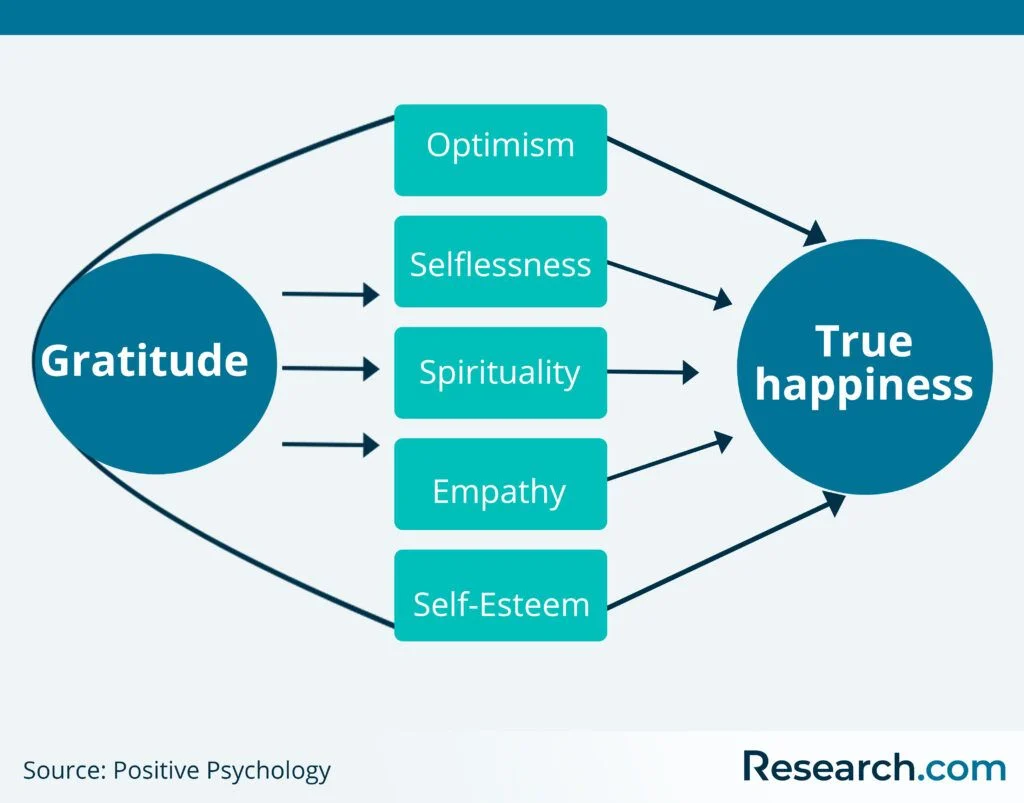
    In the journey of education, students are often told to work harder, stay focused, and keep pushing forward. However, one important factor is frequently overlooked: gratitude. At first, gratitude may seem unrelated to academic success. After all, how can simply being thankful help someone study better or improve grades? But research and real-life experiences show that gratitude has a powerful effect on the mind, emotions, motivation, and overall learning ability.

    Gratitude is more than just saying “thank you.” It is a mindset of recognizing and appreciating the positive aspects of life, no matter how small. When students learn to notice what is going well instead of focusing only on what is missing or stressful, their brain becomes more balanced, calm, and ready to learn.

    In this article, we explore how gratitude helps students improve their academic performance and how to develop this habit in daily life.

    1. Gratitude Reduces Stress and Anxiety

    School life can be stressful. Exams, assignments, peer pressure, and expectations can create constant worry. When a student is stressed, the brain releases stress hormones that make it harder to concentrate, remember information, and solve problems.

    Gratitude works like a natural stress reliever.

    When students practice gratitude, their brains release dopamine and serotonin, the chemicals responsible for happiness and emotional stability. This helps to:

    • Calm the mind
    • Lower anxiety levels
    • Improve emotional control
    • Increase ability to think clearly

    A calm mind learns better than a stressed one.
    So, gratitude directly supports better learning.

    2. Gratitude Increases Motivation and Willingness to Learn

    Many students lose motivation because they focus only on what they have not achieved yet. They compare themselves to others and feel discouraged.

    Gratitude shifts attention to progress rather than shortcomings.

    When students acknowledge small achievements — finishing a chapter, improving handwriting, or understanding a difficult topic — they feel encouraged. This positive feeling motivates them to continue learning.

    Gratitude helps students see effort as valuable, not just results.

    As a result, they develop:

    • Consistency in studying
    • Confidence in their abilities
    • A positive attitude toward challenges

    Motivation becomes internal, not forced.

    3. Gratitude Improves Focus and Attention

    A distracted mind jumps from thought to thought, making study sessions ineffective. Gratitude helps to center the mind.

    When students practice gratitude regularly, the brain becomes less focused on negative thoughts such as:

    • “I might fail.”
    • “This is too hard.”
    • “I’m not good enough.”

    Reducing negative thinking improves concentration. It becomes easier to stay present, listen in class, and understand concepts more clearly.

    4. Gratitude Strengthens Relationships with Teachers and Peers

    Academic success is not just about books — it is also about the environment in which students learn.

    A grateful student:

    • Shows respect to teachers
    • Appreciates classmates
    • Learns to listen and communicate kindly
    • Creates a positive atmosphere around them

    Teachers naturally respond better to students who show appreciation. Classmates become more helpful and supportive.

    A supportive learning environment boosts academic growth.

    5. Gratitude Develops Emotional Resilience

    Every student faces difficulties — low grades, misunderstandings, mistakes, or failures. Gratitude helps students recover faster.

    Instead of thinking, “I failed, so I’m not smart,” a grateful mindset says,
    “I am thankful for what I learned from this experience. I will try again.”

    This mindset reduces fear of failure and encourages continuous improvement.
    Resilient students keep trying until they succeed.

    6. Practical Ways to Practice Gratitude (Simple Daily Habits)

    Gratitude grows stronger with practice. Here are small habits students can adopt:

    a. Gratitude Journal

    Write down 3 things you are grateful for every day.
    They can be small, like:

    • A helpful friend
    • A good meal
    • Understanding a topic in class

    b. Say “Thank You” More Often

    Expressing appreciation strengthens positive relationships.

    c. Appreciate Your Own Effort

    Instead of waiting for praise, acknowledge your progress.

    Example:

    “I studied today even though I was tired — that matters.”

    d. Pause Before Sleeping

    Think of at least one good thing that happened during the day.

    These habits slowly rewire the brain to notice the positive more easily.

    7. Real Classroom Example

    Imagine two students preparing for an exam:

    Student A:

    • Focuses only on difficulty
    • Feels stressed and overwhelmed
    • Believes they are not prepared enough

    Their mind becomes tense, making it harder to concentrate.

    Student B:

    • Practices gratitude
    • Appreciates the opportunity to learn
    • Recognizes past progress
    • Believes challenges help them grow

    This student studies with a calm mind and learns more effectively.

    Same situation — different mindset — different results.

    8. The Science Behind It

    Psychological studies show that gratitude:

    • Enhances memory function
    • Activates the prefrontal cortex (responsible for planning and decision-making)
    • Reduces cortisol (stress hormone)

    This means gratitude is not just emotional — it is scientifically beneficial for learning.

  • How to Stay Consistent with Your Goals

    How to Stay Consistent with Your Goals

    Setting goals is easy. Anyone can say, “I want to get better grades,” “I want to study regularly,” or “I want to wake up early.” But staying consistent with those goals is the real challenge. Many students start strong for a few days, but then motivation fades, distractions return, and old habits take control again. It can feel frustrating — almost like something is wrong with you.

    But here’s the truth:
    Nothing is wrong with you.
    Consistency is a skill that must be learned and practiced, just like any other skill. And once you understand how to build consistency, your goals become easier to achieve, whether they are related to studying, health, confidence, or personal growth.

    Let’s break down what it truly takes to stay consistent, in a practical, real, and encouraging way.

    1. Start with Clear and Realistic Goals

    A goal should be something specific and realistic — not vague.

    For example:

    • Instead of: “I will study a lot.”
      Say: “I will study math for 25 minutes every day.”
    • Instead of: “I will read more books.”
      Say: “I will read 5 pages before bed each night.”

    Clear goals are easier to follow because your brain knows exactly what to do.
    Vague goals create confusion and stress.

    2. Break Big Goals into Small Steps

    Students often give up because they try to do too much at one time.

    Example:
    If your goal is to improve English,
    do not try to study grammar, vocabulary, speaking, and writing in one day.

    Break it down:

    • Day 1: Learn 5 new words
    • Day 2: Watch a 10-minute English video
    • Day 3: Practice speaking for 5 minutes

    Small steps may seem slow, but they are powerful.
    Small steps done consistently = big progress over time.

    3. Make the First Step So Easy That You Can’t Avoid It

    If your goal feels heavy, your mind will resist.

    So make the first step simple:

    • Want to study daily? → Study 10 minutes only.
    • Want to read daily? → Read 2 pages only.
    • Want to exercise? → Start with 5 minutes only.

    Once you start, motivation grows naturally.

    Consistency is not about doing a lot.
    Consistency is about showing up, even a little.

    4. Build a Routine, Not Just Motivation

    Motivation comes and goes.
    But routine stays.

    For example:
    If you decide to study every day at 7 PM, your brain gets used to it.
    Over time, studying feels less like a task and more like a habit.

    Make your study routine simple:

    • Same time every day
    • Same place
    • Same materials ready

    Your brain loves patterns.
    Use that to your advantage.

    5. Reduce Distractions — They Break Consistency Fast

    You cannot focus if your environment constantly distracts you.

    So when studying:

    • Keep your phone in another room or turn off notifications
    • Clean your study desk
    • Avoid switching between tasks

    Distraction steals your attention quietly, one moment at a time.

    Protect your focus like it is valuable — because it is.

    6. Track Your Progress — It Motivates You to Continue

    When you track your progress, you see your growth. That feeling is powerful.

    You can use:

    • A notebook
    • A calendar
    • A habit tracker app

    Whenever you complete your daily goal, mark it.

    Watching your progress build day by day makes you want to keep going.

    This is called the “Don’t Break the Chain” method.
    If you study today, mark it.
    Study tomorrow, mark it.
    Soon you will have a long chain — and you won’t want to break it.

    7. Accept Bad Days — Don’t Quit Because of One Missed Day

    This is where most students fail.

    They miss one day and say:

    “I ruined everything. I’ll start next week.”

    No.

    Missing one day doesn’t break consistency — quitting does.

    When you miss a day:

    • Don’t feel guilty
    • Don’t give up
    • Simply start again the next day

    Consistency is not about never falling.
    It is about always getting back up.

    8. Reward Yourself for Small Wins

    Your brain loves rewards.
    They make habits stronger.

    These can be simple rewards:

    • After studying, watch your favorite show
    • After completing homework, listen to music
    • After a good week, treat yourself to something you enjoy

    Rewards create positive emotion, and positive emotion builds consistency.

    9. Surround Yourself with People Who Want You to Succeed

    Your environment influences your habits.

    Being around people who are lazy, negative, or unmotivated makes it harder to stay consistent.

    Try to spend more time with:

    • Friends who study seriously
    • People who encourage you
    • Family members who support your goals

    If you don’t have such people around, that’s okay.
    You can be your own support system.

    10. Remember Why You Started

    Every goal has a reason behind it.

    Maybe you want:

    • Better marks
    • More confidence
    • A stronger future
    • Proud parents
    • A career you love

    Write your reason somewhere visible:

    • On your notebook cover
    • On your desk
    • On your wall

    When motivation drops, your why will give you strength.

  • Morning Routines of Successful Students

    Morning Routines of Successful Students

    The way you start your morning shapes the rest of your day. If you wake up rushing, feeling stressed and tired, your day will feel chaotic. But if you wake up with a clear routine, calm mind, and positive energy, everything becomes easier — studying, concentration, confidence, and even memory.

    Let’s explore how successful students start their mornings and how you can build your own routine in a way that works for your life.

    1. Wake Up Early Enough to Avoid Rushing

    Successful students don’t jump out of bed at the last minute. They wake up a little earlier so they have time to prepare their mind and body.

    This does not mean waking up at 4 AM.
    It simply means waking up on time, without rushing.

    Why does this matter?

    • Rushing causes stress.
    • Stress makes your mind confused.
    • A confused mind cannot learn well.

    Even waking up 20–30 minutes earlier than usual can make a big difference.

    2. Avoid Checking Your Phone First Thing

    Most students reach for their phone as soon as they wake up. They check:

    • Social media
    • Messages
    • Notifications
    • Videos

    This immediately fills your mind with noise and distraction. Your brain doesn’t get time to wake up peacefully.

    A healthier way:

    • Do not touch your phone for the first 20–30 minutes after waking up.

    Instead, start your morning with peace, not pressure.

    3. Drink Water and Eat a Light, Healthy Breakfast

    Your brain needs energy.
    When you sleep, your body becomes dehydrated.
    A glass of water in the morning helps you feel awake and refreshed.

    After that, eat something light and nutritious.
    Good morning foods include:

    • Eggs
    • Fruit
    • Milk or tea
    • Whole-grain bread or oatmeal
    • Nuts or peanut butter

    Skipping breakfast makes you feel tired, distracted, and slow during class.

    4. Move Your Body — Even a Little Helps

    You do not have to do a full workout. Even 5–10 minutes of light movement can improve your mood and brain power.

    Try:

    • Stretching
    • A slow walk
    • Yoga
    • Light exercise

    Movement increases blood flow to your brain.
    A healthier brain = better focus, faster learning, and stronger memory.

    5. Review Your Plan for the Day

    Before starting schoolwork, look at what tasks you need to do today.
    This keeps your mind clear and organized.

    Your plan can include:

    • Class schedule
    • Homework assignments
    • Study topics for the evening
    • Any personal goals

    You can keep your plan in:

    • A notebook
    • A planner
    • A digital app

    When you know your tasks, your day feels more under control.

    6. Spend a Few Minutes in Quiet Reflection

    Reflection means taking a moment to simply be still.

    You can:

    • Sit quietly
    • Take deep breaths
    • Pray
    • Practice mindfulness
    • Repeat positive thoughts

    This calms your mind and reduces stress.

    Try repeating phrases like:

    • “I can learn something new today.”
    • “I am improving every day.”
    • “I am capable and I believe in myself.”

    Your mindset shapes your success more than you realize.

    7. Start Your Studies with Something You Can Handle

    If you begin your study day with the hardest subject, you might feel stressed early.
    Start with something you are comfortable with to warm up your brain.

    Example:

    • Review yesterday’s notes
    • Read for 10 minutes
    • Do a simple math exercise

    Once your brain is “awake,” move to harder subjects with more confidence.

    8. Keep Your Study Space Clean and Calm

    Your environment affects your focus.
    Successful students prepare their study space in the morning:

    • Keep your table clean
    • Arrange your books
    • Keep water nearby
    • Remove unnecessary items

    A clean space = a clear mind.

    Why Morning Routines Matter

    A good morning routine:

    • Reduces stress
    • Improves memory
    • Strengthens concentration
    • Boosts confidence
    • Helps you stay consistent with studies

    It turns learning into something smooth and manageable, instead of heavy or overwhelming.

    Sample Morning Routine for Students

    Here’s a simple routine you can try (adjust to your schedule):

    TimeActivity
    Wake up6:30 AM
    Drink water6:32 AM
    Light stretching6:40 AM
    Wash face & get ready6:50 AM
    Eat breakfast7:00 AM
    Review today’s goals or notes7:20 AM
    School or study timeStarts

    Even small changes make a big difference when done daily.

  • What to Do When You Fail an Exam

    What to Do When You Fail an Exam

    Failing an exam can feel heavy. It can make your heart sink, your motivation drop, and your mind fill with questions like “Am I not smart enough?” “What will others think?” “What do I do now?” Almost every student has faced this feeling at least once. And even though failure hurts, it does not mean the end of your journey. It does not define your intelligence or your future. Failing an exam is simply a sign that something in your learning strategy needs to change — not that you are a failure.

    Let’s take a deep breath and talk about what to do next. Here is a step-by-step guide to turning a failure into a comeback.

    1. Allow Yourself to Feel Disappointed — It’s Normal

    When you get a low score or fail a test, it’s normal to feel upset. Don’t pretend everything is okay. Don’t force yourself to “get over it” instantly.
    Take a little time to:

    Talk to someone you trust — a sibling, parent, or friend. Sometimes simply expressing your feelings lightens the load.

    Just remember: This feeling is temporary. It will pass.

    2. Don’t Label Yourself Based on a Result

    One exam cannot measure:

    • Your intelligence
    • Your creativity
    • Your potential
    • Your value
    • Your future success

    Many great people in history failed exams:

    • Thomas Edison failed multiple tests.
    • Einstein struggled in school.
    • Jack Ma got rejected from 30+ job applications.

    Yet they succeeded because they kept trying.

    So instead of saying:

    “I failed the exam, so I am a failure,”

    Say:

    “I failed the exam. I will work on improving myself.”

    One result cannot define your future.

    3. Review What Went Wrong — But Do It Calmly

    After your emotions settle, look back and analyze:

    • Did you study regularly or only before the exam?
    • Did you memorize instead of understanding?
    • Were there distractions like phone, games, or noise?
    • Did you sleep well before the exam?
    • Did you manage your time properly during the test?

    Understanding the cause is powerful because this is where change begins.

    Write down your mistakes.
    Seeing them clearly makes improvement easier.

    4. Ask for Help — You Don’t Have to Do It Alone

    Sometimes all you need is a bit of guidance.

    You can ask:

    • A teacher → to explain concepts more clearly
    • A classmate → to help you practice
    • A tutor → to support in difficult subjects
    • A parent → to help organize your study routine

    Asking for help does not mean weakness.
    It means you are strong enough to choose growth.

    5. Make a New Study Plan — A Better One

    Failing an exam is usually a sign that your study method wasn’t effective.

    Here’s how to fix that:

    Break your study time into daily short sessions.

    Studying 30 minutes every day is better than studying 5 hours only before exams.

    Use active learning:

    • Explain the topic in your own words
    • Teach someone else
    • Create flashcards
    • Take small quizzes
    • Write summaries

    Solve past exam papers.

    This improves confidence and speed.

    Study harder topics first.

    Don’t avoid them — face them early.

    6. Remove Distractions While Studying

    Phones, social media, and noise steal attention.
    Keep your phone away during study time or use apps that block distractions.

    Study in a quiet, clean space.
    Even 30 minutes of focused study is more powerful than 2 hours of distracted study.

    7. Take Care of Your Mental and Physical Health

    When we are tired, stressed, or sleep-deprived, learning becomes harder.

    So:

    • Sleep at least 7–8 hours
    • Drink enough water
    • Avoid skipping breakfast
    • Take small breaks while studying

    A healthy mind learns faster.

    8. Don’t Be Afraid to Try Again

    One failure is not the end.
    It is a checkpoint, not a full stop.

    Great students are made through:

    • Patience
    • Practice
    • Persistence

    When you try again — with better habits — you not only pass the exam, you grow stronger as a person.
    9. Use Failure as Motivation, Not as a Scar

    Failure can do one of two things:

    • It can pull you down
    • Or it can push you forward

    The choice is yours.

    Instead of thinking:

    “I couldn’t do it.”

    Think:

    “I will do better next time, and this time I know where to start.”

    Let failure teach you, not defeat you.

    10. Appreciate Yourself for Not Giving Up

    The fact that you are reading this and thinking about improving means you are already stronger than failure.
    Many people give up — but you are choosing to rise.

    Small effort today becomes big success tomorrow.

  • How to Stay Safe While Learning Online

    How to Stay Safe While Learning Online

    In today’s world, online learning has become a normal part of education. Students attend virtual classes, complete homework using digital tools, and search for information on the internet every day. Learning online is convenient and flexible. You can study from home, learn at your own pace, and explore topics that may not even be available in your school. However, just like the real world, the online world has risks. Not every website is safe, not every message is trustworthy, and not every person online has good intentions. That is why online safety is extremely important for every student.

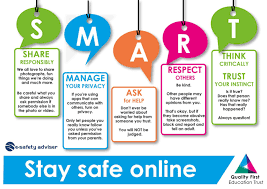
    Staying safe online is not difficult. You just need to understand some smart habits that keep your information private and your experience positive. Let’s break it down step-by-step so that learning online becomes safe, enjoyable, and stress-free.

    1. Be Careful About Sharing Personal Information

    One of the biggest mistakes students make is sharing too much online. For example:

    • Full name
    • Home address
    • School name
    • Phone number
    • Photos and personal videos

    Sharing these details can make you a target for scammers or strangers. The rule is simple:
    If you would not tell something to a person you just met in real life, do not share it online.

    Even when you sign up for apps or websites, double-check why they need your data. If something feels unnecessary or suspicious, avoid it.

    2. Use Strong Passwords and Keep Them Private

    Your password is like the key to your digital world. Never use simple passwords like:

    • 12345
    • your name
    • your birthdate

    Instead, create strong passwords using a mix of:

    • Uppercase letters (A, B, C…)
    • Lowercase letters (a, b, c…)
    • Numbers (1, 2, 3…)
    • Symbols (! @ # $ %)

    For example:
    TreeHouse!92 is much safer than treehouse or 123456.

    Also:

    • Do not share passwords with friends.
    • If your device allows, use two-factor authentication for extra security.

    3. Think Before You Click Any Link

    Sometimes websites look attractive or offer something “for free.” But these could be scams.
    A single click on the wrong link can:

    • Install a virus
    • Steal your data
    • Lock your device

    So before clicking:

    • Check the website name
    • Avoid pop-up ads
    • Ignore random download buttons

    If a link feels suspicious or looks too good to be true, just skip it.

    4. Learn to Recognize Fake Information

    The internet is full of helpful knowledge — but also full of misinformation. Some websites spread wrong facts on purpose.

    To check reliability:

    • Search the same information on different websites
    • Prefer educational, government, or library-based websites
    • Ask teachers if something doesn’t seem right

    Being a student means not just collecting information, but learning how to evaluate it.

    5. Be Kind and Respectful During Online Classes

    Online spaces are also real spaces.
    What you say online affects real people.

    So:

    • Do not tease or bully classmates in chats
    • Do not share screenshots of private conversations
    • Do not interrupt during class sessions

    Respect builds a positive environment for everyone.

    6. Protect Your Device

    Your device is your learning tool. Keep it safe by:

    • Installing antivirus software
    • Updating your system regularly
    • Avoiding illegal downloads
    • Not connecting to unknown public Wi-Fi networks when possible

    A protected device helps protect your data too.

    7. Take Breaks to Protect Your Mental Health

    Online learning can make you stare at the screen for long hours. This leads to:

    • Headaches
    • Eye strain
    • Fatigue
    • Stress

    Practice the 20-20-20 rule:
    Every 20 minutes, look at something 20 feet away for at least 20 seconds.

    Take short breaks to move around, stretch, and drink water.
    A healthy mind learns better.

    8. Report Anything That Makes You Uncomfortable

    If someone online:

    • Asks for personal photos
    • Uses inappropriate language
    • Tries to meet in person
    • Threatens or pressures you

    Tell a trusted adult immediately.

    You do not need to deal with that alone.

  • How to Build Confidence as a Student

    How to Build Confidence as a Student

    Confidence is one of the biggest factors that shapes your success as a student. When you’re confident, you speak up in class, try new challenges, and trust your ability to learn. When your confidence is low, even simple tasks can feel scary. You might hesitate to raise your hand, avoid group discussions, or doubt yourself during tests. The truth is, confidence isn’t something some people are born with and others are not. It is something you build over time. Just like a muscle, the more you use it, the stronger it becomes.

    Let’s talk in a natural, real way about how to build that confidence step by step — without pressure, without comparing yourself to others, and without pretending to be someone you’re not.

    1. Understand That Confidence is Built Through Action

    Many students think confidence comes before trying something new.
    But in reality, confidence comes after trying, even if you’re not perfect at first.

    Think of learning to ride a bicycle.
    The first time, you were unsure. You were scared. You probably fell.
    But you kept going — and confidence grew.

    It works the same way with:

    • Speaking in class
    • Solving math problems
    • Making presentations
    • Asking questions

    Confidence grows by doing — not by thinking about doing.

    2. Start Small and Take One Step at a Time

    You don’t need to change everything at once.
    Choose one small thing to work on:

    Examples:

    • Raise your hand to answer just one question per day.
    • Study for 10 extra minutes.
    • Speak one sentence louder than usual.

    These small wins add up.
    Success comes from consistent small steps, not giant leaps.

    3. Stop Comparing Yourself to Others

    Comparison is one of the biggest confidence killers.

    There will always be someone:

    • Who learns faster
    • Who speaks more fluently
    • Who scores higher
    • Who appears more confident

    But here’s the truth:
    Everyone struggles with something — even the students who look confident.

    Your journey is your own.
    Focus on improving compared to yourself, not others.

    4. Recognize Your Strengths

    Confidence doesn’t mean being good at everything.
    Confidence means knowing what you are good at.

    Maybe you are:

    • Good at drawing
    • Good at listening to others
    • Good at remembering stories
    • Good at sports
    • Good at helping people
    • Good at organizing
    • Good at creativity and ideas

    Write down your strengths on paper.
    Seeing them makes you realize you already have value.

    5. Prepare — Confidence Loves Preparation

    When you understand a topic well, speaking becomes easier.

    To build strong preparation:

    • Review lessons daily, even for 10 minutes.
    • Make simple notes.
    • Teach the topic to someone else — even a younger sibling.

    Teaching something is one of the most powerful ways to learn.

    When you know your material, confidence naturally increases.

    6. Practice Positive Self-Talk

    Your mind listens to your words.
    If you keep telling yourself:

    • “I can’t do this.”
    • “I am not smart enough.”
    • “Everyone else is better than me.”

    Your mind will believe it.

    Replace those thoughts with:

    • “I’m learning.”
    • “I can improve.”
    • “Mistakes help me grow.”
    • “I deserve to learn and succeed.”

    Speak to yourself the way you would speak to a friend who needs encouragement.

    7. Learn to Accept Mistakes — They Are Part of Learning

    Mistakes are not failures.
    They are signals showing you where to improve.

    Every great student, leader, speaker, or achiever has made mistakes — again and again.

    If you make a mistake:

    • Take a breath
    • Analyze what went wrong
    • Try again with a better understanding

    You don’t lose when you fall.
    You lose when you refuse to get back up.

    8. Surround Yourself with Supportive People

    Confidence grows in a positive environment.

    Choose friends who:

    • Encourage you
    • Inspire you
    • Celebrate your progress
    • Make you feel safe speaking

    Stay away from:

    • People who mock you
    • People who discourage you
    • People who always compete with you

    Your environment influences your confidence more than you think.

    9. Practice Speaking — Even If It’s With Yourself

    If speaking in class feels scary, start practicing alone.

    You can:

    • Talk to yourself in the mirror
    • Record your voice and listen to it
    • Practice reading aloud daily

    Bit by bit, your voice becomes stronger and clearer.

    When the moment comes to speak in front of others, your mind will already know the feeling.

    10. Celebrate Your Progress — Even Small Wins

    Did you answer one question in class today?
    Celebrate it.

    Did you study when you didn’t feel like it?
    Celebrate it.

    Did you try something new?
    Celebrate it.

    The more you acknowledge progress, the more motivated and confident you become.

    Confidence grows through kindness to yourself.

  • Online vs Traditional Education – Which Is Better?

    Online vs Traditional Education – Which Is Better?

    Education has changed a lot in recent years. With the internet becoming a major part of daily life, many students now study online instead of attending physical classrooms. This raises an important question: Is online education better than traditional classroom education, or vice versa?

    To understand this, we need to compare both methods.

    Traditional Education

    This is the system most of us are familiar with. Students sit in classrooms, listen to teachers, interact with classmates, and follow a fixed schedule.

    Advantages

    Disadvantages

    • Students learn at the same pace, even if they need more time
    • Travel time is required
    • Classes may sometimes feel too strict or repetitive

    Online Education

    Online education happens through digital platforms such as Zoom, Google Classroom, or YouTube lessons.

    Advantages

    • Learn from anywhere
    • Study at your own pace
    • Access to global teachers and courses
    • Flexible schedule

    Disadvantages

    • Requires strong self-discipline
    • Less face-to-face interaction
    • Screen time can be high
    • Internet access is necessary

    Which One Is Better?

    The answer depends on the student’s needs.

    If a student needs:Better Option
    Structure & disciplineTraditional
    Flexibility & independenceOnline
    Social developmentTraditional
    Self-paced learningOnline
    Hands-on practiceTraditional
    Access to resourcesOnline

    In many cases, the best solution is a mix of both, known as Blended Learning.

    Conclusion

    Both online and traditional education have unique strengths. Instead of asking which is better, we should ask which one suits a student’s personality and goals. The future of education may combine the best of both worlds to create a flexible, interactive, and balanced learning environment.

  • Virtual Reality in Classrooms – What’s Next?

    Virtual Reality in Classrooms – What’s Next?

    Education is constantly evolving. Just like books were replaced by computers and projectors, now a new technology is entering classrooms: Virtual Reality (VR). Virtual Reality allows students to experience the world in a completely different way. Instead of just reading about the solar system, students can travel through planets using VR headsets. Instead of looking at pictures of ancient Egypt, students can walk inside the pyramids.

    VR has the power to transform the classroom into an interactive world of exploration.

    How VR Works in Education

    Virtual Reality uses a special headset that covers the eyes and creates a 3D illusion. The student feels like they are inside the scene. VR also allows movement, sound, and interaction, making learning more realistic and memorable.

    Benefits of VR in Classrooms

    1. Better Understanding

    When students see things instead of only reading about them, they understand faster.

    2. Increased Engagement

    VR makes learning exciting. Students stay focused and interested.

    3. Safe Experiments

    Dangerous science experiments can be simulated safely in VR.

    4. Field Trips Without Travel

    Students can visit:

    • Space stations
    • Oceans
    • Historical monuments
    • Laboratories
      without leaving the classroom.

    Subjects VR Can Improve

    SubjectHow VR Helps
    ScienceView molecules, planets, ecosystems in 3D
    HistoryExperience ancient civilizations
    GeographyExplore countries and landscapes
    MedicinePractice surgeries safely
    EngineeringVisualize structures and machines

    Challenges of VR in Education

    • VR equipment can be expensive
    • Teachers need training to use it
    • Some students may feel motion sickness

    However, technology is improving, and costs are slowly decreasing.

    The Future of VR in Classrooms

    The future will include:

    • VR classrooms where students attend lessons from anywhere
    • Virtual science labs for experiments
    • AI-guided virtual tutors

    Education will become more interactive, global, and practical.

    Conclusion

    VR is not just a fun gadget. It is a powerful educational tool. It brings lessons to life and allows students to learn through experience. The future of learning will be more immersive, visual, and exciting—with Virtual Reality leading the way.