Author: admin

  • How to Stay Motivated to Learn New Things

    How to Stay Motivated to Learn New Things

    Learning sounds exciting in theory. New skills, new ideas, new worlds. But in real life—between work, distractions, bills, and a hundred mini-crises—it’s hard. You start a course with good intentions and, two weeks later, you’ve forgotten the password. It’s normal. Motivation fades. The trick is figuring out how to keep it alive long enough for new knowledge to stick.

    Let’s dig into how to actually stay motivated to learn new things, not just dream about it.

    Curiosity Is the Real Spark

    People think motivation is about discipline or willpower. That matters, yes. But curiosity is the real engine. When you’re genuinely curious, learning feels playful. You want to poke around, explore, ask questions.

    Think about a kid who keeps asking “why?” They’re not doing it for grades or career points—they just want to know. That’s a powerful mindset. Adults lose it under pressure and expectations. But you can get it back by following your interests, not forcing skills you don’t care about.

    So first question: Why do you want to learn this? What pulls you toward it?
    Even a tiny spark is enough.

    Break the Mountain Into Pebbles

    One of the biggest killers of motivation is overwhelm. You see the whole mountain—like “learn Spanish fluently”—and instantly feel small. Too big. Too far. So you quit.

    Break the mountain into tiny, realistic chunks. Ten new words. One sentence. One tiny conversation with yourself in the mirror (it’s fine, everyone does it).

    Small wins create momentum. Momentum creates motivation.

    This is called the “progress principle.” Your brain rewards tiny progress with dopamine, giving you a warm “hey, I can do this” feeling. It’s addictive—in a good way.

    Make It Part of Your Identity

    Learning sticks better when it becomes part of who you are, not just something on a to-do list.

    Instead of thinking,

    “I’m trying to learn guitar,”
    try,
    “I’m the kind of person who practices music daily.”

    That tiny shift matters. Identity fuels consistency.

    Researchers found that when people view habits as part of their identity (e.g., “I’m a runner”), they’re more likely to stick with them—not because of external rewards, but because quitting would feel like lying to themselves.

    Connect Learning to Something Real

    Abstract goals don’t motivate. Concrete ones do.

    “I want to learn to code” is vague.
    “I want to learn to build an app that helps me track my workouts” is real.

    Think about how your new skill fits into your life:

    • Can it help you solve a problem?
    • Can it enrich a hobby?
    • Can it apply to something you already enjoy?

    When you connect learning to something personally meaningful, it becomes much easier to stay engaged.

    Create a Routine (But Keep It Flexible)

    Routines help, but strict routines you can’t maintain become guilt traps. Better to create a loose pattern—15 minutes during lunch, 20 minutes before bed.

    Consistency matters more than intensity.

    Tiny sessions add up. In his book, Atomic Habits, James Clear talks about showing up even briefly to create identity and structure. Five minutes of practice still reinforces your learner identity.

    And if you miss a day? Don’t panic. Just return. Missing once doesn’t break momentum. Quitting does.

    Make It Enjoyable (Not Punishment)

    Learning shouldn’t feel like dragging a bag of bricks uphill. Fun is underrated. If you dread the process, you won’t continue.

    Gamify it:

    • Use challenges
    • Track streaks
    • Reward yourself
    • Share progress publicly
    • Join others learning the same thing

    Even silly motivation helps—like stickers on a chart. Adults still love stickers; we just pretend we don’t.

    Try different formats: video lessons, podcasts, books, conversations, practice in the wild. Experiment until it feels less like work.

    Use Social Accountability

    Humans are wired for connection and feedback. If you tell someone what you’re working on—or better, work together—you’re more likely to stick with it.

    Study groups. Online forums. Language exchange partners. Group classes. Even telling a friend, “Ask me about my progress next week,” helps keep you conscious.

    Accountability isn’t about pressure. It’s about feeling seen. Supported.

    Track Your Progress

    A lot of people feel like they’re not improving, even when they are. It’s because progress is incremental. Quiet. Easy to miss. Tracking helps your brain see what your memory forgets.

    You can:

    • Journal what you learned each day
    • Take weekly notes
    • Test yourself
    • Record practice sessions
    • Repeat old lessons to feel the difference

    When you see proof of improvement—however small—you stay motivated.

    Accept Imperfection (Seriously)

    Perfectionism is the enemy of learning. If you’re afraid of being bad at something, you’ll never start. But, honestly, being bad is the beginning of every skill. No one wakes up speaking perfect French or playing jazz piano flawlessly. We all stumble. Mumble. Look goofy.

    You don’t have to be great. You only have to be okay… and keep going. That’s where growth lives.

    Reward Yourself

    Rewards work. They tell your brain, “This activity leads to good feelings,” reinforcing the habit. The reward doesn’t have to be huge—coffee, a snack, break time, whatever.

    You don’t get a trophy for every study session. So give yourself your own.

    Remember Your Why

    Motivation fades. That’s normal. But your “why” keeps going—your purpose, where you’re heading.

    Write it down. Stick it on your wall. When energy dips (it will), return to your why. Sometimes that reminder is enough to get you moving again.

    Conclusion

    Staying motivated to learn new things isn’t magic. It’s a blend of curiosity, intention, structure, and kindness toward yourself. Focus on small wins. Make learning meaningful and fun. Track progress. Ask for support. And remember: motivation doesn’t appear first. Action does. You start. Then motivation grows as a response to progress, not the other way around.

    Just begin. A few minutes today. Then tomorrow. Then again. Over time, those tiny steps turn into something surprisingly big.

    And who knows—maybe you’ll wake up one day realizing you’ve become exactly the person you hoped you’d be: someone who never stops learning.

  • Why Emotional Intelligence Is More Important Than IQ

    Why Emotional Intelligence Is More Important Than IQ

    For more than a century, IQ—Intelligence Quotient—has been treated like the golden ticket. High IQ meant you were smarter, maybe destined for success, better jobs, leadership… blah blah. But somewhere along the way, people started noticing that high-IQ folks weren’t always the ones who thrived. Sometimes, the person with average IQ and great people skills rose higher. That’s where emotional intelligence enters the chat.

    Emotional intelligence—EI or EQ—describes the ability to understand and manage your own emotions, as well as recognize and respond to the emotions of others. And honestly, it’s a game-changer. In many ways, more powerful than raw cognitive horsepower.

    Let’s unpack why.

    IQ Isn’t the Whole Story

    IQ measures logical reasoning, math ability, language, spatial skills. Good stuff. Essential, even. But life is not a puzzle worksheet. You deal with people. Stress. Complications. Fears. Relationships. Uncertainty.

    IQ doesn’t help you calm someone during a crisis.
    IQ doesn’t prepare you to resolve conflict at work.
    IQ doesn’t teach you to empathize.

    That’s where emotional intelligence steps in—filling a gap that pure intellect leaves wide open.

    You probably know someone brilliant but impossible to work with. Or someone average academically, but wonderful to be around—and they just… succeed. They motivate others. They handle chaos. They create trust. That’s EQ in action.

    What Is Emotional Intelligence, Exactly?

    Researchers break emotional intelligence into five main parts (though different models exist):

    1. Self-awareness
      Knowing your emotions—what you feel, why you feel it.
    2. Self-regulation
      Managing your impulses, staying calm, thinking before acting.
    3. Motivation
      Setting goals and sticking with them even when things go sideways.
    4. Empathy
      Understanding how others feel. Seeing life through their eyes.
    5. Social skills
      Communicating well, building relationships, handling conflict.

    These skills work together like gears. When they align, relationships improve, stress drops, decisions sharpen. You navigate life more smoothly.

    The Science Behind EQ

    Our brains have two major players here:

    • The amygdala—emotional processing, fight-or-flight.
    • The prefrontal cortex—logic, planning, decision-making.

    Emotional intelligence is partly about balance—quieting the amygdala long enough for the prefrontal cortex to take the wheel. A stressful moment can trigger emotional reactions before clear thinking kicks in. People with strong EQ can interrupt that pattern. They pause. Process. Choose how to respond rather than simply react.

    This is not fluff. Neuroscience backs it.

    Also, EQ is trainable. Even adults can improve emotional skills through mindfulness, reflection, therapy, feedback… the list goes on. IQ, on the other hand, is largely fixed.

    Why EQ Matters More in Real Life

    1. Better Relationships Everywhere

    Friends, partners, colleagues—they all respond better when they feel heard. People with high EQ communicate clearly, resolve disagreements with less drama, and build deeper trust. It’s easier to like them. Which sounds superficial, but relationships are currency in life.

    2. Career Success

    Weirdly, emotional intelligence often predicts workplace success better than IQ alone. Leaders especially need EQ—your job is humans, not spreadsheets. You guide, encourage, negotiate, adapt. Studies have found that top executives tend to score higher in emotional intelligence than in raw cognitive ability.

    A brilliant boss who can’t engage their team? Useless.

    3. Resilience & Stress Management

    Life throws curveballs. Emotional intelligence helps you handle pressure without falling apart. People with high EQ regulate themselves, avoid spiraling, stay focused. They’re more resilient, plain and simple.

    4. Decision-Making

    We assume logic makes decisions. Often, emotions play a huge role. Good EQ helps you interpret emotional signals rather than ignore or be controlled by them. That leads to wiser choices—especially under uncertainty.

    EQ and Leadership

    Leadership isn’t about being the smartest person in the room. It’s about elevating the room. A leader with strong EQ reads people—motivations, anxieties, strengths—and responds effectively. They create psychological safety, which makes teams more creative and productive.

    That alone is a superpower.

    Think of teachers, nurses, managers, counselors—EQ defines their success more than IQ ever could.

    Can You Improve Emotional Intelligence?

    Absolutely. Unlike IQ, EQ is flexible. Your brain can develop new emotional habits. It’s not overnight work, but doable.

    A few ways:

    • Reflect daily: Ask yourself what emotions you felt and why.
    • Pause before reacting: Even a two-second breath helps.
    • Listen more: Not just hearing—really paying attention.
    • Seek feedback: Sometimes others see what you can’t.
    • Practice empathy: Put yourself in others’ shoes.

    Pretty simple tools, but powerful.

    Misunderstandings About EQ

    Some people assume EQ means being soft or overly emotional. Nope. It’s not about crying more or avoiding conflict. It’s about identifying emotions and using them wisely. EQ helps you confront issues without losing control. You can be firm and compassionate at once.

    Others think EQ is a personality trait. It’s not. Introverts can have high EQ. Extroverts can have low EQ. It’s more about emotional skill than type.

    IQ Still Matters—Just Not Alone

    This isn’t about dunking on IQ. Logical abilities are important. They predict academic success and problem-solving ability. But without emotional intelligence, they only go so far. Think of IQ as horsepower and EQ as steering. You need both to drive well.

    And if you had to choose only one? Most experts say EQ wins. Because most of what makes life meaningful—relationships, purpose, empathy, connection—lives in the emotional world.

    Conclusion

    Emotional intelligence doesn’t replace intelligence. It completes it. The ability to understand yourself, navigate emotions, read others, build relationships—these skills define how you work, love, lead, and handle life.

    High IQ might get you into the room.
    High EQ determines what happens once you’re there.

    And the best part? EQ can grow. Anyone can learn it. Start small. Pay attention to emotions—yours and others’. Listen more. React slower. Practice empathy. Bit by bit, you train your emotional muscles.

    Honestly, that’s where the real power is.

  • How to Train Your Brain for Better Memory

    How to Train Your Brain for Better Memory

    Memory can feel slippery sometimes. You learn a name, and it’s gone five minutes later. Or you walk into the kitchen and suddenly—wait, why am I here? It’s frustrating, a little embarrassing. But the truth is, memory isn’t fixed. The brain isn’t a box with limited storage. It’s alive, constantly reorganizing and adapting. Which means you can train it. Strengthen it. Even rebuild it in ways most people don’t realize.

    Let’s dive into the science and the everyday strategies that actually work.

    Your Brain Is Always Changing

    First—something important. The brain is plastic. Not literally (yeah, obvious), but in a biological sense. It can rewire itself, grow new neural pathways, prune old ones. Scientists call this neuroplasticity. When you practice a skill or absorb new information, neurons fire together and form stronger bonds. The more you repeat, the easier that memory becomes to retrieve. “Neurons that fire together wire together”—simple phrase, huge meaning.

    And this isn’t just for kids. Adults can form new neural pathways, too. Older adults as well. The lifelong ability to learn and remember is built right into us.

    Why Memory Fades

    Before building memory, it’s helpful to know why it slips away. Some forgetting is normal. The brain prunes unused data to save energy—kind of like cleaning a cluttered desktop. But certain habits make recall harder:

    • chronic stress
    • lack of sleep
    • poor nutrition
    • multitasking
    • low emotional connection

    These don’t “kill” memory, but they definitely make it harder to store and retrieve.

    Step 1: Improve Attention First

    Memory begins with attention. You can’t remember what you never really noticed.

    If you’re listening to someone talk while scrolling your phone, you’ll process almost nothing deeply. Modern life trains us to multitask, but real learning is single-tasked. Focused.

    Try this:
    For one conversation a day, listen fully. No phone. No thinking ahead to your reply. Just be there. You’ll be surprised how much more sticks.

    Sometimes simply telling yourself, “Pay attention,” is enough to prime your brain to encode information.

    Step 2: Use Spaced Repetition

    Cramming feels like progress—until everything slips away a day later. The brain needs time to consolidate memory. This is why spaced repetition works.

    It’s the idea that you should revisit information after increasing intervals:
    Day 1 → Day 2 → Day 4 → Day 7 → Day 14 → etc.

    Each review strengthens the memory trace. Think of it like stamping deeper grooves into a record so the music plays clearer each time.

    Flashcards help. Re-writing information helps. Teaching someone else works even better.

    Step 3: Turn Information Into Emotion

    Emotion is the brain’s “save” button. Seriously. When something feels meaningful—funny, scary, exciting—the brain flags it as important. That’s why we remember breakups and vacations but forget the 30 random emails we read.

    So to remember facts, make them emotional. Silly even. Associate names with images. Turn details into stories. The weirder, the better.

    Need to memorize groceries? Picture a carrot riding a skateboard. Eggs doing ballet. Sounds dumb. It works.

    Step 4: Use Multiple Senses

    The more senses involved, the more memory pathways you create. Reading is good. Saying it out loud? Better. Drawing it? Even better. Writing by hand lights up many more brain regions than typing because it forces slower processing.

    So if you really need to remember something, do it with your eyes, ears, and hands.

    Some people use doodles. Others record voice notes and play them back. There’s no “right” way—just more pathways.

    Step 5: Exercise Your Body to Exercise Your Brain

    Movement increases blood flow to the brain, delivering oxygen and nutrients it needs to build new connections. Even a 20-minute walk can boost recall. Aerobic exercise is especially powerful because it increases BDNF (Brain-Derived Neurotrophic Factor), a molecule that supports neuron growth.

    Think of BDNF like fertilizer for your brain.

    You don’t need gym memberships or fancy apps. Just walk. Maybe dance. Jump rope. Move however you enjoy.

    Step 6: Sleep—The Silent Memory Builder

    Sleep is where memories get stitched together. Short-term bits are transferred into long-term storage. Without enough sleep, you can study or repeat something all day and still not retain it.

    Deep sleep solidifies facts and procedures; dreaming (REM) helps integrate creative connections.

    So yes—“sleeping on it” is actually a neuroscience trick.

    Aim for 7–9 hours. Keep your sleeping schedule consistent. Your brain loves routine.

    Step 7: Reduce Stress, a Little at a Time

    Stress chemicals—especially cortisol—disrupt memory formation. That’s why in high-pressure moments, your brain blanks out. Chronic stress shrinks the hippocampus, the memory center.

    You don’t have to become a monk. Just pick small changes:

    • breathing exercises
    • short walks
    • journaling
    • music
    • talking with a friend

    Even lowering stress 10–15% helps memory bounce back.

    Step 8: Feed Your Brain

    Certain nutrients support memory, including omega-3s, choline, and antioxidants. Foods like:

    • salmon
    • eggs
    • blueberries
    • walnuts
    • green tea
    • leafy greens

    Water matters too. Even mild dehydration affects focus and recall.

    Not magic—just fuel.

    Step 9: Challenge Your Brain

    Memories grow when we use them. So do new skills. The brain loves novelty and hates boredom.

    Pick something that challenges you. Learning a language, an instrument, chess, gardening—whatever. Difficult tasks build more pathways.

    Even simple things like taking a different route to work, switching hands while brushing your teeth, or talking to new people can spark new connections.

    Small things. Big results.

    Conclusion

    Memory isn’t fixed—or doomed. You can train it like a muscle. Slowly, daily. Focus helps. Sleep helps. Emotion helps. Movement helps. Little, consistent habits reshape the brain over time.

    Think of your brain like a garden. When you nurture it—feed it well, rest it, challenge it, give it novelty—it grows. New pathways. New strengths. More clarity.

    Training your brain isn’t about perfection. It’s repetition, curiosity, and a little patience. And honestly, that’s something anyone can do.

  • How to Learn Any Skill Faster

    How to Learn Any Skill Faster

    Let’s be real. We all want to learn new skills quickly, right? Whether it’s picking up a new language, learning guitar, coding, or cooking — rushing through the process isn’t the goal, but improving the speed and efficiency? Definitely. But truthfully, most people don’t know where to start or how to accelerate their learning. Well, here’s the thing — there are proven methods, tricks, and mindset shifts that can make you learn faster, smarter, not harder.

    So, how do you do it? Well, let’s break it down.

    1. Set clear, specific goals.

    First thing’s first. Be clear about what you wanna achieve. No vague “I wanna get better at guitar.” Instead, say “I wanna learn to play three songs and strum basic chords within a month.” Specific goals give you direction. They also help you focus on what really matters, instead of wasting time trying to learn everything at once.

    Also, break big goals into smaller, manageable chunks. Like, mastering a skill is a mountain. Climbing? Take it step by step. Celebrate tiny wins along the way. That keeps you motivated and moving faster.

    2. Find the right learning resources.

    Not all lessons are created equal. Skipping ahead or choosing the wrong material slows you down. Do some research. Look for expert tutorials, trusted courses, or experienced mentors. Sometimes, a good book or a well-made YouTube channel can save you tons of time compared to getting lost in endless trial-and-error.

    And don’t just consume passively. Actively engage — take notes, pause videos, do practice exercises. Immersion helps accelerate understanding.

    3. Practice deliberately.

    This is big. Simply doing the skill repeatedly? Not enough. You need deliberate practice. What’s that? It’s focused, intentional effort on your weak spots. For example, instead of just playing guitar aimlessly, identify tricky chords or riffs and drill those until you improve.

    Tips? Set aside focused blocks of time. Pause frequently, analyze your mistakes, and correct them immediately. It’s about quality over quantity. Fast learners don’t just mindlessly go through the motions; they hone in on what needs improvement.

    4. Use the Feynman Technique.

    Ever heard of explaining things to someone else? That’s a secret weapon. If you can teach a concept or skill in simple terms, it means you truly understand it. When you hit a wall — trying to learn a complex concept — try to explain it to a friend (or even to yourself). If you stumble, that’s a cue to review and clarify.

    This technique not only deepens your understanding but also speeds up the learning curve because teaching forces you to organize your knowledge clearly.

    5. Space out your learning sessions.

    Cramming isn’t just ineffective, it’s counterproductive. Instead, space your practice sessions over days or weeks—this is called spaced repetition. Your brain needs time to consolidate info and skills.

    For example, instead of doing a 4-hour marathon study session, do 30-minute sessions over a couple of weeks. The forgetting curve flattens, and retention skyrockets. Plus, taking regular breaks keeps you fresh and prevents burnout.

    6. Embrace failure and learn from mistakes.

    Nobody becomes an expert overnight. You’ll mess up. You’ll forget steps. That’s part of the process. Instead of getting frustrated, use mistakes as virtual tutors. Analyze why you messed up, adjust your approach, and try again. It’s faster to learn from errors than to avoid them altogether.

    The mindset of “failure is feedback” speeds up progress. Remember, every mistake gets you closer to mastery.

    7. Stay consistent, not perfect.

    Perfectionism kills speed. Better to do a little every day than to cram sporadically. Consistency beats intensity. Even if you only practice 15-30 minutes daily, that adds up — faster than long, infrequent sessions.

    Also, make learning a habit. Set routines — morning practice, evening review. Over time, it turns into second nature, and you’ll learn faster because your brain is always in “learning mode.”

    8. Use visualization and mental rehearsal.

    Ever imagined yourself playing a song perfectly or coding a website? That works. Mental rehearsal activates similar brain regions as actual practice. It’s like priming your neural circuits before doing the real thing.

    Spend a few minutes visualizing success, feeling the movements or steps. This primes your brain to perform better and faster during actual practice.

  • The Science Behind How We Learn

    The Science Behind How We Learn

    Learning looks simple from the outside. You read something. You practice it. You remember it (hopefully). But under the surface? It’s a whole universe—neurons firing, molecules forming, knowledge shaping the structure of your brain. Scientists have spent decades—centuries really—trying to figure out how we learn, why we forget, and what makes information “stick.” The answers are fascinating, sometimes messy, and still evolving.

    Let’s break it down.

    Neurons: The Micro-Machinery of LearningEverything starts with neurons. There are roughly 86 billion of them in the brain—tiny electrical cells that communicate through chemical signals. When you learn something new, like a word in another language or how to throw a baseball, neurons form new connections. These connections, synapses, strengthen or weaken depending on how often they’re used.

    It’s a little like a path through a forest. Walk it once, and the grass springs back. Walk it every day, it gets clearer and easier. Stop using it? Slowly, the forest retakes it. This is the biological core of learning: synaptic plasticity—the brain’s ability to change and adapt.

    And the wild part? Your brain is constantly rewiring. Even right now. It never stops, even when you’re older. So the old myth that adults can’t learn new skills—total nonsense.

    Encoding, Storage, Retrieval—The Memory System

    Learning and memory are intertwined. You can’t learn without remembering. Scientists often describe three stages:

    1. Encoding

    This is when information first enters your mind. Maybe you’re listening to someone talk or reading text. The way you pay attention matters a lot here. If you’re distracted? The encoding is weak. That’s why multitasking feels productive but rarely works.

    2. Storage

    Once encoded, information gets stored in short-term or long-term memory. Short-term memory is brief—seconds, maybe minutes. Long-term memory can last months or decades. Emotion makes storage stronger. That’s why you remember where you were during a major life event but forget where you put your keys yesterday.

    3. Retrieval

    Retrieving information is the act of remembering. And here’s something surprising: every time you recall a memory, you slightly alter it. Memory isn’t a photograph; it’s more like a painting that you touch up each time.

    Different Types of Memory

    Not all memory is the same. We store different information in different systems:

    • Declarative (explicit): facts, names, dates
    • Procedural (implicit): skills like riding a bike
    • Working memory: short-term mental space

    Learning to do something—say, shuffling cards—is stored differently than remembering the name of your first teacher. The brain compartmentalizes knowledge, organizing it like files so we can access what we need quickly.

    Learning and Emotion

    Emotion is learning’s secret accelerator. Strong feelings activate the amygdala, which tells the brain: “Hey, this matters—save it.” This is why emotionally charged moments create intense and lasting memories.

    Unfortunately, the brain treats negative emotion and stress as important signals, too. That’s why traumatic events stick so deeply. This connection between emotion and memory can help us learn, but it can also bring baggage.

    Repetition, Spacing & Forgetting

    Repetition strengthens learning. But not all repetition is equal. Scientists found that spaced repetition—reviewing information over increasing intervals—works far better than cramming.

    Cramming feels productive. But it trickles away fast. Spacing creates stronger neural networks, giving your brain time to reorganize and reinforce memory.

    The flip side is forgetting. It’s not a failure—it’s actually useful. The brain saves energy by clearing unused connections. Forgetting helps us focus on what’s important. A kind of natural pruning.

    The Role of Sleep

    Sleep might be one of the most underrated learning tools. While you sleep, your brain strengthens new memories and cleans out irrelevant junk. It’s like hitting “save” after a day of experience.

    The deepest stages of sleep consolidate motor skills, while REM sleep helps with creative problem-solving. A rested brain solves puzzles better than a tired one. That’s why “sleeping on it” really works.

    Learning Styles: Myth vs. Reality

    You’ve probably heard of learning styles—visual, auditory, kinesthetic. Sounds intuitive. Turns out, the research doesn’t support it. People may prefer certain methods, but matching teaching style to those preferences doesn’t translate into better learning outcomes.

    What works?
    Combining multiple modes—seeing, doing, explaining to others. The more pathways used, the better the learning.

    Active Learning Beats Passive Learning

    Reading a page isn’t enough. Neither is listening. You need to engage. The brain remembers what it struggles with, not what it skims.

    Some powerful strategies:

    • Summarizing what you learned
    • Teaching someone else
    • Testing yourself (even when you’re unsure)
    • Applying knowledge to real scenarios

    This is why practice tests improve learning even without studying more material. Retrieval itself builds memory.

    How Environment Shapes Learning

    Context matters. A noisy environment makes encoding harder. Poor nutrition, stress, and lack of physical activity all weaken cognitive ability. Movement improves blood flow, which improves learning. Even lighting and temperature play roles. The brain is biological before anything else—it needs care.

    Conclusion

    Learning isn’t magic. It’s biology plus environment, emotion, and practice. Neurons fire, sleep consolidates, repetition strengthens. We remember the meaningful and forget the noise. The brain molds itself constantly—every moment.

    There’s no secret trick. But there are principles: focus, emotion, spaced repetition, practice. And maybe some humility. We’re always learning. Always changing. The brain is never finished.

    And honestly, that’s pretty incredible.

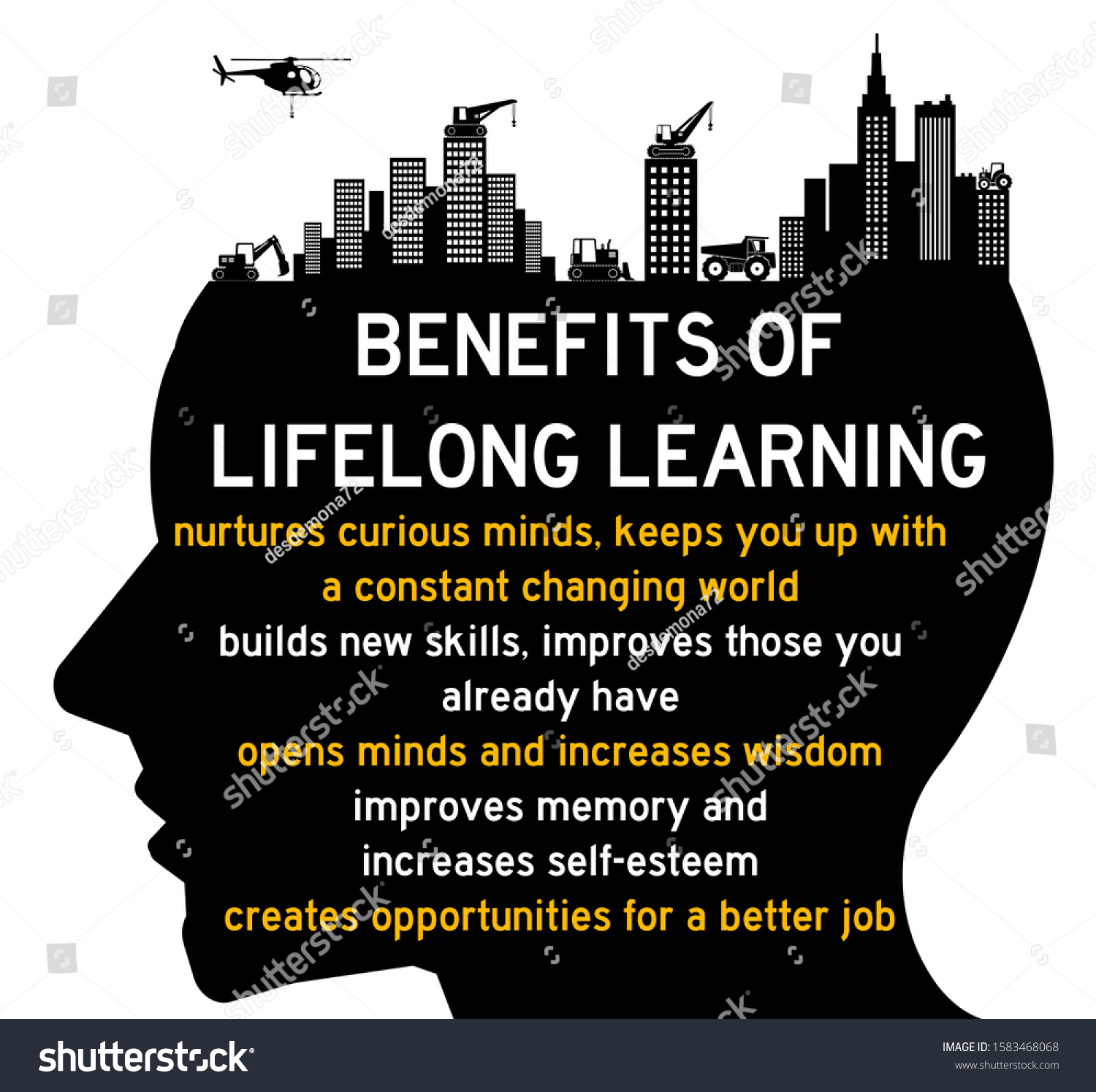
  • The Benefits of Lifelong Learning

    The Benefits of Lifelong Learning

    You know, the world’s changing fast. Like, really fast. What was relevant ten years ago is probably outdated now. That’s where lifelong learning comes in. It’s about never really stopping the process of learning, no matter your age, background, or where you’re at in life. Sounds simple? Sure. But trust me, it’s a game-changer. And not just for career growth — for your mental health, your confidence, and even your happiness.

    Why bother? Well, first off, it keeps your brain active.

    Think about muscles — if you don’t use ‘em, they start to weaken. Same with your brain. Keeping your mind engaged by learning new things — new skills, new perspectives, new knowledge — helps preserve cognitive function. You don’t want to wake up one day and realize you’re not as sharp as you used to be, right? Lifelong learning helps delay cognitive decline, and studies have shown it even reduces the risk of dementia.

    Plus, it’s stimulating. Learning challenges your brain and keeps boredom at bay. That feeling of “I’ve got this” when you master something new? Yeah, that’s confidence boosting too.

    It’s not just about the brain, though.

    Lifelong learning makes you more adaptable. In today’s job market, change is the only constant. Skills that were hot five years ago? May be completely obsolete now. New technologies, new ways of working, new trends pop up all the time. If you’re stuck doing the same thing, with the same outdated knowledge, you’re likely to get left behind. But if you keep learning, you can adapt, switch gears, even reinvent yourself.

    Seriously, think about those people who lost their jobs due to automation or market shifts. Many of them bounce back because they stayed curious, learned new skills, and didn’t let fear stop them from evolving. That’s the power of continuous learning.

    Beyond the work stuff… there’s personal growth.

    When you make learning a lifelong habit, it’s like opening the door to new worlds. More books, new languages, different cultures, new hobbies. It opens your mind and makes you more tolerant, empathetic. You start realizing that there’s always more to discover — about yourself and others.

    For example, picking up a new language challenges your brain in ways that boost memory and multitasking. Learning about different cultures broadens your perspective. It makes you less judgmental, more understanding. These qualities are invaluable, especially in today’s interconnected world.


    It also boosts your confidence and sense of purpose.

    Ever felt stuck in a rut? Like, doing the same day over and over? Learning something new can shake things up. It reminds you that you’re capable of growth — no matter how old you are. Quitting is easy, but pushing yourself to learn keeps you motivated. It builds resilience, patience, and persistence.

    Plus, mastering a new skill or achieving a goal gives a real sense of accomplishment. It fuels your sense of purpose. Whether it’s learning to cook, coding, or playing a musical instrument, those little successes keep you motivated and feeling alive.

    And let’s not forget social benefits.

    Engaging in new courses, workshops, or hobby groups connects you with like-minded people. Building a learning community, even online, creates social bonds. That’s important because humans are social creatures. These connections can help reduce loneliness and boost mental well-being.

    Think about those adult learning classes or community workshops. You not only gain knowledge but also create friendships, develop communication skills, and feel part of something bigger.

    Now, I get it — life is busy.

    Work, family, responsibilities — doesn’t leave much room for extra stuff. But lifelong learning isn’t about you dedicating hours daily. It’s about small, consistent steps. Listening to podcasts during your commute, reading a few pages before bed, taking online courses at your own pace. It’s flexible and adaptable.

    The key is curiosity. Stay curious about the world, about yourself. Keep asking questions. Read, explore, experiment. Over time, these small habits compound into a vast fountain of knowledge and self-improvement.

    In the end, it’s about thriving, not just surviving.

    It’s easy to fall into a routine, especially when life gets hectic. But the truth is, learning keeps your mind and life vibrant. It pushes you to grow, to evolve, and to better handle whatever life throws at you. It’s about taking control of your own development — forever.

    So yeah, lifelong learning is a mindset, a way of life. It’s about embracing the idea that you’re never truly done growing. And honestly? It makes the

  • Top 10 Books Every Student Should Read

    Top 10 Books Every Student Should Read

    When it comes to growing as a person, expanding your mind, and preparing for the future, books are pretty much your best friends. But with so many out there, it’s hard to know where to start. So I’ve put together a list of the top 10 books every student should read at some point. These aren’t just boring textbooks or dry classics — they’re eye-opening, inspiring, sometimes challenging, but always worth your time.

    1. To Kill a Mockingbird by Harper Lee

    This novel is a classic for a reason. It’s about innocence, morality, and justice in a small Southern town. The story’s told through Scout, a young girl, as her father, Atticus Finch, defends a black man unjustly accused of a crime. It’s a powerful story about empathy, prejudice, and standing up for what’s right. Reading it as a student helps you understand complex social issues and see the world from different perspectives.

    2. 1984 by George Orwell

    Big Brother is watching — a phrase that’s become part of daily language, thanks to Orwell. This dystopian novel explores themes of surveillance, government control, and personal freedom. It feels especially relevant today, with technology making privacy a rare commodity. For students, 1984 is more than just a story; it’s a warning about the importance of free thought and the dangers of authoritarianism.

    3. The Alchemist by Paulo Coelho

    A bit more philosophical, this one’s about following your dreams and listening to your heart. It’s an easy read but deep in meaning. Santiago’s journey — searching for treasure and, ultimately, discovering himself — resonates with anyone trying to find their purpose in life. It encourages students to trust their instincts and embrace their personal legend, whatever that may be.

    4. The Great Gatsby by F. Scott Fitzgerald

    Here’s a glimpse into the roaring twenties — jazz, champagne, and the elusive American Dream. Gatsby’s story is about ambition, love, and the pursuit of happiness, but also about illusion and disillusionment. This book helps students understand the complexities of success and the emptiness that sometimes accompanies material wealth. It’s beautifully written, poetic even, and forces you to question what’s truly valuable.

    5. Sapiens: A Brief History of Humankind by Yuval Noah Harari

    Not exactly a novel, but a fascinating nonfiction read that every student should digest. It covers the entire history of human beings — from ancient species to modern societies. Harari’s writing is engaging and full of insights about how we got where we are today. It’s eye-opening for understanding ourselves and the world around us, and it sparks a lot of questions about the future of humankind.

    6. The Diary of a Young Girl by Anne Frank

    This is a real, raw account of a young Jewish girl hiding from the Nazis during World War II. Her diary is intense, heartbreaking, but also filled with hope and resilience. It’s an important reminder of the horrors of intolerance and the strength of the human spirit. For students, it’s a powerful lesson on empathy, history, and the importance of standing against injustice.

    7. Pride and Prejudice by Jane Austen

    A classic romance, but more than that. It’s about society, class, manners, and the importance of personal integrity. Elizabeth Bennet is smart, witty, and ahead of her time, challenging stereotypes and norms. For students, it’s a great introduction to classic literature and timeless themes about love, pride, and understanding.

    8. Thinking, Fast and Slow by Daniel Kahneman

    Okay, this one’s a bit more technical, but it’s super valuable. It dives into how our brains work — the fast, intuitive thought process vs. the slow, deliberate reasoning. Understanding this can help students make better decisions, think more critically, and avoid common mental pitfalls. It’s a must-read for anyone who wants to sharpen their thinking skills and understand human behavior.

    9. The Lord of the Rings by J.R.R. Tolkien

    More than just Hobbit stories, this epic fantasy is about courage, friendship, and good versus evil. It’s a journey, literally and metaphorically, that rewards patience and perseverance. For students, it’s a great way to learn about storytelling, creativity, and enduring hope.

    10. Quiet: The Power of Introverts in a World That Can’t Stop Talking by Susan Cain

    This one challenges the loud, extrovert-centric world we live in. It’s about valuing silence, reflection, and deep thinking — qualities often associated with introverts. For students, especially those who feel overshadowed or misunderstood,

  • How to Develop a Daily Reading Habit

    How to Develop a Daily Reading Habit

    There’s something almost magical about reading. The way a few quiet pages can take you somewhere else — another time, another life, another idea you never thought about before. But in a world filled with endless scrolling, buzzing phones, and short attention spans, reading has started to feel like a lost art.

    Still, it doesn’t have to be that way. You can bring it back into your life. Slowly, quietly, one page at a time. Developing a daily reading habit isn’t about forcing yourself into discipline. It’s about rediscovering the joy of learning, reflection, and imagination. And yes, it takes effort — but the rewards last a lifetime.

    1. Start Small — Really Small

    One of the biggest mistakes people make is trying to do too much at once. They’ll say, “I’m going to read for an hour every day!” or “I’ll finish a book a week!” It sounds good in theory, but when life gets busy — as it always does — the habit crumbles.

    Start smaller than you think you need to. Five minutes a day. Maybe just a few pages before bed. Even one paragraph counts in the beginning. What matters most is consistency, not quantity. When your brain gets used to that quiet reading rhythm, it’ll start craving it — the same way you might crave coffee in the morning.

    Over time, those five minutes will naturally stretch into fifteen, then thirty. That’s how real habits form — not through force, but through gentle repetition.

    2. Choose Books You Actually Enjoy

    This might sound obvious, but too many people forget it. They pick up “important” books they think they should read — classics, heavy nonfiction, or things that sound impressive. Then they get bored halfway through and blame themselves for not being disciplined enough.

    But reading isn’t supposed to be punishment. It’s curiosity, emotion, adventure. If thrillers excite you, read thrillers. If you like biographies, go for it. If you want to read comics or poetry — do it. The point is to build a habit first. Once that’s strong, you can expand your taste and challenge yourself with more complex works later.

    Let reading feel fun again. That’s where the spark begins.

    3. Make Reading Easy to Access

    Our environment shapes our habits more than we realize. If your book is buried in a drawer or your Kindle is never charged, you’re less likely to reach for it. So make reading convenient.

    Leave a book on your nightstand. Keep an eBook on your phone for when you’re waiting in line or on a commute. Even a short article saved in your browser can become a mini reading session.

    Sometimes, it’s not about having more time — it’s about reducing the friction. The easier it is to start, the more often you’ll do it.

    4. Create a Reading Routine

    Habits stick better when they’re tied to something else you already do. This is called “habit stacking.” For example:

    • Read for 10 minutes after your morning coffee.
    • Read a chapter before bed instead of scrolling social media.
    • Read during your lunch break instead of checking emails.

    Over time, your brain starts linking that daily cue — coffee, bed, lunch — with reading. It becomes automatic, like brushing your teeth or tying your shoes.

    Also, try to read at the same time each day. It doesn’t have to be perfect. Even a loose routine makes it easier to stay consistent.

    5. Limit Distractions (Especially Screens)

    Let’s be honest — our phones are the biggest enemy of focus. Notifications, messages, endless feeds… they make it nearly impossible to sit still with a book.

    So try this: when you read, keep your phone out of reach. Not face down on the table — actually out of the room if possible. Let your mind breathe.

    At first, you’ll probably feel restless. Your brain will itch for that little dopamine hit from checking something online. But if you push through those first few minutes, a calm focus will settle in. That’s the feeling readers fall in love with — being completely absorbed in a story or an idea.

    It’s worth fighting for.

    6. Track Your Progress (But Lightly)

    Some people find it motivating to track their reading. You don’t have to turn it into a competition — this isn’t about bragging rights. But keeping a small journal, list, or app where you note what you’ve read can feel satisfying.

    It reminds you that you’re growing — that those few pages each day are adding up to something bigger.

    Even better, jot down a thought or two about what you’ve learned or felt. It deepens your connection to the book, turning reading from a passive act into a personal dialogue.

    7. Join a Reading Community

    Reading might seem solitary, but it doesn’t have to be. Talking about what you read can make the experience richer.

    Join a local book club, or an online one. Follow book discussions on social media. Swap books with friends. When you share thoughts or recommendations, it gives reading a social dimension — and that keeps motivation alive.

    Sometimes, just knowing that others are reading along with you is enough to keep turning the pages.

    8. Forgive Yourself When You Miss a Day

    Here’s the truth: you will miss days. Life gets chaotic. You’ll travel, get busy, or just not feel like reading. That’s okay.

    The worst thing you can do is turn a skipped day into guilt. Habits don’t have to be perfect — they have to be resilient. So just pick up the book the next day and keep going.

    The goal isn’t perfection. It’s progress.

    Why It Matters

    A daily reading habit changes more than just your schedule. It changes you. It expands empathy, sharpens thinking, and feeds imagination. You start seeing connections between things. You become calmer, wiser, more reflective.

    And somewhere along the way, it stops feeling like an effort. It becomes a part of who you are — like breathing, but for the mind.

    Because in the end, the most important thing about reading isn’t how much you read, or how fast. It’s that you keep coming back to it.

    Day after day. Page after page.

    That’s where growth happens.

  • How to Use a Journal for Personal Growth

    How to Use a Journal for Personal Growth

    Journaling. Sounds simple, right? Just writing thoughts on paper. But the power of a journal goes far beyond that. It’s not just about keeping a diary of your day. When used intentionally, a journal becomes a tool for self-reflection, clarity, and personal growth. It’s a mirror for your mind, a place to explore your feelings, track progress, and uncover patterns you might not notice otherwise.

    Start with Purpose
    Before you even open a blank page, think about why you want to journal. Are you trying to manage stress, gain clarity, set goals, or track progress? Knowing your purpose gives direction. Otherwise, journaling can feel random and unproductive. Even a vague goal like “understand myself better” is enough to get started.

    Create a Comfortable Space
    Environment matters. Find a quiet spot where you feel relaxed. Some people like a cozy corner with coffee, some prefer a desk with minimal distractions. The goal is to make journaling inviting. If it feels like a chore, you won’t stick with it. Comfort sets the stage for honesty.

    Pick a Method That Fits You
    Journaling isn’t one-size-fits-all. You can try free writing, prompts, lists, gratitude logs, or even bullet journals. Free writing is just writing without editing—let thoughts flow. Prompts guide reflection, like “What am I proud of today?” Lists help track habits or goals. Experiment to see what feels natural. Some days you may mix methods, and that’s okay.

    Be Honest, Even If It’s Messy
    Journaling works best when you’re honest with yourself. Don’t worry about grammar, spelling, or neatness. Messy handwriting, incomplete sentences, emotional outbursts—it’s all part of the process. Your journal is for you, not anyone else. The more honest you are, the more useful it becomes.

    Use Journals for Reflection
    Reflection is where growth happens. Write about challenges, successes, feelings, and reactions. Ask yourself questions: “Why did I react that way?” or “What can I learn from this experience?” Reflection transforms daily experiences into lessons. It’s easy to forget insights if you don’t record them.

    Track Goals and Progress
    Journals are perfect for tracking goals. Break big goals into small steps, note progress, celebrate milestones. Seeing progress written down is motivating. If you stumble, your journal shows you patterns and helps adjust strategies. It’s like having a personal coach in written form.

    Practice Gratitude
    Adding gratitude entries shifts mindset. Even writing a few things you’re grateful for each day rewires your brain to notice positives. Gratitude journaling reduces stress, boosts resilience, and makes challenges feel more manageable. Don’t overthink it; even small things like “coffee tasted amazing” count.

    Explore Emotions
    Emotions can be confusing, especially negative ones. Journaling helps identify what you feel and why. Writing about anger, sadness, or frustration creates distance, making emotions easier to process. You might notice triggers, patterns, or recurring thoughts. Awareness is the first step to change.

    Use Prompts for Deeper Insight
    Sometimes the blank page is intimidating. Prompts can guide reflection: “What am I avoiding?” “What does success mean to me?” “What limiting beliefs are holding me back?” Prompts push you to think beyond surface-level thoughts. Rotate prompts regularly to keep journaling fresh.

    Review and Reflect Periodically
    A journal isn’t just a dumping ground. Revisit past entries occasionally. You’ll notice growth, recurring challenges, and lessons you forgot. Patterns become clear over time. Reflection allows you to celebrate progress and adjust course when needed.

    Make It a Habit
    Consistency is more important than length. Even five minutes daily beats one long session once a week. Tie journaling to a routine—morning coffee, before bed, or lunch break. Habit makes it automatic and reduces the mental barrier to starting.

    Use Visuals if They Help
    Words aren’t the only tool. Diagrams, sketches, mind maps—sometimes visuals communicate feelings better than text. Don’t limit yourself. Personal growth journals are flexible; let creativity guide you.

    Let Go of Judgment
    Your journal doesn’t need to be perfect, insightful every time, or even “deep.” Some days you might write nonsense, doodle, or vent without meaning. That’s okay. Growth isn’t linear. Journaling is about consistency and authenticity, not perfection.

    Final Thought
    A journal is more than a notebook; it’s a personal growth companion. It helps you reflect, track progress, understand emotions, and stay aligned with your goals. The power of journaling comes from honesty, consistency, and willingness to explore yourself without judgment. Start small, experiment, and let your journal evolve with you. Over time, you’ll find clarity, growth, and insights you might never have discovered otherwise. Journaling isn’t just writing—it’s a conversation with your future self, a tool to live more intentionally, and a path to becoming the person you want to be.

  • The Art of Saying “No” Without Feeling Guilty

    The Art of Saying “No” Without Feeling Guilty

    Saying “no.” Simple word. Yet, for so many of us, it feels impossible. We fear disappointing others, letting people down, or even seeming rude. But here’s the truth: every time you say “yes” when you mean “no,” you give away a piece of your time, energy, and mental space. And that’s exhausting. Learning the art of saying “no” without guilt is not only empowering—it’s essential for mental health, productivity, and authentic living.

    Understand Why Saying No Feels Hard
    First, let’s be honest about why “no” is so tricky. Society conditions us to be agreeable. From childhood, we’re taught to please, to follow rules, to avoid conflict. Saying “no” triggers discomfort because it feels like we’re breaking a social code. Add empathy—our natural instinct to care about others—and guilt creeps in. But the guilt is often misplaced. Saying “no” is not inherently selfish. It’s a boundary. It’s about valuing your time and energy.

    Recognize the Cost of Constant “Yes”
    Before mastering “no,” understand the cost of constant “yes.” You stretch yourself thin, lose focus on personal priorities, and eventually resent the very people you tried to please. Saying yes indiscriminately can lead to burnout, stress, and decreased productivity. When you see the true cost, saying “no” starts to feel less like denial and more like self-respect.

    Shift Your Mindset
    Guilt often comes from mindset, not action. Shift your thinking: “No” is not rejection; it’s redirection. You’re choosing where to invest your energy, not punishing anyone. You’re prioritizing your responsibilities, goals, and well-being. Remind yourself: you can’t pour from an empty cup. Saying “no” sometimes isn’t just okay—it’s necessary.

    Be Clear and Direct
    Ambiguity breeds guilt. “Maybe” or “I’ll think about it” often turns into “yes” under pressure. Clear, direct communication is key. A simple “No, I can’t commit to this right now” is enough. You don’t need elaborate explanations, excuses, or apologies. Clarity demonstrates respect for both your time and the other person’s.

    Use Empathy, Not Apology
    You can soften your no without feeling guilty. Show empathy without apologizing excessively. For example: “I appreciate you thinking of me, but I won’t be able to help this time.” Notice the difference between expressing understanding and over-apologizing. Over-apologizing reinforces guilt. Simple empathy communicates care without self-sacrifice.

    Offer Alternatives, When Appropriate
    Sometimes it’s possible to redirect without saying yes. For instance, “I can’t take this on, but maybe [someone else] could help” or “I’m not available this week, but I can do it next month.” Alternatives show willingness to support without compromising your boundaries. But remember—not every “no” needs an alternative. It’s okay to just say “no.”

    Practice Saying No in Low-Stakes Situations
    Like any skill, saying “no” improves with practice. Start with low-stakes scenarios. Maybe decline a casual invitation, or say no to an extra task that isn’t urgent. Notice how it feels, how others react, and how you handle guilt. Small wins build confidence for higher-stakes situations.

    Understand Your Priorities
    One reason saying no feels difficult is unclear priorities. When you’re unsure what matters most, every request feels urgent. Take time to clarify your values, goals, and non-negotiables. When your priorities are clear, saying “no” aligns with them instead of feeling like a rejection. It becomes a tool, not a weapon.

    Set Boundaries Early
    Prevention is easier than repair. Set expectations with people about your availability and limits. For instance, colleagues, friends, or family can’t complain if they understand your boundaries from the start. Boundaries reduce guilt because your “no” is a natural part of your established framework.

    Don’t Over-Explain
    A common trap is over-explaining your no. Lengthy justifications often invite debate or guilt. A simple statement—“I can’t commit to this right now”—is sufficient. You don’t owe anyone your detailed reasoning. Over-explaining often makes you feel worse, not better.

    Practice Self-Compassion
    Even with practice, guilt can linger. It’s natural. The key is self-compassion. Remind yourself: prioritizing your needs doesn’t make you a bad person. Treat yourself with the same understanding you’d offer a friend. “No” is a form of self-care. Self-compassion dissolves lingering guilt faster than anything else.

    Accept That People May Be Disappointed
    You can’t control how others feel. Saying no may disappoint someone. That’s okay. Their disappointment is not your burden. Accept it as a natural consequence, not evidence that you’re unkind. People adjust, respect boundaries, and even appreciate honesty over overcommitment.

    Use Delayed Responses
    If saying no immediately feels too hard, give yourself time. “Let me check my schedule and get back to you” or “I need to think about it” buys space to consider the request. Often, distance clarifies priorities and reduces guilt. You might find you actually don’t want to say yes after all.

    Notice Your Language
    Language matters. Avoid saying “I’m sorry, but…” at the start. Instead, try “Thank you for thinking of me, I won’t be able to do that.” Subtle changes reduce guilt while maintaining politeness. Words frame your mindset as much as your actions.

    Make Saying No Routine
    Treat saying no like any other skill. The more you practice, the less guilt you feel. Over time, your brain rewires its association. No longer a stressful word, “no” becomes a natural part of communication, a tool for clarity and balance.

    Final Thought
    Mastering the art of saying “no” without guilt isn’t about becoming rigid or uncaring. It’s about respecting your time, energy, and priorities while communicating honestly. It’s about understanding that self-care isn’t selfish, that boundaries protect relationships rather than harm them, and that clarity benefits everyone. Start small, practice, and notice the shift in your life. With each no, you reclaim space for what truly matters—and paradoxically, strengthen the connections that genuinely deserve your time. Saying no is not a rejection of others—it’s an embrace of yourself.