Author: admin

  • How to Stay Consistent with New Habits

    How to Stay Consistent with New Habits

    Building new habits sounds simple in theory. You decide you want to exercise, wake up earlier, or drink more water. Day one, you’re motivated, pumped, and ready to go. Day two, it feels slightly harder. By day five, you skip a few times. By week two, sometimes you forget entirely. Consistency is the hardest part of forming habits. But it’s not impossible. It’s about understanding human behavior, setting yourself up for success, and being kind to yourself along the way.

    Start Small and Realistic
    Big changes overwhelm the brain. Trying to run five miles on your first day or meditating for an hour is ambitious… but likely unsustainable. Start small. Five minutes of exercise, one glass of water first thing in the morning, ten minutes of reading. Small steps are easier to maintain. Once a habit sticks, it naturally grows.

    Anchor Habits to Existing Routines
    Habits are easier to maintain when they’re attached to something you already do. This is called “habit stacking.” Brush your teeth? Add flossing right after. Make coffee? Drink a glass of water first. Linking new habits to established routines creates cues your brain recognizes. Over time, the habit becomes automatic.

    Track Your Progress
    You might think you’ll remember what you did each day, but memory can be unreliable. Track your habits with a journal, an app, or even a simple checklist. Seeing streaks of success is motivating. Missing a day? The log reminds you it’s normal and helps you get back on track without guilt.

    Focus on Identity, Not Just Goals
    Instead of saying “I want to run every day,” try “I am a runner.” Instead of “I want to eat healthier,” say “I am someone who makes healthy choices.” Habits stick better when tied to your identity. Your actions then reinforce who you believe yourself to be.

    Remove Friction
    Make habits easy to do and hard to avoid. Want to exercise in the morning? Lay out your clothes and shoes the night before. Want to drink more water? Keep a bottle on your desk. Reducing small obstacles increases consistency because it removes excuses your brain clings to.

    Use Reminders and Cues
    The human brain forgets easily. Reminders help you stay on track. Sticky notes, phone alerts, or visual cues around your home work wonders. A note on the fridge, a reminder on your phone, or putting your gym bag by the door are small nudges that reinforce habits.

    Don’t Rely on Motivation Alone
    Motivation is fickle. Some days you feel inspired, some days… not at all. Relying on motivation alone is a trap. Consistency comes from systems, routines, and environment, not bursts of enthusiasm. Focus on designing your life so the habit happens almost automatically.

    Accept Imperfection
    Missing a day or slipping up doesn’t mean failure. Humans are imperfect. What matters is getting back on track quickly. One missed day isn’t a broken habit; abandoning it is. Forgive yourself, adjust if necessary, and continue. Progress, not perfection, is the goal.

    Reward Yourself
    Positive reinforcement matters. Reward yourself in small ways when you complete your habit. Not with something that undermines your habit—don’t reward exercise with junk food—but maybe a coffee, a short break, or a few minutes of something you enjoy. Rewards create positive associations, which make habits stick.

    Understand Your Triggers
    Many habits fail because they’re not aligned with your lifestyle. Identify the times, emotions, or situations that make you skip your habit. Are you too tired after work? Too distracted in the morning? Adjust your habit or schedule to fit your real life. Flexibility prevents frustration and increases long-term consistency.

    Final Thought
    Consistency with new habits isn’t magic. It’s intentional, slow, and requires patience. Start small, attach habits to your routines, track your progress, and design your environment for success. Accept imperfection and celebrate small wins. Habits are like muscles—they strengthen over time with repeated effort. Stick with it, even when it’s hard, and eventually the new behavior becomes part of who you are.

  • 10 Ways to Simplify Your Morning Routine

    10 Ways to Simplify Your Morning Routine

    Mornings. Some people love them. Some… well, they hit snooze five times and drag themselves out of bed at the last possible second. A chaotic morning sets the tone for the whole day. You spill coffee, forget your keys, scramble breakfast. It doesn’t have to be that way. Simplifying your morning routine doesn’t mean you need to wake up at 5 AM or meditate for an hour—it’s about making your mornings calm, intentional, and less stressful. Here are ten ways to do just that.

    Plan the Night Before
    The key to a stress-free morning often starts the evening prior. Lay out your clothes, pack your bag, and prepare your breakfast or lunch if possible. Knowing what you’ll do in the morning reduces decision fatigue. Plus, you’re less likely to forget important stuff. Simple preparation saves mental energy.

    Set a Consistent Wake-Up Time
    Waking up at different times every day messes with your body clock. Even if it’s just 15–30 minutes earlier or later on weekends, it can throw off your rhythm. Pick a realistic time and stick to it. Your body eventually adjusts, and mornings feel easier. Snoozing repeatedly just makes you groggier.

    Limit Phone Use
    We all reach for our phones immediately. Emails, messages, social media… it’s overwhelming. Avoid the phone first thing. Let your mind wake up slowly. Instead, try stretching, journaling, or just drinking water. A calm start beats digital chaos.

    Simplify Your Breakfast
    Breakfast doesn’t have to be elaborate. Overcomplicating it wastes time. Keep easy, healthy options ready: overnight oats, smoothies, boiled eggs, fruit. Prepare as much as you can the night before. A simple breakfast fuels you without morning stress.

    Declutter Your Morning Space
    Your environment affects your mood. Messy counters, scattered shoes, tangled cords—these small things add up. Organize your space so essentials are accessible. A tidy environment reduces stress and makes your routine smoother.

    Create a Morning Ritual
    A short, predictable routine helps your brain know what’s coming. Even small rituals—drinking water, stretching, making coffee, journaling—signal “morning mode.” Over time, it becomes automatic, and mornings feel less chaotic.

    Batch Similar Tasks
    Grouping similar activities saves time. For instance, brushing teeth, washing face, and skincare can be done in one sequence without switching focus. Lay out everything where you’ll use it. Efficiency is in the little things.

    Simplify Your Wardrobe
    Decision fatigue in the morning often comes from choosing what to wear. Keep your wardrobe simple. Stick to pieces you actually wear. Maybe a capsule wardrobe or pre-planned outfits. When you know what’s ready to wear, mornings become effortless.

    Limit Decision-Making
    Mornings aren’t the time for big choices. Don’t decide what to eat, wear, or tackle first at the last minute. Pre-plan or limit options. For instance, pick two breakfast choices, two outfit options. Fewer decisions, less stress, more focus.

    Move Your Body Early
    Even a short stretch, walk, or quick exercise session wakes your body and mind. It boosts energy and focus. You don’t need a full gym routine—just get blood flowing and start the day awake, not sluggish. Movement sets a positive tone.

    Final Thought
    Simplifying your morning routine isn’t about perfection or rigid schedules. It’s about reducing stress, making intentional choices, and starting your day with clarity. Small changes—planning the night before, minimizing decisions, creating rituals—compound over time. A calm morning leads to a calmer, more productive day. Start small, keep it simple, and watch mornings transform from chaotic to effortless.

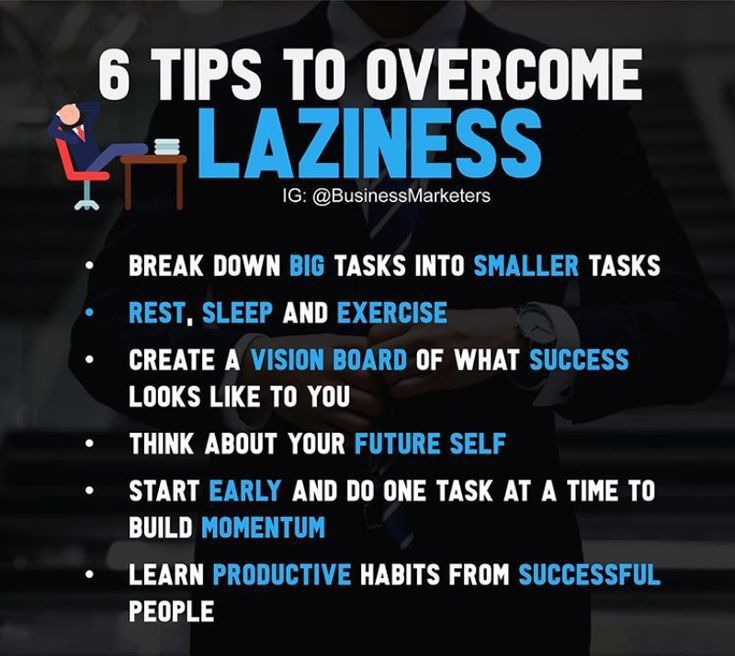
  • How to Overcome Laziness and Build Discipline

    How to Overcome Laziness and Build Discipline

    Laziness. We all feel it sometimes. Some days you wake up, the bed feels extra cozy, and the thought of doing anything productive just… evaporates. But chronic laziness isn’t just about comfort—it’s often about habits, mindset, and even energy management. The good news? Discipline isn’t a trait you’re born with. It’s something you can build, bit by bit. Here’s how.

    Understand Why You’re Lazy
    Before trying to fix laziness, you need to understand it. Sometimes it’s fatigue—physical or mental. Sometimes it’s fear disguised as laziness: fear of failing, fear of starting, fear of judgment. Other times, it’s simple lack of motivation. Figure out the “why” behind your laziness. It’s easier to tackle the root cause than fight symptoms.

    Start Small
    Big changes intimidate the mind and body. You don’t need to overhaul your life in a day. Start with tiny actions. If you want to exercise, do five minutes a day first. Want to write a book? Write one paragraph. Small wins trigger momentum. Once you start, inertia works in your favor.

    Set Clear Goals
    Vague intentions lead to procrastination. “I want to be productive” is too fuzzy. Define exactly what you want. “I will work for two hours on my project every morning” is clear and actionable. Break big goals into smaller steps, so each day you know exactly what needs to be done.

    Create a Routine
    Discipline thrives on structure. Set a daily routine—even imperfect ones. Wake up at a consistent time, allocate blocks for work, exercise, relaxation. When your body and mind know what to expect, laziness has less room to creep in. Habits reduce reliance on willpower, and willpower is limited.

    Remove Distractions
    Phones, social media, TV, noisy environments—these are lazy traps. Identify what distracts you and remove it while working. Even small changes, like turning off notifications or working in a quieter spot, make a huge difference in productivity.

    Use the Two-Minute Rule
    A great trick is the “two-minute rule.” If a task takes two minutes or less, do it immediately. Washing a dish, replying to a short email, tidying up a corner. Doing small tasks immediately prevents them from piling up and overwhelming you.

    Prioritize Tasks
    Laziness often hides behind a long to-do list. The brain shuts down when facing too many tasks. Pick the most important or urgent task first. Focus on one thing at a time. Completing even a single important task creates a sense of accomplishment that fuels discipline.

    Reward Progress, Not Perfection
    Discipline isn’t about being perfect. It’s about consistency. Celebrate small wins. Finished a workout? Treat yourself with a small reward or a moment of rest. Progress creates motivation. Perfection creates guilt—and guilt kills momentum.

    Move Your Body
    Physical activity combats mental laziness. Exercise releases endorphins, boosts energy, and sharpens focus. Even a short walk or stretching session increases your ability to tackle tasks you’ve been avoiding.

    Train Your Mind
    Discipline is as much mental as it is physical. Visualize yourself completing tasks. Use affirmations like “I can do this” or “I will start now, not later.” The more your mind associates action with success, the less lazy resistance you’ll feel.

    Build Accountability
    Share your goals with someone you trust. Post progress updates. Join a group with similar ambitions. Knowing someone else is watching—or cheering for you—adds pressure to follow through when laziness tempts you.

    Embrace Deliberate Delays
    Sometimes laziness arises from burnout. If you’re tired or overwhelmed, push back intelligently. Rest isn’t laziness. Planned breaks restore energy and prevent complete shutdown. Discipline grows when you balance effort with recovery.

    Create a Productive Environment
    Your environment shapes behavior. Keep your workspace clean, organized, and motivating. Remove junk, make tools accessible, and design spaces that make it easy to work. Environment tweaks reduce friction and make action easier.

    Use Habit Stacking
    Link new habits to existing ones. For example, if you want to meditate daily, do it right after brushing your teeth. Linking actions builds routines without relying purely on willpower. Small consistent actions compound over time.

    Avoid Overthinking
    Laziness often comes from thinking too much. You plan, overanalyze, and end up doing nothing. Stop rationalizing inaction. Start. Action breeds motivation. Momentum kills hesitation.

    Forgive Yourself
    Everyone has lazy days. Don’t spiral into guilt. Acknowledge it, adjust, and move on. Self-compassion prevents demotivation and allows you to get back on track faster.

    Final Thought
    Overcoming laziness isn’t about brute force or willpower alone—it’s about understanding yourself, creating supportive routines, and taking small, consistent actions. Discipline isn’t built overnight, but every small step forward strengthens it. Start today, start small, and keep moving. Momentum is your greatest ally, and over time, the lazy days will become fewer, replaced with focus, achievement, and self-respect.

  • Best Minimalist Hacks for a Clutter-Free Life

    Start Small and Build Momentum
    Life gets messy. Piles of papers, clothes everywhere, gadgets you forgot you even owned. Clutter isn’t just physical—it creeps into your mind too. It’s stressful, distracting, and makes it hard to focus. Minimalism isn’t about owning nothing or living in a sterile white room. It’s about intentional living, keeping what matters, and letting go of what doesn’t. Start with one drawer, one shelf, or one corner. Small wins give motivation to keep going.

    Keep What Sparks Joy
    Ask yourself if it sparks joy—or at least has a purpose. Before keeping something, pause. Do you use it? Do you love it? If the answer is no, it’s time to let it go. Minimalism isn’t about guilt—it’s about freeing yourself from things that don’t serve you.

    Declutter Regularly
    A one-time purge isn’t enough. Set aside a day each month or even a few minutes a week to reassess. Life changes, habits change, and so should your belongings. Consistency keeps clutter from sneaking back in.

    Adopt the “One In, One Out” Rule
    Every time you buy something new, get rid of something old. It’s simple but effective. Keeps your possessions from multiplying without thought. Over time, this habit alone prevents clutter from creeping back.

    Go Digital Whenever Possible
    Paper piles are a big source of clutter. Scan important documents, store receipts digitally, and unsubscribe from junk mail. Your wallet and desk will thank you. Bonus: it’s easier to find what you need when it’s digital.

    Optimize Your Storage
    Minimalism doesn’t mean throwing everything into a box and hiding it. Use smart storage solutions like drawer organizers, clear bins, or hooks. Everything should have its place. A designated spot reduces the mental load of searching for items.

    Simplify Your Wardrobe
    A capsule wardrobe works wonders. Keep versatile pieces you actually wear, donate what you don’t. Fewer clothes mean less laundry, less decision fatigue, and more clarity every morning. Minimalism isn’t just about space—it’s about mental energy too.

    Be Mindful About Purchases
    Avoid impulse buys. Before buying, wait a few days and see if you really need it. Ask yourself: “Does this add value or just clutter?” Over time, intentional shopping drastically reduces the things you own without you realizing it.

    Declutter Digital Space
    Phones, computers, and email inboxes get cluttered fast. Delete apps you don’t use, organize files, unsubscribe from unnecessary emails. A clean digital life reduces stress and improves focus.

    Choose Multifunctional Items
    Items that serve more than one purpose save space and reduce clutter. For example, a sofa bed, a blender that doubles as a food processor, or notebooks that serve multiple projects. Less stuff, same functionality.

    Practice Gratitude
    Minimalism works best when you appreciate what you have. Instead of constantly chasing more, focus on what truly matters. Gratitude shifts your mindset from accumulation to contentment.

    Adopt a Minimalist Mindset
    Minimalism isn’t about perfection or strict rules. It’s about intention. Before bringing something new in, think about whether it aligns with your life and values. Mindless accumulation is the opposite of minimalist living.

    Create Clutter-Free Zones
    Identify areas in your home that should stay minimalist—your bedroom, workspace, or living room. Clear surfaces, organized shelves, and intentional decoration make spaces feel calm and inviting.

    Embrace Quality Over Quantity
    Minimalism isn’t about having the least—it’s about having the best. Invest in fewer, higher-quality items that last longer and serve their purpose better. Cheap, disposable items often create more clutter in the long run.

    Let Go of Sentimental Clutter
    Old gifts, childhood items, or souvenirs can pile up fast. Keep the few that truly matter and let the rest go. Photograph items you want to remember—sometimes memories matter more than things.

    Adopt Daily Tidying Habits
    A few minutes each day can prevent mess from building. Make your bed, wash dishes immediately, put things back after use. Daily habits maintain a clutter-free environment without feeling like a chore.

    Simplify Your Kitchen
    Counter clutter and random gadgets can make cooking stressful. Keep only essentials, store the rest, and organize cabinets thoughtfully. A minimalist kitchen makes meal prep easier and enjoyable.

    Be Patient and Persistent
    Minimalism isn’t achieved overnight. Habits take time, clutter sneaks back in, and life changes. Focus on progress, not perfection. Each small step contributes to a calmer, clearer space.

    Final Thought
    A clutter-free life isn’t about living with nothing—it’s about living with intention. Every item, every habit, every corner of your life should serve a purpose or bring joy. Start small, stay consistent, and let go of what weighs you down. Over time, the calm, clarity, and focus you gain will feel like a gift—and one you give to yourself every single day.

  • How to Set Achievable Goals and Stick to Them

    How to Set Achievable Goals and Stick to Them

    Setting goals sounds simple, right? You just decide what you want and go after it. But anyone who’s tried knows it’s not that easy. Goals can feel overwhelming, impossible, or like they disappear the moment life gets busy. The trick isn’t just setting goals—it’s setting achievable goals and actually sticking to them.

    First, start with clarity. What do you really want? Not what someone else says you should want, or what looks good on paper, but what truly matters to you. If your goal isn’t meaningful, motivation fades fast. Take a moment and really think about it. Sometimes writing it down helps, even if it’s messy or unfinished. The act of putting it on paper makes it real.

    Once you know what you want, break it down. Big goals are scary. Running a marathon, writing a book, saving thousands of dollars—it’s easy to get intimidated. But every big achievement is just a collection of small steps. Break the goal into manageable chunks. For example, instead of “write a book,” start with “write 300 words a day.” Little wins add up, and they keep you motivated.

    Be realistic. Ambitious goals are great, but impossible ones lead to frustration. Look at your schedule, resources, energy levels, and other commitments. If you try to overhaul your life overnight, chances are you’ll burn out. Start with something achievable. A slightly smaller goal that you hit consistently is far more valuable than a massive goal you fail at repeatedly.

    Next, put your goals somewhere visible. Don’t just keep them in your head. Sticky notes, phone reminders, a whiteboard—anything that keeps your goal in sight. Seeing it daily reinforces your commitment and keeps you accountable. Plus, it’s satisfying to cross off tasks or check progress as you go.

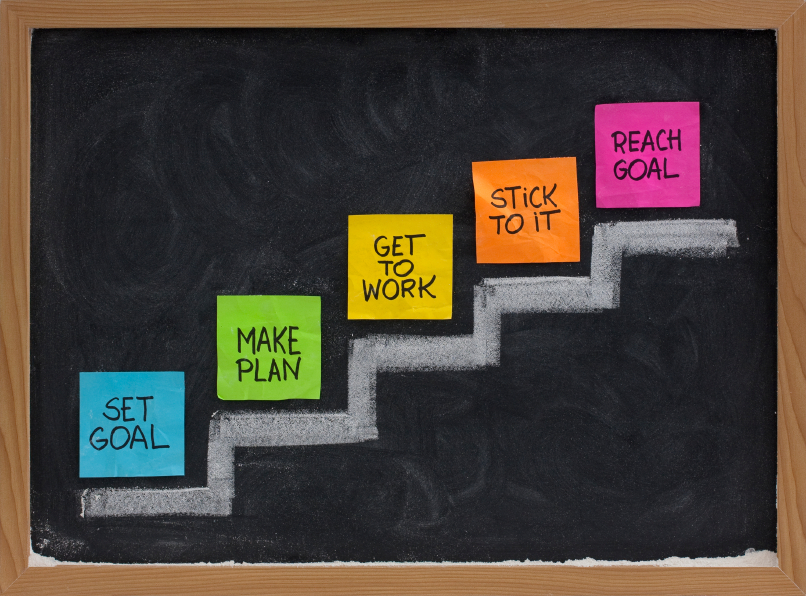
    Create a plan of action. A goal without a plan is just a wish. Outline steps, deadlines, and milestones. Don’t overcomplicate it—sometimes simple bullet points are enough. The key is to have a roadmap so you know what to do each day instead of waiting for motivation to magically appear.

    Track your progress. Humans love seeing progress—it triggers a sense of achievement and keeps us going. Track not only the big milestones but the small wins too. Celebrate them. Even tiny progress counts. It’s easy to forget how far you’ve come when you only focus on what’s left to do.

    Expect setbacks. Life happens. Plans change. You’ll miss days, mess up, or feel unmotivated. That’s normal. The difference between people who succeed and those who don’t isn’t perfection—it’s persistence. When you stumble, don’t give up. Adjust, learn, and keep going. Resilience is part of achieving goals.

    Find accountability. Share your goal with someone you trust, or join a community of people with similar ambitions. Accountability adds an extra push to keep going when your own motivation wanes. Knowing someone else is cheering for you—or watching—can make a big difference.

    Make your goals specific. “Get healthier” is vague. “Walk 10,000 steps five days a week” is specific and actionable. The clearer your goal, the easier it is to create a plan and measure progress. Specificity turns dreams into reality.

    Focus on habits rather than outcomes. Goals are achieved through daily actions, not sudden bursts of effort. Build routines that align with your goal. Want to write a book? Write at the same time every day. Want to get fit? Exercise consistently. Habits make goals stick.

    Be flexible. Life is unpredictable. Your goal may need to evolve. That’s okay. Adjust timelines, methods, or even the goal itself if needed. Flexibility doesn’t mean failure—it means you’re adapting intelligently.

    Visualize success. Spend a few minutes imagining what achieving your goal feels like. How does it change your life? What emotions come with success? Visualization reinforces your motivation and helps your brain internalize what you’re working toward.

    Remove distractions. If your environment makes it hard to focus, change it. Turn off notifications, tidy your space, or dedicate a specific time for working on your goal. A supportive environment makes sticking to goals easier than relying on willpower alone.

    Reward yourself. Don’t wait until the goal is fully achieved to celebrate. Give yourself small rewards along the way. It could be a treat, a small purchase, or simply acknowledging your effort. Rewarding progress reinforces positive behavior.

    Finally, reflect regularly. Take time to evaluate what’s working and what isn’t. Adjust your strategies if needed. Reflection helps you learn from mistakes, refine your approach, and stay connected to the bigger picture.

    Setting achievable goals isn’t magic. It’s a process of clarity, planning, action, and persistence. The key is to start small, stay consistent, and be kind to yourself. Every step forward, no matter how tiny, is progress. Remember, goals are not just about the end result—they’re about the journey and the growth that happens along the way.

    Final Thought
    Achieving goals isn’t about perfection or speed—it’s about persistence, focus, and smart planning. When you break down your goals, stay flexible, and celebrate small wins, even the biggest dreams become achievable. Stick with it, trust the process, and remember that every step counts. Over time, your small, consistent efforts will lead to remarkable results.

  • How to Organize Your Day for Maximum Efficiency

    How to Organize Your Day for Maximum Efficiency

    We all have the same 24 hours. Yet, some people seem to get so much done while others are stuck scrambling through their day. The secret isn’t working harder—it’s organizing your day smartly. When you structure your time with intention, you’ll notice less stress, more focus, and better results. Here’s a guide on how to organize your day for maximum efficiency.

    1. Start with a morning routine
    Mornings set the tone. Don’t just roll out of bed and check your phone. Spend a few minutes stretching, drinking water, maybe journaling. Even 15–20 minutes of a consistent routine can drastically improve focus. Small habits here create momentum.

    2. Identify your priorities
    Not everything on your to-do list is equally important. Write down your top 3 priorities for the day. These are the things that actually move the needle. Tackling these first gives a sense of accomplishment and makes the rest of the day feel manageable.

    3. Use time blocks
    Instead of bouncing between tasks, dedicate blocks of time to specific activities. For example, 9–11 AM for deep work, 11–11:30 AM for emails, etc. Time blocking keeps your brain from constantly switching gears, which wastes energy and focus.

    4. Break tasks into smaller steps
    Big projects feel overwhelming. Break them into bite-sized chunks. It’s easier to start, easier to track, and you’ll feel a sense of progress more often. Even small wins can boost motivation.

    5. Limit distractions
    Notifications, social media, and noisy environments kill productivity. Turn off unnecessary alerts, close extra tabs, or use noise-cancelling headphones if needed. Sometimes, just one focused hour is more effective than several scattered ones.

    6. Plan breaks strategically
    Working non-stop doesn’t make you more efficient. The brain needs rest to function. Short breaks every 60–90 minutes keep your mind fresh. Take a walk, stretch, or grab a drink of water. Avoid aimless scrolling during breaks—it doesn’t recharge you.

    7. Batch similar tasks together
    Group similar activities instead of doing them sporadically. Responding to emails in one batch, making phone calls in another, and running errands in one go reduces mental switching and saves time.

    8. Use a planner or digital tool
    Some people swear by paper planners, others by apps. The point isn’t the tool—it’s clarity. Writing down your schedule, deadlines, and tasks ensures nothing slips through the cracks. Plus, crossing things off feels great.

    9. Set time limits
    Give yourself a deadline for tasks, even small ones. Parkinson’s Law says work expands to fill the time available. If you give yourself unlimited time, tasks drag. Setting boundaries forces focus and efficiency.

    10. Handle decisions efficiently
    Decision fatigue is real. The more small choices you make, the less energy you have for big ones. Reduce trivial decisions—like what to wear or eat—so your brain can focus on what truly matters.

    11. Tackle challenging tasks first
    Energy is highest in the morning for most people. Handle difficult or high-concentration tasks first. Easier tasks and routine stuff can fill the afternoon when energy dips.

    12. Keep your workspace organized
    A cluttered space leads to a cluttered mind. Keep your desk tidy, files organized, and tools easily accessible. This reduces time wasted searching for things and makes working more enjoyable.

    13. Review and adjust daily
    At the end of each day, review what went well and what didn’t. Adjust your plan for tomorrow accordingly. Flexibility is key—rigid schedules that don’t adapt cause frustration, not efficiency.

    14. Learn to say no
    Not every meeting, request, or invitation deserves your time. Protect your schedule. Saying no can feel uncomfortable, but it’s essential for focusing on what really matters.

    15. Practice self-care
    Efficiency isn’t just about doing more—it’s about sustaining performance. Sleep well, eat healthily, move your body, and take mental breaks. Burnout will ruin even the best-planned day.

    16. Use the 2-minute rule
    If something takes less than two minutes, do it immediately. Small tasks can pile up if postponed, creating unnecessary stress. Quick action keeps your to-do list manageable.

    17. Automate and delegate
    Don’t do everything yourself. Automate recurring tasks or delegate when possible. Even small efficiencies, like auto-paying bills or sharing responsibilities at work, free up time for higher-priority work.

    18. Minimize multitasking
    Multitasking feels productive, but it actually slows you down. Focus on one task at a time, give it your full attention, and then move to the next. You’ll get more done, with fewer mistakes.

    19. Keep a “done” list
    Sometimes, seeing what you’ve accomplished is more motivating than a long to-do list. Write down completed tasks—it reminds you that you’re making progress even on busy days.

    20. End the day with a routine
    Just like mornings, evenings set the tone. Spend a few minutes reflecting, planning tomorrow, or simply unwinding. Ending the day intentionally improves sleep, reduces stress, and prepares you for an efficient tomorrow.

    Final Thought
    Organizing your day for maximum efficiency isn’t about packing every minute with tasks or striving for perfection. It’s about making conscious choices, prioritizing what matters, and giving your brain the structure it needs to thrive. Start small, focus on what works for you, and adjust as you go. Efficiency is a practice, not a rule—and every small step adds up to big results over time.

  • 20 Daily Habits That Will Improve Your Life

    20 Daily Habits That Will Improve Your Life

    Life can feel chaotic sometimes. Between work, family, social obligations, and just trying to find some “me” time, it’s easy to get lost. But the small choices we make every day add up. Tiny habits, when repeated consistently, can transform your life in ways you never imagined. Here are 20 daily habits that can help you feel healthier, happier, and more in control of your life.

    1. Wake up early
      It might sound cliché, but getting up earlier gives you extra time to focus on yourself before the day takes over. Even 30 minutes can make a huge difference. You don’t need to be a morning person overnight, just start small.
    2. Make your bed
      This is a small win that sets the tone for the day. It feels insignificant, but psychologically, it gives your brain a sense of accomplishment right away.
    3. Drink water first thing
      Your body gets dehydrated overnight. A glass of water in the morning wakes you up and helps your metabolism. Some people even add lemon for a small boost.
    4. Move your body
      Exercise doesn’t have to be intense. A short walk, stretching, or some push-ups can energize you. Movement also improves mood and reduces stress.
    5. Eat a balanced breakfast
      Fuel matters. Skipping breakfast may save time but can make you irritable or slow your brain. Protein, fruit, or whole grains can give you steady energy.
    6. Practice gratitude
      Spend a few minutes each day noting things you’re thankful for. It can be as simple as your morning coffee or a kind text from a friend. Gratitude shifts your focus from what’s missing to what’s abundant.
    7. Plan your day
      Write down your top 3 priorities. Don’t overwhelm yourself with a long list. Knowing what matters most reduces stress and helps you stay on track.
    8. Limit social media
      Scrolling endlessly can eat hours of your day. Try setting boundaries, like no phone for the first hour after waking. You’ll be surprised how much mental space opens up.
    9. Read every day
      Even 10 minutes can be powerful. Reading expands your mind, reduces stress, and improves focus. It doesn’t have to be self-help or heavy—fiction counts too.
    10. Practice mindfulness
      This doesn’t mean meditating for an hour. A few minutes of deep breathing or simply noticing your surroundings can center you. Mindfulness helps you respond instead of react.
    11. Keep a journal
      Writing down your thoughts helps you process emotions and clarify your goals. You don’t have to be poetic—just write what comes to mind.
    12. Connect with loved ones
      A quick call, text, or hug strengthens bonds. Social connection is one of the strongest predictors of happiness. Even small gestures matter.
    13. Declutter a little each day
      Mess creates mental clutter. Tidy your space bit by bit, even if it’s just one drawer. A cleaner environment helps you feel more in control.
    14. Practice a skill
      Dedicate time to improving something you care about—writing, cooking, coding, drawing. Daily progress, even if small, compounds over time.
    15. Take breaks
      Working nonstop is counterproductive. Step outside, stretch, or simply breathe for a few minutes. Breaks reset your mind and increase productivity.
    16. Eat mindfully
      Slow down, savor your food, and pay attention to hunger cues. Mindful eating improves digestion and prevents overeating. It also turns meals into moments of calm.
    17. Reflect on the day
      Before bed, spend a few minutes thinking about what went well and what you can improve. Reflection builds self-awareness and sets you up for growth.
    18. Get quality sleep
      Sleep is the foundation of everything. Create a bedtime routine, limit screens, and aim for 7-9 hours. Rested brains are sharper, happier, and healthier.
    19. Limit negative inputs
      Whether it’s news, social media, or toxic people, reduce negativity in your life. Protecting your mental space improves mood and focus.
    20. Celebrate small wins
      Every achievement, no matter how small, deserves recognition. Did you drink enough water today? Finish a task? Take a moment to celebrate. It reinforces positive habits.

    Improving your life isn’t about giant leaps or drastic changes overnight. It’s about the little things you do consistently, day after day. Each small habit builds momentum, shaping your mindset, your health, and your happiness in ways you might not notice at first—but over time, the impact is profound. Start small, stay consistent, and be kind to yourself along the way. Life isn’t perfect, but it can get a little better every single day.

  • Why Failure Is the Best Teacher

    Why Failure Is the Best Teacher

    Most people fear failure. They try to avoid it, hide it, or feel ashamed when it happens. But failure is not the enemy of success — it is a powerful part of learning. In fact, many of the most successful people in the world say that their failures taught them lessons that success never could.

    Failure does not mean the end. It means the beginning of understanding. It shows us what we need to improve, how to grow, and where to try differently. When we approach failure the right way, it becomes one of the most valuable teachers we could ever have.

    In this article, we explore why failure is essential for growth, how it strengthens character, and how students can use failure to become stronger, smarter, and more confident learners.

    1. Failure Shows Us Our Weaknesses So We Can Improve

    When we succeed, we feel good — but success doesn’t always teach us how to get better. Failure, on the other hand, points out exactly what needs improvement.

    For example:

    • If a student performs poorly on a math test, the failure highlights which topics they didn’t understand.
    • If someone loses a competition, it shows where they need more practice.
    • If a student forgets something in a presentation, it means they need to prepare differently next time.

    Failure provides clarity.
    Success provides comfort.

    And comfort rarely leads to growth.

    2. Failure Builds Resilience

    Resilience means the ability to face challenges and not give up.
    Life will always have difficulties — exams, job interviews, financial struggles, emotional stress. Those who learn how to stand back up after failing become stronger than those who never fail at all.

    Think about a muscle:

    • It gets stronger only after being stretched and challenged.

    Resilience works the same way:

    • Each time we try again after failing, our confidence grows.

    Failure teaches us that we can endure, we can rebuild, and we can move forward even when things are hard. That is one of the most valuable abilities in life.

    3. Failure Encourages Creativity and Problem-Solving

    When something doesn’t work, we are forced to think differently.
    We start asking questions like:

    • What went wrong?
    • How can I do this better?
    • What strategy should I try next?

    This kind of thinking leads to innovation and creativity.

    Many great inventions exist because something originally failed:

    • Thomas Edison failed thousands of times before inventing the light bulb.
    • The Wright Brothers failed repeatedly before creating the first airplane.
    • Scientists often fail experiments many times before discovering breakthroughs.

    Failure forces the brain to look for new ideas — and new ideas lead to progress.
    4. Failure Develops Self-Awareness and Emotional Strength

    Failure teaches us about ourselves:

    • How we react under pressure
    • How we handle disappointment
    • How we talk to ourselves when things go wrong

    Some people get discouraged and give up.
    Others learn to pause, reflect, and try again.

    Understanding your own emotions is critical for success.
    Failure teaches emotional maturity — the ability to stay calm, patient, and confident during challenges.

    The students who succeed are not always the smartest.
    They are the ones who stay steady when things go wrong.

    5. Failure Strengthens Confidence — When We Learn From It

    Ironically, failure can make us more confident, not less.

    How?

    Because when we fail, try again, and eventually succeed, we learn something powerful:

    “I am capable of overcoming challenges.”

    This self-belief becomes unshakable.

    Confidence doesn’t come from everything going right.
    Confidence comes from knowing you can survive things going wrong.

    6. Why Students Should Not Fear Failure

    Students often fear failure because they think it defines their worth.
    Bad exam = “I’m not smart”
    Mistake in class = “Everyone will judge me”
    Poor performance = “I’m not capable”

    But in reality:

    • Failure does not define you.
    • It guides you.
    • It shapes you.

    The students who grow the most are the ones who:

    • Ask questions
    • Make mistakes
    • Keep learning

    School should not just teach information — it should teach the courage to learn through trial and error.

    7. How to Use Failure as a Tool for Growth

    Here are practical steps to change your mindset:

    StepWhat to DoWhy It Helps
    1. Accept the failureDon’t deny or hide it.Acceptance leads to reflection.
    2. Analyze what went wrongLook honestly at the cause.Understanding leads to solutions.
    3. Make small improvementsChange one habit or strategy.Small steps lead to big progress.
    4. Try againDo not wait too long.Action builds momentum.
    5. Celebrate progressEven small improvements matter.Encouragement builds confidence.

    When you see failure as part of the learning process, it loses its power to frighten you.

    8. Real Success Stories Built on Failure

    • Michael Jordan didn’t make his high school basketball team.
      He practiced harder and became one of the greatest athletes of all time.
    • J.K. Rowling faced poverty, rejection, and stress.
      Yet she wrote Harry Potter, now one of the most successful book series in history.
    • Steve Jobs was fired from his own company.
      Later, he returned and created the iPhone.

    Failure did not stop them — it guided them.

  • Inspirational Stories of Self-Made Scholars

    Inspirational Stories of Self-Made Scholars

    Success in education is often associated with privilege, perfect conditions, or natural talent. But history shows that many great scholars and achievers did not begin with advantages. They built their success through determination, discipline, patience, curiosity, and resilience. Their stories remind us that learning is not limited by background — it grows from mindset.

    In this article, we explore real stories of individuals who rose from difficult circumstances and became exceptional scholars. These stories inspire students to believe that effort matters more than circumstances and that persistence is stronger than talent.

    1. Dr. A.P.J. Abdul Kalam – The Boy Who Dreamed Beyond Limits

    Dr. A.P.J. Abdul Kalam, known as the “Missile Man of India” and the 11th President of India, grew up in a poor family. His father was a boat owner, and his childhood was filled with financial struggles. He sold newspapers to support his family while studying.

    Despite hardships:

    • He studied under streetlights when electricity was unavailable.
    • He borrowed old books because he couldn’t buy new ones.
    • He walked kilometers to attend school.

    What made him remarkable was his love for learning.
    He believed that “Great dreams begin from small beginnings.”

    Through consistent hard work:

    • He became a scientist at ISRO and DRDO.
    • He played a key role in India’s space and nuclear programs.
    • He inspired millions as a teacher and leader.

    His journey shows that dreams become real when we give everything we have to them.

    2. Malala Yousafzai – Courage to Learn

    Malala grew up in a town where girls were discouraged or even threatened for going to school. But she firmly believed that education is a right for everyone.

    When she was a young teenager, she began speaking publicly for girls’ education.
    Even when extremists attempted to silence her, she refused to give up.
    She recovered and continued her mission stronger than ever.

    Achievements:

    • She became the youngest Nobel Peace Prize winner in history.
    • She continues to advocate for education worldwide.
    • She proved that knowledge is more powerful than fear.

    Her courage teaches students:

    “Your voice matters. Your education matters.”

    3. Albert Einstein – From Struggling Student to Genius

    Albert Einstein is now known as one of the greatest scientific minds in history. But as a child, he struggled in school. Teachers called him slow because he learned differently and asked too many questions.

    However, Einstein remained curious.
    He continued thinking deeply, observing, questioning, and exploring ideas others ignored.

    Instead of memorizing facts, he focused on understanding.

    His contributions changed modern physics and the world’s understanding of energy, space, and time.

    Einstein’s life proves that:

    • Intelligence is not measured by grades.
    • Curiosity and imagination are powerful strengths.
    • Learning should be meaningful, not forced.

    4. Oprah Winfrey – Turning Struggle into Strength

    Oprah Winfrey faced extreme hardship in her childhood — poverty, loss, and emotional challenges. But she always believed that education could transform her life.

    She studied hard, read constantly, practiced public speaking, and used her pain as motivation.
    Over time, she became a journalist, talk show host, and one of the most influential women in media.

    Oprah teaches us:

    • Your past does not define your future.
    • Knowledge can help heal, grow, and rebuild.
    • Success comes from self-belief, not perfection.

    5. Hellen Keller – Learning Without Sight or Hearing
    Helen Keller lost her sight and hearing when she was just a child. She could not speak or communicate. The world was dark and silent.

    But with the guidance of her teacher, Anne Sullivan, she learned language through touch.
    She began reading and even speaking.

    Helen Keller went on to:

    • Graduate from college
    • Write books
    • Become a renowned lecturer and activist

    Her story shows that the human spirit is powerful beyond imagination.
    There are no limits to learning when determination is strong.

    Common Lessons from All These Scholars

    Though their backgrounds were different, their success shares the same foundations:

    LessonMeaning
    PersistenceThey kept going even when life was difficult.
    Self-beliefThey believed in their potential before anyone else did.
    CuriosityThey always wanted to learn more and understand better.
    Hard WorkThey did not look for shortcuts. They worked consistently.
    PurposeThey knew why they were learning — and that reason kept them going.

    These qualities matter far more than wealth, background, or natural talent.

    How Students Can Apply These Lessons

    Here are practical ways students can use these lessons in daily life:

    1. Focus on Progress, Not Perfection

    Every small step counts.

    2. Be Consistent

    Study a little every day — consistency builds mastery.

    3. Believe in Yourself

    If others doubt you, let your effort prove them wrong.

    4. Use Challenges as Motivation

    Difficulties shape your strength.

    5. Stay Curious

    Ask questions. Explore ideas. Learn beyond textbooks.

  • How to Set and Achieve Study Goals

    How to Set and Achieve Study Goals

    Every student wants to improve academically, score better, learn effectively, and feel confident in their studies. But wanting success and achieving success are two different things. Often, students start studying with motivation but lose consistency, get distracted, or feel overwhelmed. The key to overcoming this is not just working harder — it is setting clear, realistic, and meaningful study goals.

    Goals give direction. They turn confusion into clarity and effort into progress. When students know exactly what they want to achieve and how they will achieve it, studying becomes easier, structured, and purposeful.

    This article explains how students can set effective study goals and follow through with them successfully.

    1. Understanding the Importance of Study Goals

    Study goals are not just academic requirements — they are personal plans that guide how a student learns. Without clear goals:

    • Students waste time
    • They feel lost or unorganized
    • Procrastination increases
    • Anxiety and stress grow

    With clear goals:

    • The mind becomes focused
    • Study routine becomes smoother
    • Progress becomes visible
    • Confidence increases naturally

    A goal is more than a target — it is a roadmap.

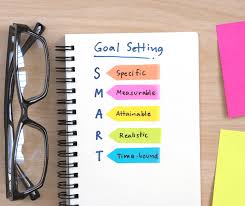
    2. Set SMART Goals

    To be effective, a goal must be SMART:

    LetterMeaningExample
    SSpecific“Study 1 math chapter” instead of “Improve in math”
    MMeasurable“30 minutes daily” instead of “study more”
    AAchievableGoals should match current ability and time
    RRealisticDon’t aim to study 5 hours if you can barely study 30 minutes
    TTime-boundSet a deadline or schedule

    Example of a SMART study goal:

    “I will study English grammar for 25 minutes every day at 7:30 PM for the next 30 days.”

    This is clear, realistic, and actionable.

    3. Break Large Goals into Small Daily Tasks

    Big goals can feel intimidating. That’s why many students quit early — not because they cannot achieve the goal, but because the goal seems too big to handle.

    Instead of trying to finish an entire subject in one study session, divide the goal into small steps.

    Example:
    Goal: Improve science score
    Small tasks:

    • Day 1: Review one topic
    • Day 2: Solve 5 questions
    • Day 3: Watch a short explanation video
    • Day 4: Take a quick self-test

    Small daily progress leads to big results over time.

    4. Plan Your Study Time Wisely

    Time management is an essential part of achieving study goals.

    Tips for scheduling study time:

    • Study at the same time daily — routine builds discipline
    • Use mornings for difficult subjects if possible (the mind is fresh)
    • Avoid multitasking — focus on one subject at a time
    • Divide long study time into short sessions (e.g., 25 minutes study + 5 minutes break)

    Consistency is more important than the total hours studied.

    5. Remove Distractions to Stay Focused

    Distraction is one of the biggest obstacles to achieving study goals.

    Common distractions include:

    • Mobile phones
    • Social media
    • Noise
    • Unplanned chatting or browsing

    To stay focused:

    • Keep your phone in another room or on silent during study sessions
    • Use apps that block social media temporarily, like Forest or Focus To-Do
    • Study in a clean and quiet space
    • Inform family or friends of your study schedule to avoid interruptions

    Even 30 minutes of fully focused study is more effective than 2 hours with distractions.

    6. Track Your Progress Regularly

    Tracking progress allows students to see improvement, which builds motivation.
    You can track your study goals using:

    • A notebook
    • A calendar
    • A bullet journal
    • A daily checklist
    • A habit tracking app

    Every time you complete a daily study task — mark it.

    This “achievement marking” creates a sense of accomplishment and encourages consistency.

    7. Reflect and Adjust When Needed

    Goals are not meant to be rigid. Sometimes:

    • A goal needs more time
    • A subject is more difficult than expected
    • Study routine needs to be adjusted

    Self-reflection helps you understand what is working and what is not.

    Every week, ask yourself:

    • What went well?
    • What was difficult?
    • What will I change for next week?

    This prevents frustration and keeps progress steady.

    8. Stay Positive and Patient

    Results do not come overnight.
    Learning requires patience, repetition, and trust in the process.

    Students often give up too soon because they want immediate results.

    Remember:

    • Progress may be slow, but it is still progress.
    • Some days will be easier than others.
    • One bad day does not mean failure.

    Patience is the key that turns effort into success.

    9. Reward Yourself for Achievements

    Rewards reinforce positive behavior.
    They make studying feel satisfying and not burdensome.

    Examples of small rewards:

    • Watch a favorite show after studying
    • Enjoy your favorite snack
    • Take a relaxing walk
    • Listen to music

    Rewards remind your brain that effort is worth it.

    10. Believe in Your Ability to Improve

    Having a growth mindset means understanding that abilities can be developed through effort, learning, and practice. No student is born brilliant. Success comes through persistence.

    Instead of thinking:

    “I’m not good at this.”

    Think:

    “I can get better with practice.”

    Confidence grows from progress, not perfection.