Author: admin

  • Best Educational Apps for Kids

    Best Educational Apps for Kids

    Technology has become an important part of children’s learning today. Instead of only textbooks and notebooks, children now learn through tablets, phones, and computers as well. Educational apps make learning easier, fun, and more interactive. They help children understand difficult topics through games, videos, quizzes, and creative tasks. But one question parents often ask is: Which educational apps are best for kids?

    In this article, we will explore some of the best educational apps for kids and how these apps can support learning, creativity, and skill development.

    Why Educational Apps Are Useful

    Educational apps are designed to make learning exciting. When kids learn through play, they remember better and stay interested longer. Apps also allow children to learn at their own speed, without pressure. If a child doesn’t understand something, they can repeat it as many times as they want.

    Benefits of educational apps include:

    • Makes learning enjoyable
    • Improves problem-solving and creativity
    • Encourages independent learning
    • Helps build confidence
    • Supports different learning styles (visual, audio, interactive)

    Top Educational Apps for Kids

    1. Khan Academy Kids

    This is one of the most popular free learning apps. It includes reading, math, science, drawing, and imagination activities. It also includes stories and phonics for early learners.

    Why it’s great:

    • Completely free
    • Fun animated characters
    • Encourages gradual learning stages

    2. ABCmouse

    ABCmouse is designed for early childhood learning. It teaches letters, words, counting, colors, shapes, and early science.

    Why it’s great:

    • Structured learning path
    • Fun games and songs
    • Good for ages 2–8

    3. Duolingo

    Duolingo helps kids learn languages like Spanish, French, English, German, and more through small daily lessons.

    Why it’s great:

    • Very engaging
    • Colorful rewards motivate kids
    • Perfect for building vocabulary

    4. YouTube Kids (Educational Channels Only)

    With parental supervision, YouTube Kids offers science experiments, history explanations, reading lessons, and more.

    Why it’s great:

    • Huge library of learning videos
    • Useful for visual learners

    Parents should guide what the child watches.

    5. Prodigy Math

    Prodigy makes math practice feel like a fantasy adventure game. Kids solve math problems to earn rewards in the game.

    Why it’s great:

    • Makes math fun
    • Encourages consistent practice
    • Built-in progress tracking

    How Parents Can Support Learning

    Even the best app cannot replace a parent’s involvement. Parents should:

    • Set learning schedules
    • Sit with the child during first few sessions
    • Avoid overuse (30–60 minutes is enough)
    • Encourage discussion about what they learned

    Balanced screen time is key.

    Conclusion

    Educational apps can be wonderful tools for learning when used in the right way. They can turn study time into playtime and help children gain confidence in their skills. With guidance and healthy screen habits, these apps can truly support a child’s growth and development.

  • How to Create Digital Flashcards for Studying

    How to Create Digital Flashcards for Studying

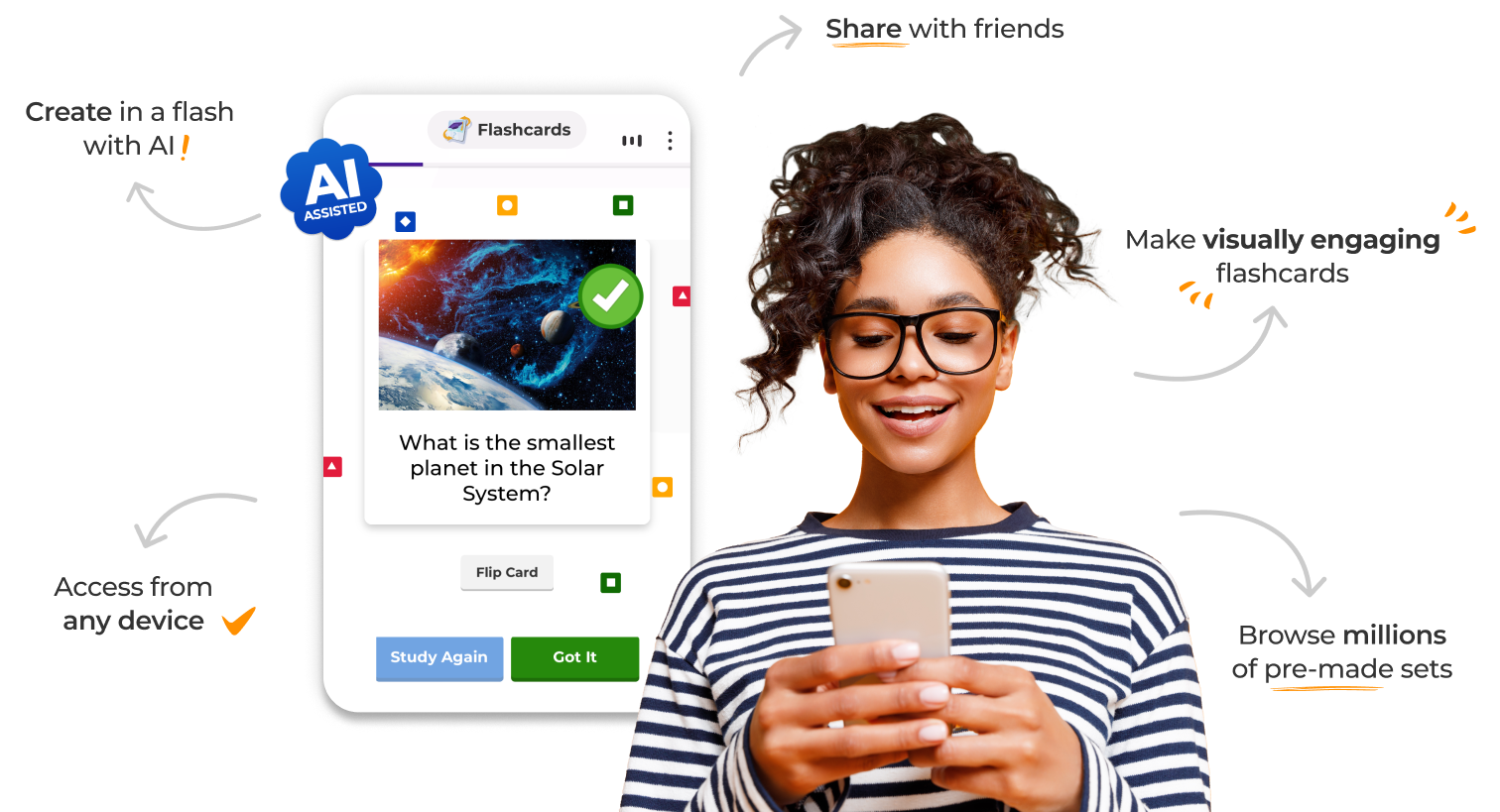
    Studying can feel overwhelming when there is a lot of information to remember. Whether you are learning vocabulary, historical dates, formulas, or key definitions, it can be hard to keep everything organized. One of the most effective tools for memory retention is flashcards. Traditionally, flashcards were pieces of paper with a question on one side and the answer on the other. But now, with the help of modern technology, we can create digital flashcards that are easier to use, faster to organize, and accessible anywhere.

    Digital flashcards are simply electronic versions of paper flashcards that can be used on smartphones, tablets, or computers. They allow students to review information repeatedly, test themselves, and improve memory through repetition. The biggest benefit is that you can study anytime — on the bus, in bed, during breaks, or while walking around.

    In this article, we will explore why digital flashcards are useful, how to create them step-by-step, the best apps to use, and tips to make your flashcards more effective.

    Why Digital Flashcards Are Useful

    Digital flashcards are powerful learning tools because they use active recall and spaced repetition.

    • Active Recall means testing your memory instead of just rereading notes. When you try to remember something, your brain becomes stronger.
    • Spaced Repetition means studying the same information at intervals. This technique ensures you don’t forget what you have learned.

    Digital flashcards also come with advantages such as:

    • Always available on your phone or laptop
    • Easy to edit or update
    • Include images, audio, diagrams, or links
    • Automatically shuffle to avoid memorizing patterns
    • Track your progress and improvement

    These features make digital flashcards extremely practical for students of all ages.

    Step-by-Step Guide to Creating Digital Flashcards

    Step 1: Choose the Right Platform

    Before you start making flashcards, select a digital flashcard app or website. Some of the best and most popular options include:

    • Quizlet
    • Anki
    • Brainscape
    • Cram
    • StudyBlue

    Each platform has slightly different features.

    Choose whichever one feels easy and comfortable to use.

    Step 2: Break Your Study Material into Small Chunks

    Do not try to put long paragraphs on flashcards. Flashcards are meant to be simple and focused.

    Take your notes or textbook and divide the information into smaller pieces such as:

    • Short definitions
    • Key points
    • Important formulas
    • Dates and names
    • Concepts and meanings

    The goal is to make one idea = one flashcard.

    Step 3: Create the Cards

    A flashcard usually has:

    • A question or prompt on one side
    • The answer on the other side

    For example:

    Front (Question)Back (Answer)
    What is photosynthesis?The process by which plants convert sunlight into energy.

    If your flashcard is too long or contains too much detail, break it into multiple cards.

    Step 4: Use Images and Visuals

    Visual learning helps memory. If your topic involves parts of the body, maps, vocabulary, symbols, or formulas, add images. Most flashcard apps allow you to upload pictures or use built-in image search.

    For example:

    • A flashcard for “Heart Anatomy” can include a labeled diagram.
    • A flashcard for vocabulary can include a picture representing the word.

    This makes the learning experience more interesting and memorable.

    Step 5: Add Audio for Pronunciation (Optional)

    For language learning, adding audio can be helpful. Many apps like Quizlet allow you to record or attach audio clips. Listening to the word while reading its spelling improves your memory and pronunciation.

    Step 6: Organize Flashcards into Sets or Decks

    If you have multiple subjects, organize flashcards into separate decks.

    Examples:

    • Math Formulas Deck
    • Biology Key Terms Deck
    • English Vocabulary Deck

    This makes it easier to study specific topics and prevents confusion.

    How to Study Effectively with Digital Flashcards

    1. Use Spaced Repetition

    Study a little every day instead of cramming right before exams. Apps like Anki automatically schedule flashcards based on how well you remember them.

    2. Shuffle Your Cards

    Shuffling prevents your brain from memorizing answers based on order. It forces real recall.

    3. Use Test Mode

    Most apps have practice quizzes or multiple-choice tests. Use these to test your progress.

    4. Review Difficult Cards More Often

    The cards that are harder for you should appear more frequently. Many apps allow rating difficulty.

    5. Study in Short Sessions

    Flashcards are most effective in short 10-20 minute sessions. This keeps your brain fresh and focused.

    Best Apps for Creating Digital Flashcards

    App NameBest ForSpecial Features
    QuizletBeginners and quick learningEasy interface, games, test modes
    AnkiLong-term memorizationSmart spaced repetition system
    BrainscapeStructured study habitsConfidence-level scoring
    CramQuick reviewMany user-created flashcards
    StudyBlueClass-based learningShare and collaborate with classmates

    Choose based on your study goals.

    Tips to Make Your Digital Flashcards More Effective

    • Keep text short and clear
    • Use keywords, not long sentences
    • Add examples to reinforce meaning
    • Review daily — even 5 minutes is helpful
    • Make it fun — use colors, emojis, or icons to stay motivated

    Learning does not need to be boring. Flashcards turn studying into an active and enjoyable process.

    Conclusion

    Digital flashcards are one of the simplest yet most powerful tools for studying. They make learning more organized, interactive, and efficient. By breaking down information into small, memorable pieces, students can strengthen their memory and understanding of any subject. Whether preparing for exams, learning new vocabulary, studying science concepts, or practicing math formulas, digital flashcards can help you get better results in less time.

    Remember:
    A few minutes of flashcard review every day is more effective than hours of cramming.

  • 7 Career Options You Didn’t Know Existed

    7 Career Options You Didn’t Know Existed

    When we think about careers, most of us picture the usual paths: doctor, engineer, teacher, lawyer. But the world is way bigger than that, and there are jobs out there that sound almost unbelievable—but are real, paying careers. Some of them are quirky, some highly specialized, and some are booming thanks to new technology and trends. If you’re a student or someone exploring options, knowing these can open doors you didn’t even know existed.

    1. Ethical Hacker

    You might have heard the word “hacker” and thought of crime movies, right? Well, ethical hackers are the good guys. Companies hire them to find vulnerabilities in their systems—basically, to hack themselves before the bad hackers do.

    It’s a high-demand career because cybersecurity is huge, and there’s a shortage of skilled professionals. Ethical hackers need knowledge in programming, network security, and problem-solving. Plus, it’s kind of thrilling—finding weaknesses that no one else can.

    2. UX Researcher

    User experience (UX) design is becoming a critical part of almost every product. But UX researchers are the people behind the scenes who figure out what users actually want and need. They conduct surveys, usability tests, and interviews to improve apps, websites, and software.

    It’s not just about design—it’s psychology, analytics, and creativity combined. And it’s a career that’s only going to grow as technology continues to shape our daily lives.

    3. Food Scientist or Flavor Chemist

    If you love food (who doesn’t?), this might be the dream. Food scientists and flavor chemists create new flavors, improve nutritional content, and even design food products that last longer. Imagine working for a chocolate company, a beverage brand, or even pet food manufacturer—your job is literally making things taste amazing and safe to eat.

    It combines chemistry, biology, and a bit of artistry. And surprisingly, it pays well and has a lot of variety in daily tasks.

    4. Drone Operator / UAV Specialist

    Drones are no longer just toys—they’re tools for photography, agriculture, surveying, and even delivery. Drone operators or UAV specialists control drones for all kinds of professional tasks.

    It’s a newer career, and with regulations loosening and technology improving, it’s growing fast. Skills in navigation, camera operation, and sometimes coding or robotics are essential. And let’s face it—flying drones for work sounds cooler than a lot of traditional office jobs.

    5. Ethical Fashion Consultant

    Sustainability is a big trend now, and ethical fashion is part of it. Ethical fashion consultants advise brands and individuals on sourcing eco-friendly materials, sustainable production methods, and reducing environmental impact.

    This career is perfect for students passionate about fashion but also concerned about the planet. You get to combine creativity, research, and social responsibility, all while helping brands stand out in a crowded market.

    6. Digital Detox Consultant

    Sounds unusual, right? But digital detox consultants help people reduce screen time, unplug from social media, and regain balance in their lives. They work with individuals, schools, or even corporations to improve mental health and productivity.

    It’s a mix of psychology, coaching, and lifestyle consulting. In a world where most people spend too much time online, this career is becoming increasingly relevant.

    7. Space Tourism Guide

    Okay, this one sounds like science fiction—but companies like SpaceX and Blue Origin are making space travel for civilians a reality. Space tourism guides or coordinators prepare travelers, manage safety protocols, and sometimes even assist with space mission experiences.

    It’s niche, highly specialized, and not for everyone. But for those obsessed with space, technology, or adventure, it’s a career that could exist sooner than you think.

    Final Thought

    The world of work is constantly evolving. Some of the careers we think are “normal” today didn’t exist twenty years ago, and many of these unusual options will be mainstream in the next decade. The key is to stay curious, explore beyond the traditional paths, and find something that aligns with your skills, passion, and curiosity.

    Don’t just follow what everyone else is doing. Some of the most fulfilling, well-paying, and exciting careers are the ones most people haven’t heard of. Explore, research, and be open-minded—you might discover a career you didn’t even know existed but were always meant for.

  • How to Build a Personal Brand as a Student

    How to Build a Personal Brand as a Student

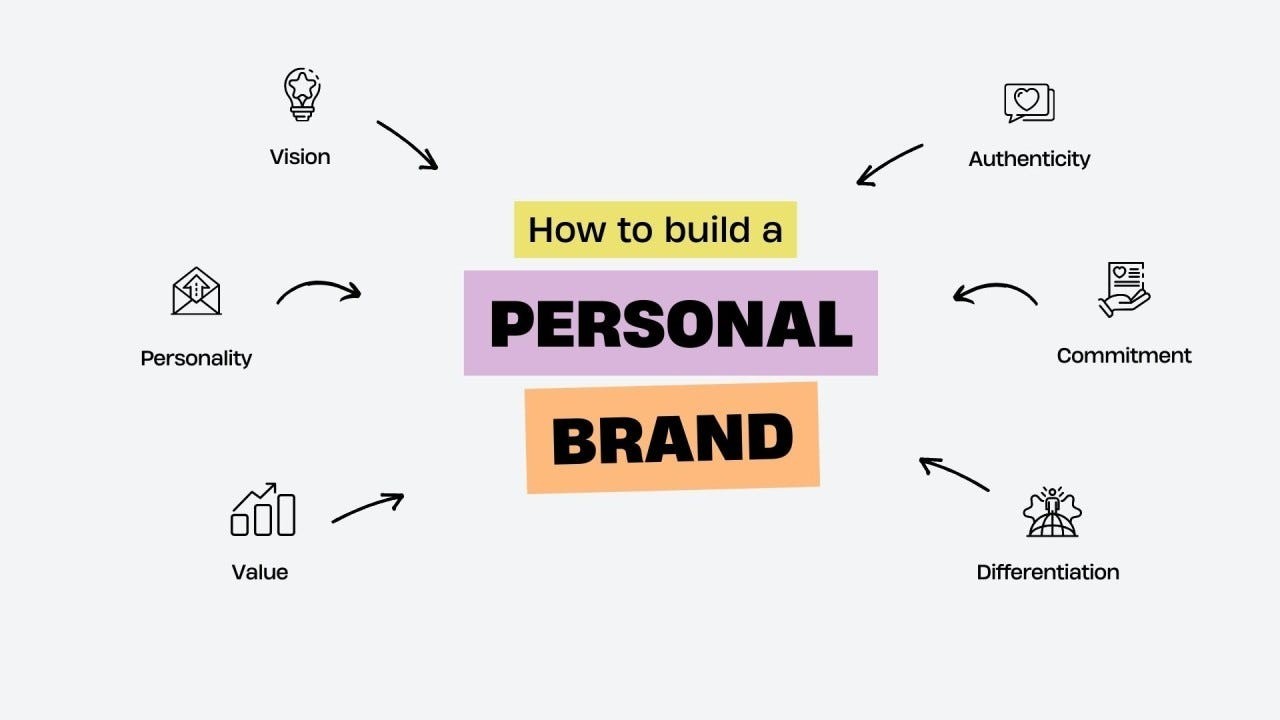
    Being a student today isn’t just about grades or passing exams. It’s also about building a reputation—your personal brand. Personal branding might sound like something only influencers or CEOs do, but the truth is, every student can benefit from it. A strong personal brand can help you land internships, get recommendations, secure scholarships, and even start your career earlier. But the key is to start early and be intentional about it.

    Why Personal Branding Matters

    Think about it. Employers, professors, and peers notice more than just your grades. They notice your online presence, how you communicate, what projects you work on, and how you present yourself. Your personal brand is basically the story you’re telling about who you are, what you care about, and what you can do.

    A strong personal brand gives you visibility. It shows that you’re proactive, confident, and professional. And in today’s competitive environment, that edge can make a huge difference.

    1. Know Yourself

    Before you start building your brand, you need to know who you are. Sounds simple, but many students skip this step. Ask yourself: what are my strengths? What am I passionate about? What makes me different from other students?

    Write it down. Maybe you’re good at coding, love writing, or enjoy public speaking. Your personal brand should highlight these things. Being authentic matters. People can tell if you’re pretending to be someone you’re not.

    2. Define Your Goals

    A brand without direction is confusing. Decide what you want your personal brand to do. Do you want to get internships in tech? Land a scholarship in business? Build a freelancing career while still in college? Your goals will guide how you shape your brand.

    Having clear goals also helps you decide what content to share, what skills to learn, and which platforms to focus on.

    3. Create an Online Presence

    Most of your personal brand today exists online. LinkedIn is the obvious choice. Make sure your profile is complete, professional, and showcases your achievements. Add a professional photo, highlight your skills, and share any projects you’ve done.

    Beyond LinkedIn, think about other platforms. Twitter, Instagram, or even a personal blog can work, depending on your field. For example, students interested in writing, design, or content creation can benefit from a blog or portfolio website. Tech students can share coding projects on GitHub.

    4. Showcase Your Skills

    Your personal brand isn’t just what you say—it’s what you do. Build a portfolio of your work. Completed projects, class assignments, volunteer work, personal projects—they all count.

    Even small projects matter. For instance, creating a website, writing an article, or designing a logo demonstrates initiative and practical skills. The key is to show results and progress, not just effort.

    5. Network Authentically

    Networking is part of personal branding. Reach out to peers, professors, and professionals in your field. But don’t just ask for favors. Share ideas, ask thoughtful questions, and show genuine interest in what others are doing.

    Attend online webinars, student meetups, and industry events. Each interaction is a chance to strengthen your brand and make connections that can help your career.

    6. Share Your Story

    People remember stories more than facts. Share your journey, your challenges, and how you overcame them. It could be a LinkedIn post about a project that failed at first or a tweet about learning a new skill.

    Storytelling humanizes your brand. It makes you relatable and memorable. Plus, it shows resilience, creativity, and problem-solving—traits every employer values.

    7. Be Consistent

    Consistency is key. You don’t need to post every day, but you do need to be consistent in the message you’re sending. Your profiles, interactions, and work should all reflect the same core values and goals.

    This doesn’t mean being rigid. It means your personal brand should have a clear identity and evolve naturally as you grow.

    8. Keep Learning and Adapting

    A personal brand isn’t static. As you gain new skills, experiences, and insights, your brand should reflect that growth. Take online courses, attend workshops, read books, and apply your knowledge.

    This continuous improvement shows that you’re proactive, curious, and committed to self-development. And honestly, people notice that more than flashy certificates.

    Final Thought

    Building a personal brand as a student might seem intimidating, but it doesn’t have to be. Start small, be authentic, and focus on skills and experiences that highlight who you are and what you want to achieve. Remember, your personal brand is more than online presence—it’s how people perceive you, both digitally and in real life.

    Start early, invest in yourself, and be consistent. Over time, your personal brand will open doors that grades alone cannot. It’s about creating opportunities, standing out, and showing the world what you’re capable of—before even stepping fully into your career.

  • Best Online Courses to Boost Your Resume

    Best Online Courses to Boost Your Resume

    In today’s competitive job market, having a degree alone isn’t enough. Employers are looking for candidates who can show real skills, practical knowledge, and the ability to adapt. That’s where online courses come in. They’re flexible, often affordable, and can add significant weight to your resume—if chosen wisely. The trick is picking courses that actually matter, not just random certificates.

    Why Online Courses Matter

    Online courses do more than just teach you stuff—they show initiative. They show that you’re willing to learn, improve, and stay up to date. Employers notice this. But also, they let you learn at your own pace. No rigid class schedules, no long commutes. You can even tailor your learning to your career goals.

    It’s not about collecting certificates. It’s about learning things you can actually use, demonstrate, and talk about in interviews.

    1. Data Analysis and Data Science

    Data is everywhere. Companies are drowning in information, but they need people who can make sense of it. Courses in data analysis, Excel, SQL, Python, and Tableau are highly valued. Even if you’re not aiming to become a full-time data scientist, having data skills shows that you can handle numbers, make decisions based on insights, and work smarter.

    Tip: Try to complete projects during the course. Employers love to see real examples of work, not just a certificate.

    2. Digital Marketing

    Digital marketing isn’t just for marketing majors. It’s useful across industries. SEO, content marketing, social media strategy, and email marketing are in high demand. If you can show that you know how to grow an audience, improve engagement, or run ads efficiently, your resume suddenly becomes much more attractive.

    Even basic courses can make a big difference. But again, practical projects are key. Maybe run a small campaign for a friend’s business or create a personal blog to apply what you learn.

    3. Project Management

    Project management skills are universal. No matter the industry, employers value people who can plan, organise, and execute tasks effectively. Courses in tools like Trello, Asana, Jira, or learning methodologies like Agile and Scrum give you a competitive edge.

    Plus, certifications like a beginner-level project management course can often lead to better job opportunities and higher pay, even if you’re just starting out.

    4. Programming and Software Development

    Programming is one of those skills that practically guarantees you a career upgrade. Learning languages like Python, JavaScript, or Java can open doors in tech, finance, marketing, and beyond. Courses often include hands-on exercises and mini projects that you can showcase on GitHub or your portfolio.

    Even basic knowledge of coding can set you apart. Employers love candidates who can automate tasks, understand software tools, or collaborate with tech teams effectively.

    5. Graphic Design and UX/UI

    Visual skills matter. Whether it’s creating presentations, designing social media posts, or improving user experience on apps, graphic design and UX/UI courses are increasingly valuable. Learning tools like Canva, Figma, or Adobe Creative Suite shows creativity and technical ability.

    Even if you don’t become a designer full-time, understanding the basics of design and usability can make you more versatile. It’s a skill that stands out on a resume.

    6. Communication and Public Speaking

    Soft skills are often underestimated, but they’re crucial. Courses that teach communication, writing, or public speaking help you express ideas clearly, lead meetings, and collaborate with teams. Employers notice when someone communicates effectively.

    It’s one thing to be knowledgeable; it’s another to explain it well. Even online courses that improve storytelling, negotiation, or interpersonal communication can give your resume a boost.

    7. Financial Literacy and Accounting

    Understanding finance is useful across jobs and industries. Courses in personal finance, budgeting, accounting basics, or Excel for finance demonstrate analytical thinking. They show employers that you can manage resources, understand reports, and contribute to business strategy.

    You don’t need to become a CPA to benefit. Even basic financial skills give you a competitive edge.

    8. Foreign Languages

    In a globalised world, being multilingual is a real asset. Learning a new language, especially business-relevant ones like Spanish, Mandarin, or German, can set you apart. Online courses with speaking practice and certifications can demonstrate your commitment and skill level.

    Even conversational proficiency can make your resume stand out, especially if the company deals with international clients.

    9. Cybersecurity Basics

    Cybersecurity isn’t just for tech experts. Courses that teach safe practices, basic network security, or ethical hacking show awareness of a critical modern issue. Companies are increasingly looking for employees who understand digital security and can avoid costly mistakes.

    It also signals that you’re proactive, tech-savvy, and serious about protecting business assets.

    10. Leadership and Personal Development

    Finally, courses on leadership, emotional intelligence, or time management can improve both your personal and professional life. Employers value people who can take initiative, motivate others, and manage themselves effectively.

    Leadership courses aren’t about becoming a CEO immediately—they’re about demonstrating potential, maturity, and adaptability.

    How to Choose the Right Courses

    Not all online courses are equal. Focus on these factors:

    • Relevance to your career goals
    • Practical projects or real-world applications
    • Recognition by employers or industry
    • Reviews and instructor experience

    Remember, it’s better to complete a few relevant courses fully than to collect dozens of certificates you can’t use.

    Final Thought

    Online courses are more than just resume fillers—they’re opportunities to grow, learn, and stand out. Picking the right courses shows initiative, adds real value, and can sometimes open doors faster than traditional education alone. Focus on skills that matter in your field, practice them, and apply them. In the end, what employers see isn’t just a certificate—it’s what you can do and how you can contribute.

    Learning never stops, and in 2025, the ability to adapt and upskill is one of the most powerful career advantages you can have.
  • Top 10 High‑Income Skills to Learn in 2025

    Top 10 High‑Income Skills to Learn in 2025

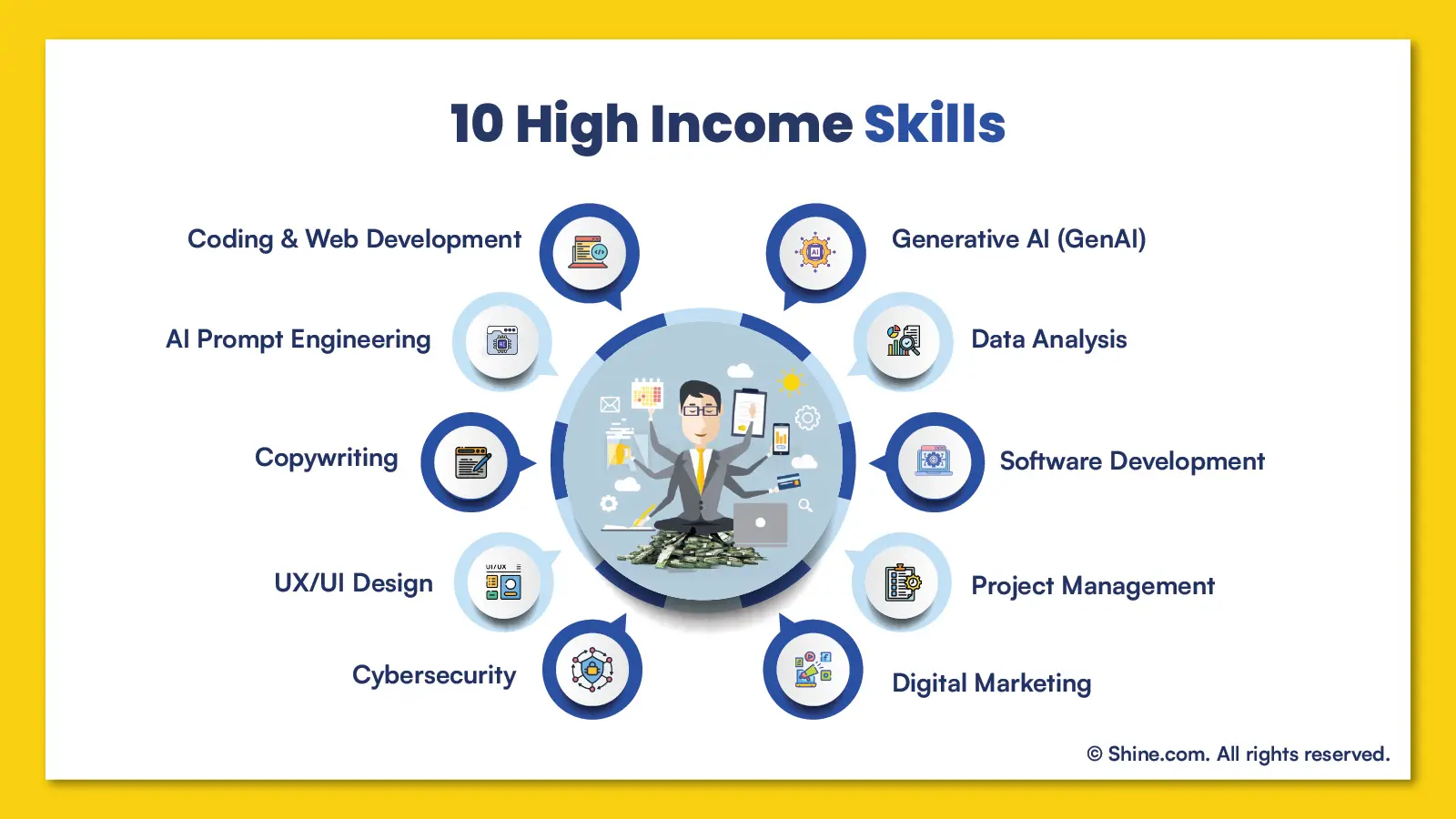
    In 2025 the job market is shifting fast. AI, automation, digital business, global hiring—all of it’s changing the rules. What used to guarantee good pay (just a degree, decent job) isn’t enough anymore. Instead, skills matter more than ever. High‑income skills are those abilities you can learn and then make a substantial income from—either in a job, freelancing or your own venture. Here are ten top ones to target.

    1. Generative AI / Prompt Engineering

    Generative AI (things like text‑to‑image, chatbots, code generation) is no longer niche. Businesses want people who can craft prompts, fine‑tune models, integrate AI into workflows. It’s a high value skill now. One source says generative AI will be one of the biggest paying fields in 2025. If you’re comfortable with writing, logic and experimenting—this could be for you.

    2. Data Analysis & Interpretation

    The phrase “data is the new oil” still holds. Companies collect massive amounts of data—but they need people who can extract insights, visualise them and make decisions from them. Skills: SQL, Excel, Tableau, Python basics. If you enjoy making sense of numbers, this is super high value.

    3. Software Development / Web & App Development

    Code still pays. Learning to build apps, websites, backend systems—these skills remain in high demand. Even in 2025, web dev, mobile dev, full‑stack dev are very much jobs you can go into.
    But the trick is to specialise or pick a niche, because general dev is crowded.

    4. Cybersecurity

    As businesses move everything online, risk goes up. Cyber attacks, data leaks, regulatory pressures—they all mean demand for cybersecurity experts. One source lists it as a top skill for 2025
    If you’re detail‑oriented, interested in networks, safety, this could be a goldmine.

    5. Cloud Computing & Infrastructure

    The backbone of digital business is the cloud. Skills like AWS, Azure, Google Cloud, containerisation, DevOps—they’re not glamorous, but they pay. Many companies pay a premium for engineers who can run, scale and secure cloud infrastructure.
    Worth learning if you like systems rather than just apps.

    6. UX/UI Design

    Great products need to be usable and enjoyable. That’s where UX / UI designers come in. They’re in demand because companies realise good design keeps users and makes money. It’s one of the high‑income skills according to recent lists.
    If you’re creative and logical, this might be your sweet spot.

    7. Copywriting & Content Strategy

    Words still matter. Especially online, where businesses need to persuade, engage, convert. Skilled copywriters who understand psychology, digital marketing, SEO can earn very well. One list says copywriting is definitely a high‑income skill for 2025
    Even if you start small, the premium for good writing is big.

    8. Digital Marketing & SEO

    Digital marketing has evolved. Not just running ads, but data‑driven campaigns, SEO, content, social strategy. Companies and freelancers both pay well. It shows up in nearly every list of high‑income skills.
    If you understand behaviour, trends, and business, this skill is gold.

    9. Sales & Persuasion / High‑Ticket Closing

    No matter how automated things become, someone still has to sell. High‑income comes when you can sell big value deals, close complex clients, master negotiation. One list even puts “sales & persuasion” as one of the top skills for 2025.
    This one is for people who love talking, influencing, connecting.


    10. No‑Code / Low‑Code Development & Automation

    As tools get more powerful, many businesses want to automate workflows without full dev teams. So knowing no-code platforms, workflow automation, building MVPs quickly—these skills will be highly paid because they’re scarce. One source mentions no‑code as part of high‑income skills for 2025.
    Good entry point if you’re not hardcore programmer but still want tech‑earnings.

    How to Choose & Get Going

    Pick a skill that matches your interest + growing demand. Don’t just do what’s “hot.” Because if you hate it, you’ll quit. Then: schedule time to learn. Use online courses, build a portfolio, get real projects (even unpaid to start). Stay curious.
    Also combine skills. For example: a copywriter who knows SEO + analytics = more value. Data analyst who knows AI + cloud = even higher. Skills stack. According to research, the value of a skill increases when you combine it with others.
    Finally, don’t wait. Starting early gives you edge. Mistakes are fine—what counts is progress.

    Final Thought

    2025 is full of opportunity—but it’s also full of competition. The folks earning really well won’t just have random skills—they’ll have high‑income skills that solve big problems. The ten listed here are the ones worth your time. Pick one, commit to learning, build real‑world experience. Focus on demand and your own strength. Because income often follows value created, not just time spent. In the end, your skill becomes your asset. Stack it, refine it, and let it open doors you didn’t imagine.

  • The Importance of Small Wins for Building Momentum

    The Importance of Small Wins for Building Momentum

    We all dream big.
    We picture the finish line — the promotion, the dream body, the successful business, the peaceful mind. But between where we are and where we want to be, there’s this wide, uncertain stretch. That’s the part where most people lose steam. Where motivation fades, and self-doubt starts whispering.

    That’s where small wins come in.

    They might seem… well, small. But they’re powerful. In fact, they’re the real foundation of big achievements.

    Why Small Wins Matter More Than We Think

    Here’s the thing — our brains are wired for progress, not perfection.
    Each time we complete something, even tiny, our brain releases dopamine. It’s that little “hey, you did it!” chemical that makes us feel good and pushes us to do more. That’s why crossing an item off a to-do list feels strangely satisfying — it’s not meaningless; it’s neurological.

    Harvard Business School professor Teresa Amabile actually studied this. She found that people who recorded daily progress at work — no matter how small — were more motivated, creative, and productive. The key wasn’t the size of the success. It was the feeling of progress.

    So those micro-moments?
    They’re not trivial. They’re fuel.

    Momentum Is Built, Not Found

    A lot of people wait for motivation to strike before they start. But that’s backward. Motivation rarely shows up out of nowhere. It’s momentum that creates motivation — and momentum starts with small wins.

    Think of it like pushing a heavy car. The hardest part is getting it to move even an inch. But once it starts rolling, it takes less effort to keep it going. Small wins are those first inches — they break inertia.

    You don’t write a book by writing a book. You write one paragraph today, another tomorrow. You don’t run a marathon by running 26 miles out of nowhere. You start with one mile, maybe even a walk. Each win builds a tiny bit of confidence, a spark that says, “I can do this.”

    Before you know it, that spark turns into momentum.

    Small Wins Rewire How We See Ourselves

    There’s another layer here — identity.
    When you start racking up small wins, even if nobody else sees them, you start shifting how you see yourself.

    Say you’re trying to get fit. You go for a 10-minute jog every morning. At first, it feels insignificant. But over time, it’s no longer about jogging. You start thinking of yourself as “someone who works out.”

    That’s identity change. And identity change is way more powerful than willpower.

    Because once your actions align with who you believe you are, you stop forcing habits — they become natural.

    The Psychology of Progress

    There’s this idea called the “progress principle.” It basically says that of all the things that can boost emotions, motivation, and perceptions during a workday, the single most important one is making progress in meaningful work.

    Meaningful — not necessarily massive.

    When people feel they’re moving forward, even just a bit, they’re happier, more engaged, and more resilient. It’s like a snowball effect. One small success leads to another, and soon you’re in a rhythm.

    You stop asking, “Am I good enough?” and start asking, “What’s next?”

    Small Wins Keep You From Burning Out

    Let’s be honest. Big goals are exhausting.
    They take time, energy, patience — all things that fluctuate. Without visible progress, it’s easy to lose motivation. That’s when people quit halfway, thinking they’ve failed.

    Small wins act as checkpoints. They remind you that you’re still moving. They give you a reason to celebrate, to breathe, to keep going.

    That’s how you stay consistent — by not waiting until the end to feel proud.

    How to Create Small Wins in Your Life

    A few practical ideas:

    • Shrink the goal. If something feels too big, make it ridiculously small. Want to start journaling? Just write one sentence a day. Seriously, that’s enough to start.
    • Track your progress. Write it down. Check it off. Visual progress reinforces mental progress.
    • Celebrate tiny victories. Don’t skip this. That “I did it” moment cements the habit.
    • Focus on consistency over intensity. Doing a little bit daily beats doing a lot once in a while.
    • Use momentum wisely. Once you feel the rhythm, build on it — but don’t rush. Momentum is fragile at first.

    From Small Wins to Big Change

    When you look back after a few months, you’ll realize something.
    Those “small” wins? They weren’t small at all. They were the bricks that built your foundation. The reason you didn’t give up. The quiet proof that you were capable all along.

    Success rarely happens in a dramatic leap. It’s usually a collection of subtle steps, moments no one else notices.

    But you notice.
    And that’s enough.

    Final Thoughts

    Small wins aren’t just progress markers. They’re emotional anchors — the things that keep you grounded when the big goal feels far away.

    So, start small. Win small.
    Then keep going.

    Because momentum doesn’t come from luck. It comes from movement — one tiny, deliberate win at a time.

  • How to Choose the Right Career Path After School

    How to Choose the Right Career Path After School

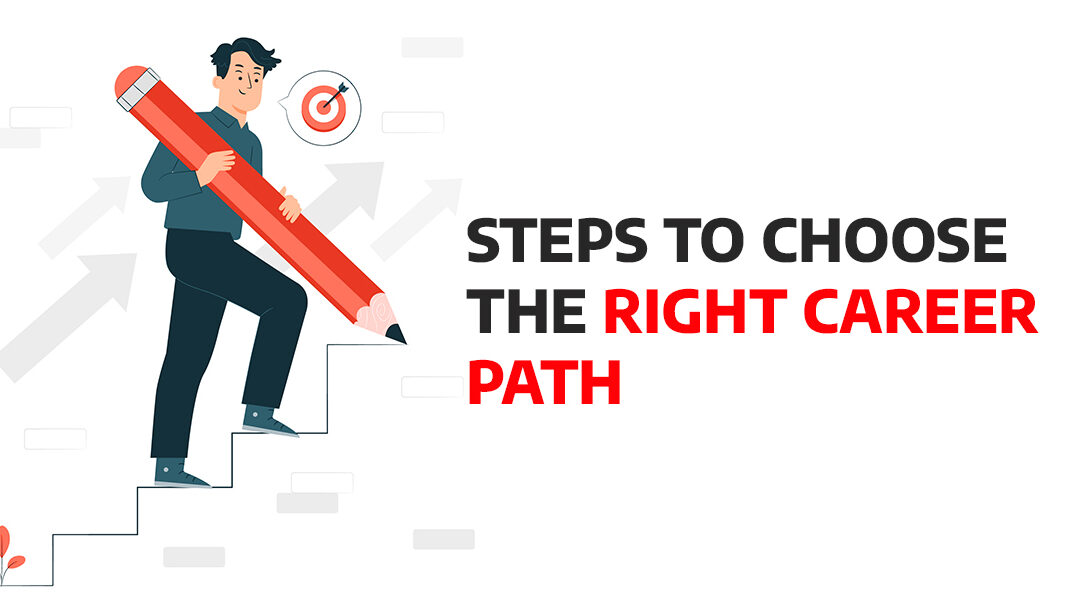
    Choosing a career after school—it’s one of those decisions that feels huge, doesn’t it? Everyone expects you to have it all figured out, but truthfully, most students are unsure. Some follow friends’ choices. Others pick what sounds “safe” or high-paying. But the right career isn’t just about money or prestige—it’s about matching your skills, interests, and values with a path that can sustain your growth and happiness.

    Understand Yourself First

    Before exploring careers, take a step back. Who are you? What are you good at? What do you enjoy? These questions might seem obvious, but most students skip them. Make a list: your strengths, your weaknesses, your hobbies, things that energize you.

    It helps to ask family, friends, or teachers too—they often notice talents you might overlook. Self-awareness is the first step to making an informed decision. You can’t pick the right path if you don’t know yourself.

    Explore Different Options

    It’s easy to get stuck thinking there’s only one path: doctor, engineer, lawyer, etc. But the world is huge, and careers are diverse. Take time to research industries, roles, and emerging opportunities. Talk to professionals, attend webinars, or even try online internships.

    Exploration also means understanding day-to-day realities. What does a software developer do all day? What’s a typical day like for a journalist? Reading job descriptions is one thing; experiencing or observing the work is another. It helps you see if a career aligns with your interests.

    Consider Your Skills and Strengths

    Choosing a career isn’t just about what you like—it’s also about what you’re good at. Maybe you love writing, but do you have the patience for long research projects? Maybe you enjoy science, but your strengths are in creativity rather than data analysis.

    Make a realistic assessment. It’s not about self-doubt, it’s about aligning natural abilities with career demands. Skills can be learned, yes—but starting with a foundation makes the journey smoother.

    Think About Values and Lifestyle

    Money isn’t everything. Lifestyle matters. Do you want a job with flexible hours, or are you okay with a 9-to-5? Do you want to travel? Work in a team or independently? Consider long-term implications. A career that pays well but clashes with your personal values or lifestyle might lead to dissatisfaction.

    Ask yourself what success really means to you. Is it status, stability, impact, or freedom? Your career should support your life, not control it.

    Try Internships and Part-Time Work

    Nothing teaches you about a career better than experience. Internships, part-time jobs, volunteering—these give insights you can’t get from websites or brochures. Even short stints can reveal what you enjoy and what you don’t.

    Don’t worry if your first experiences aren’t perfect. They’re experiments, learning opportunities. Sometimes, knowing what you don’t like is as valuable as knowing what you do.

    Seek Guidance

    Mentors, teachers, career counselors, or professionals in the field can provide perspectives you might miss. They’ve walked the path, made mistakes, and learned lessons. Ask questions, listen to advice, but don’t blindly follow it. Ultimately, it’s your life and your decision.

    Guidance is a compass, not a map. Use it to point you in directions worth exploring, not to dictate the path.

    Be Open to Change

    Here’s the reality: very few people stick to their first career choice forever. Interests evolve, industries change, and opportunities emerge. Don’t feel trapped. Choosing a career is important, but it’s not permanent. Skills, adaptability, and willingness to learn matter more than picking the “perfect” job at 18.

    A flexible mindset reduces pressure. You can start somewhere, gain experience, and pivot if needed. Many top professionals switched careers multiple times before finding their niche.

    Final Thought

    Choosing the right career path after school is a balance between self-awareness, research, practical experience, and reflection. Understand your strengths and interests, explore options, gain exposure, consider your values, and seek guidance. And remember—change is okay. Life isn’t linear.

    Your first choice doesn’t have to define you forever. What matters is making a thoughtful decision based on who you are now, and being open to growth and opportunities ahead. Focus on learning, exploring, and building skills—everything else will follow.

  • How to Use Visualization for Motivation and Success

    How to Use Visualization for Motivation and Success

    You’ve probably heard it before — “see it, believe it, achieve it.” Sounds cliché, right?
    But here’s the thing — visualization works. Not because it’s some magical trick or a motivational buzzword. It works because your brain doesn’t really know the difference between something vividly imagined and something that’s actually happening.

    The Science Behind Visualization

    Let’s start there — the science.
    When you visualize an event or a goal, the same neural pathways in your brain light up as they do when you’re physically performing the action. Athletes have used this for decades. Olympic runners “see” the race in their mind before they even set foot on the track. Basketball players mentally rehearse free throws.

    A famous study at the University of Chicago had participants practice free throws in three different ways:

    • One group practiced physically.
    • One group only visualized practicing.
    • The last group did nothing.

    After 30 days, the visualization group improved almost as much as the group that practiced physically. That’s wild — but it’s real neuroscience at work.

    So, yeah. Visualization isn’t “woo-woo.” It’s literally training your brain to expect success.

    Why Visualization Boosts Motivation

    Motivation often fades because the goal feels distant, maybe even impossible.
    Visualization bridges that gap. It lets your brain experience success before it happens — and that creates emotional momentum. You start to feel the satisfaction, the pride, the calm confidence. And suddenly, that next step? Not so hard anymore.

    Think of it as mental fuel.
    When your mind “sees” progress, your body naturally wants to move toward it. You start aligning your choices, your habits, and even your mood with that mental image.

    How to Practice Visualization the Right Way

    Alright, here’s the part most people skip. Visualization isn’t just “daydreaming.”
    There’s a method to doing it effectively — a way to make it stick and actually influence your behavior.

    Here’s how:

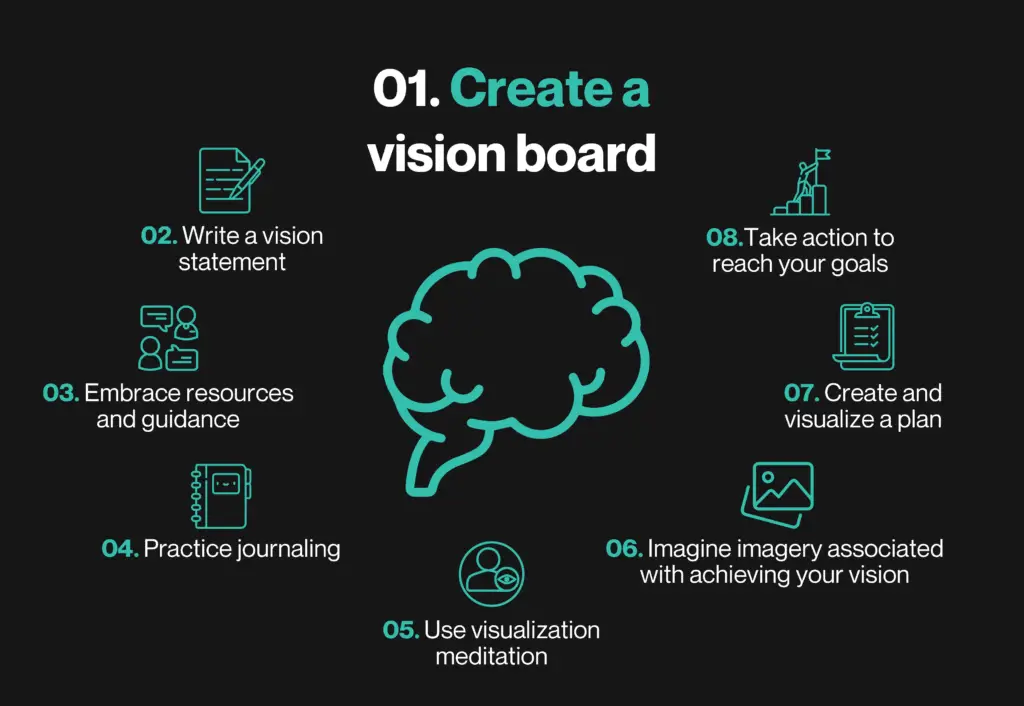
    1. Get Specific

    Don’t just imagine “being successful.” That’s too vague.
    Picture the details — what does success look like for you?
    See the environment, the sounds, even the smell of the room.
    Are you standing on stage giving a talk? Closing your laptop after hitting your monthly target?
    Make it vivid. Make it emotional.

    2. Engage All Your Senses

    The more sensory detail, the better.
    Visualize the weight of the pen in your hand. The tone of your voice. The heartbeat in your chest.
    When all your senses join in, your brain treats it as a lived experience — not just a thought.

    3. Feel the Emotion

    Emotion is the glue that makes visualization stick.
    You have to feel it — the pride, the relief, the joy.
    When you emotionally connect to your vision, it stops being abstract. It becomes personal, tangible.

    4. Rehearse Daily

    Do it every day — even for five minutes.
    Right after waking up or before sleeping works best.
    Consistency matters more than duration.
    Over time, these daily “mental movies” rewire your subconscious patterns. You’ll notice your focus sharpening, your habits aligning, your confidence growing.

    5. Pair Visualization with Action

    This part is key. Visualization is not a substitute for action — it’s a primer for it.
    Use it to set your mindset, not to replace hard work.
    Think of it as mentally “warming up” before stepping onto the field of your day.
    Visualize and act. That’s the real formula.

    Common Mistakes People Make

    Let’s be real — people often misuse visualization.
    Here are a few traps to avoid:

    • Only imagining the end result. You should also visualize the process — the grind, the effort, the obstacles. See yourself handling challenges with resilience.
    • Doing it passively. Visualization requires focus, not mindless wandering.
    • Expecting instant magic. It’s a practice. Like exercise, the benefits compound over time.

    Examples from the Real World

    Elite performers use visualization daily.
    Michael Phelps, the Olympic swimmer, mentally rehearsed every stroke, every turn, even the sound of the water splashing. He practiced seeing himself win.
    When his goggles filled with water during an Olympic final, he didn’t panic — because he’d already “seen” that scenario dozens of times in his mind.
    He finished first.

    Same goes for entrepreneurs, writers, and even surgeons. Visualization builds familiarity. It reduces anxiety. It creates a calm sense of “I’ve been here before.”

    Using Visualization for Everyday Success

    You don’t have to be an athlete or CEO to use it.
    Try this:

    • Before a meeting, visualize it going smoothly. See yourself speaking clearly and confidently.
    • Before a workout, picture finishing strong.
    • Before a big decision, visualize making the choice calmly and wisely.

    Even small moments add up. The more you train your brain to see success, the more natural it becomes to be successful.

    Final Thoughts

    Visualization isn’t about fantasy. It’s about programming your mind for focus and emotional readiness.
    You’re creating a mental blueprint — and your actions naturally follow that design.

    When you practice it with intention and emotion, you stop doubting so much.
    You start expecting good things — and strangely enough, good things start showing up.See it.
    Feel it.
    Then go make it real.

  • How to Study Smarter, Not Harder

    How to Study Smarter, Not Harder

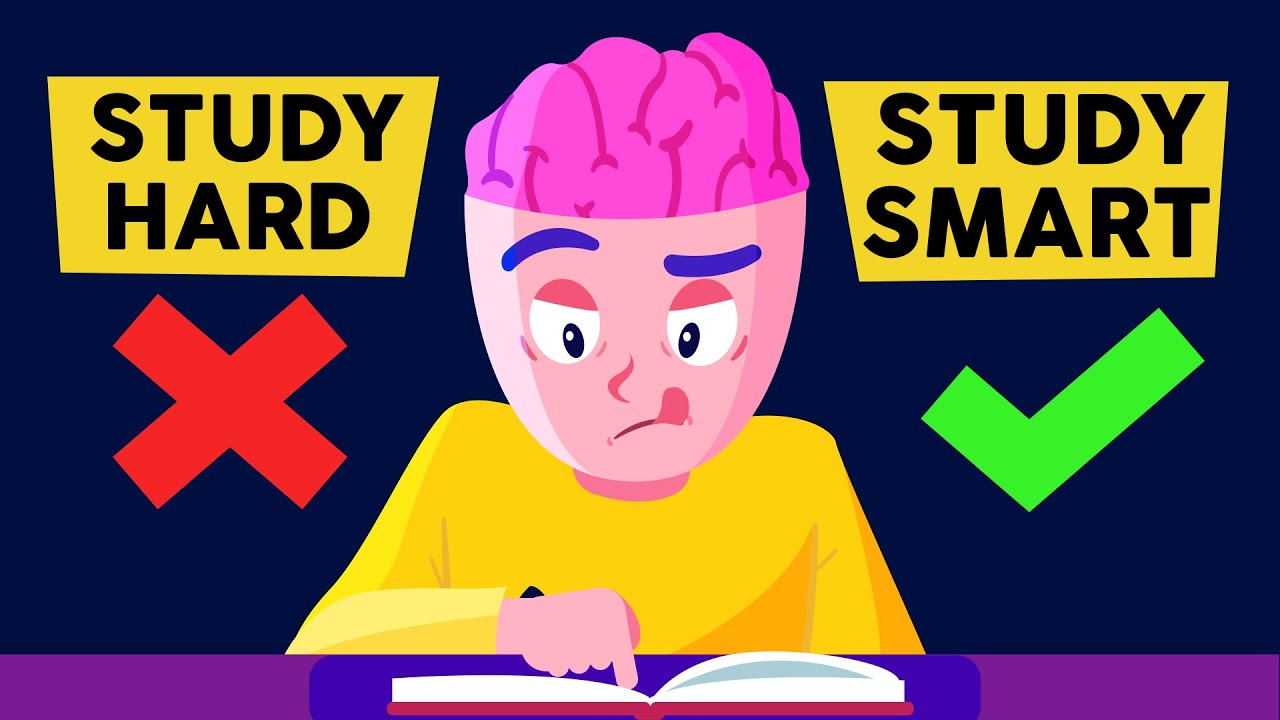
    Studying. Most students think it’s all about the hours you put in. Stay up late, memorize everything, panic before exams. But here’s the truth: it’s not about studying harder, it’s about studying smarter. Working endlessly without strategy usually leads to burnout, forgetfulness, and stress. Smarter studying focuses on efficiency, understanding, and retention.

    Understand, Don’t Memorize

    First thing—stop trying to memorize everything. Rote memorization might help you remember facts for a few hours, but it doesn’t stick long-term. Instead, aim to understand the concepts. Ask yourself: why does this matter? How does it connect to other topics?

    When you understand material, you can recall it easily, explain it in your own words, and apply it to new problems. That’s what top students do—they don’t just know; they understand.

    Active Learning Over Passive Reading

    Reading textbooks or notes passively feels productive, but it isn’t. Active learning is where the magic happens. Summarize information in your own words, ask questions, create flashcards, make diagrams. Teach the topic to an imaginary friend or even a pet. If you can explain it simply, you know it well.

    Active learning also reveals gaps in your knowledge. Passive reading might make you think you know something, but during exams, those gaps show up.

    Use the Pomodoro Technique

    Long study sessions without breaks are brutal. Your brain gets tired, focus drops, and productivity plummets. The Pomodoro technique helps. Study for 25–50 minutes, then take a 5–10 minute break. After 3–4 cycles, take a longer break.

    Short breaks prevent burnout and keep your mind sharp. It also creates a sense of urgency, making your study time more effective. Studying smarter isn’t about sitting longer; it’s about making each minute count.

    Prioritize Tasks

    Not all tasks are equal. Some chapters, topics, or assignments carry more weight. Focus on what’s important first. Use a priority list or schedule to tackle high-value tasks before low-value ones.

    Also, chunk your study sessions. Instead of cramming 10 chapters at once, break them into smaller, manageable portions. It’s less overwhelming, and your brain retains information better when spaced out.

    Practice Retrieval

    Tests aren’t about seeing if you can read fast—they test recall. Practice retrieval by testing yourself regularly. Close your notes and write down what you remember. Use flashcards or answer past papers.

    Retrieval strengthens memory and builds confidence. The more you recall, the easier it is to remember later. Studying smarter is less about reviewing endlessly and more about actively recalling what you’ve learned.

    Make Connections

    Brains love connections. Don’t study topics in isolation. Relate new information to things you already know. Draw diagrams linking concepts, make mind maps, or create analogies.

    Connecting ideas helps you understand patterns, not just facts. It also makes retrieval easier during exams. You’re not just memorizing; you’re creating a network of knowledge your brain can navigate effortlessly.

    Take Care of Yourself

    Studying smarter includes taking care of your body and mind. Sleep is non-negotiable. A tired brain cannot focus or retain information. Nutrition matters too—skip the junk and drink water. Exercise, even short walks, boosts energy and clears your mind.

    Stress management is part of smart studying. Techniques like deep breathing, mindfulness, or even quick stretches during study breaks keep anxiety in check. A calm mind learns faster.

    Review and Reflect

    Top students don’t just finish material and move on. They review and reflect. Revisit notes regularly, test yourself, and revise weak areas. Reflection helps you identify what works, what doesn’t, and how to adjust your strategy.

    Studying smarter is iterative. You don’t need to grind endlessly; you need to tweak methods, focus on weak spots, and continuously improve.

    Final Thought

    Studying smarter, not harder, is about efficiency, understanding, and strategy. Focus on understanding, use active learning, prioritize tasks, take breaks, practice retrieval, make connections, and take care of your mind and body.

    Hard work alone won’t get the best results. Smart work, consistent effort, and self-awareness will. You’ll not only retain more information but also reduce stress and make study time more productive. Learning doesn’t have to be a battle—it can be smart, focused, and even a little enjoyable. Step back, plan well, and study with intention. The results will speak for themselves.