Author: admin

  • Electric Vehicles (EVs) & Future Transport: The Road to a Cleaner, Smarter World

    Electric Vehicles (EVs) & Future Transport: The Road to a Cleaner, Smarter World

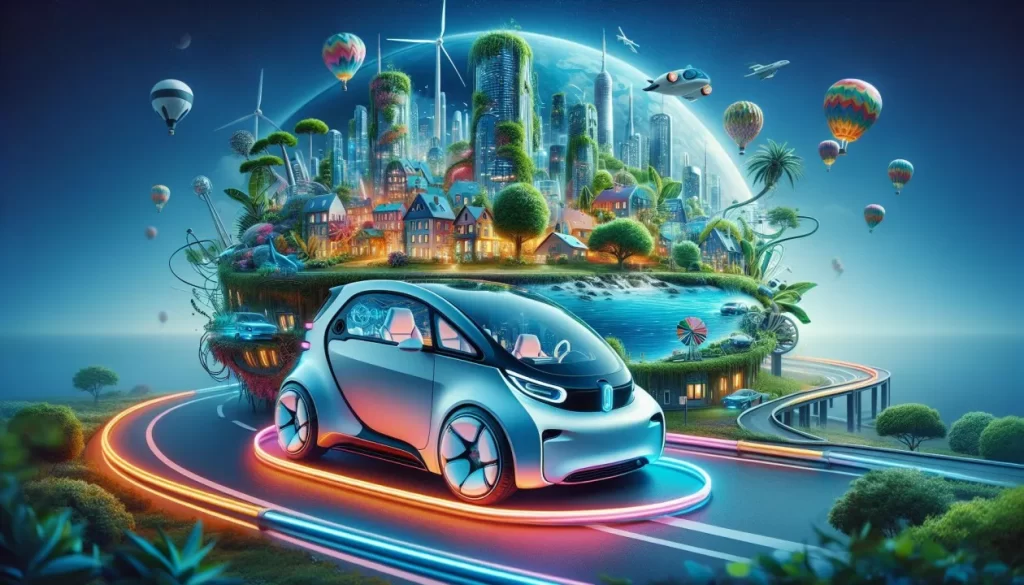
    The global transportation industry is undergoing a massive transformation, and electric vehicles (EVs) are at the center of this change. As concerns about climate change, fuel costs, and environmental sustainability continue to grow, EVs are emerging as a practical and forward-thinking solution. From personal cars to public transportation systems, the shift toward electric mobility is shaping the future of how people and goods move across the world.

    What Are Electric Vehicles?

    Electric vehicles are automobiles powered by electricity instead of traditional fossil fuels like petrol or diesel. They use rechargeable batteries and electric motors, which produce zero tailpipe emissions. This makes EVs a cleaner alternative to conventional vehicles, helping reduce air pollution and greenhouse gas emissions.

    There are several types of EVs, including:

    • Battery Electric Vehicles (BEVs), which run entirely on electricity
    • Plug-in Hybrid Electric Vehicles (PHEVs), which combine electricity with a fuel engine
    • Hybrid Electric Vehicles (HEVs), which use both systems but do not require external charging

    Why Electric Vehicles Are Trending Globally

    The rise of electric vehicles is not just a trend—it’s a global movement. Governments, businesses, and consumers are all contributing to the rapid adoption of EVs. One major reason is the urgent need to combat climate change. Transportation is one of the largest sources of carbon emissions, and switching to electric mobility significantly reduces environmental impact.

    Another key factor is the rising cost of fuel. EVs offer a more cost-effective alternative in the long run, as electricity is generally cheaper than petrol or diesel. Additionally, EVs have fewer moving parts, which means lower maintenance costs.

    Technological advancements are also driving the popularity of EVs. Modern electric cars offer longer battery life, faster charging, and improved performance. Many EVs now have ranges comparable to traditional vehicles, making them more practical for everyday use.

    The Role of Governments and Policies

    Governments around the world are actively promoting electric vehicles through incentives and regulations. These include tax benefits, subsidies, and investments in charging infrastructure. Some countries have even announced plans to phase out internal combustion engine vehicles in the coming decades.

    Such policies are encouraging both manufacturers and consumers to transition toward cleaner transportation options. As a result, many automotive companies are investing heavily in EV production and innovation.

    Future Transport: Beyond Electric Cars

    The future of transportation goes far beyond just electric cars. It includes a combination of advanced technologies designed to make mobility smarter, safer, and more efficient.

    1. Autonomous Vehicles:
    Self-driving cars are being developed to reduce human error and improve road safety. These vehicles use artificial intelligence, sensors, and cameras to navigate without human intervention.

    2. Smart Public Transport:
    Electric buses, trains, and shared mobility systems are becoming more common in urban areas. These systems aim to reduce traffic congestion and pollution while improving accessibility.

    3. Flying Vehicles and Urban Air Mobility:
    Although still in early stages, flying taxis and drones are being tested as part of future transport solutions. They could revolutionize travel in crowded cities.

    4. Connected Infrastructure:
    Future transport systems will rely on smart infrastructure, where vehicles communicate with traffic signals, roads, and other vehicles to optimize traffic flow and enhance safety.

    Challenges Facing Electric Vehicles

    Despite their advantages, electric vehicles still face some challenges. One of the biggest issues is charging infrastructure. In many regions, charging stations are not yet widely available, making long-distance travel difficult.

    Battery production and recycling also raise environmental and economic concerns. Additionally, the initial cost of EVs can be higher than traditional vehicles, although prices are gradually decreasing as technology improves.

    The Future Outlook

    The future of electric vehicles and transportation looks promising. As technology continues to evolve, EVs are expected to become more affordable, efficient, and accessible. Charging networks will expand, battery technology will improve, and new innovations will further enhance the driving experience.

    Businesses are also adapting to this shift by developing electric delivery fleets and sustainable logistics solutions. Meanwhile, consumers are becoming more environmentally conscious, driving demand for greener transportation options.

    Conclusion

    Electric vehicles are not just a temporary trend—they represent a fundamental shift in the way the world approaches transportation. With growing environmental awareness, supportive government policies, and rapid technological advancements, EVs are paving the way for a cleaner and smarter future.

    As we move forward, the integration of electric vehicles with autonomous technology, smart infrastructure, and innovative mobility solutions will redefine transportation as we know it. Embracing this change is essential for building a sustainable and efficient global transport system.


  • Online Learning & Skills in 2026: The Future of Education and Career Growth

    Online Learning & Skills in 2026: The Future of Education and Career Growth

    In 2026, online learning and skill development have become central to how people build their careers and adapt to a rapidly changing world. With the rise of digital platforms, flexible education, and emerging technologies, millions of learners are turning to online resources to gain new skills and stay competitive. From coding to digital marketing, the demand for practical, job-ready skills is at an all-time high.

    The Growth of Online Learning Platforms

    Online learning platforms have revolutionized education by making it accessible to everyone, regardless of location or financial background. Platforms like Coursera, Udemy, and edX offer thousands of courses across various fields.

    These platforms allow learners to study at their own pace, making education more flexible than traditional classroom settings. Whether someone is a student, a working professional, or a freelancer, online courses provide an opportunity to upskill without disrupting daily routines.

    Moreover, many of these platforms collaborate with top universities and companies, ensuring high-quality content and globally recognized certifications. This has increased trust in online education and encouraged more people to invest in skill development.

    High-Demand Skills in 2026

    The job market in 2026 is heavily influenced by technology, which has led to a surge in demand for digital skills. Some of the most popular skills include coding, data analysis, artificial intelligence, and cybersecurity.

    In particular, knowledge of tools like ChatGPT and other AI technologies has become highly valuable. These tools are not only used in tech industries but are also being integrated into marketing, customer service, and education.

    Digital marketing is another fast-growing field. Skills such as search engine optimization (SEO), social media management, and content creation are in high demand. Businesses are increasingly relying on online presence, which has created numerous opportunities for skilled professionals.

    Freelancing skills are also trending. Platforms like Fiverr and Upwork enable individuals to offer services globally. This has opened doors for people to earn online by leveraging their skills.

    The Role of Short Courses and Certifications

    Short courses and micro-certifications have become a popular choice for learners who want quick results. Unlike traditional degrees, these courses focus on specific skills and can be completed in a matter of weeks or months.

    Certifications from recognized platforms can enhance a person’s resume and improve job prospects. Employers are increasingly valuing practical skills over formal degrees, especially in fields like IT and digital marketing.

    Additionally, many companies now offer internal training programs and encourage employees to take online courses. This trend highlights the importance of continuous learning in today’s professional environment.

    Flexibility and Accessibility

    One of the biggest advantages of online learning is its flexibility. Learners can access course materials anytime, anywhere, using smartphones, tablets, or laptops. This is particularly beneficial for people in remote areas or those with busy schedules.

    Affordable pricing is another factor contributing to the popularity of online education. Many platforms offer free courses or financial aid, making learning accessible to a wider audience.

    Furthermore, online communities and discussion forums allow learners to interact with instructors and peers, creating a collaborative learning environment. This helps in better understanding and practical application of concepts.

    Challenges in Online Learning

    Despite its many benefits, online learning also comes with challenges. One of the main issues is the lack of discipline and motivation among learners. Without a structured environment, some individuals struggle to complete courses.

    Another concern is the credibility of certain certifications. While many platforms are reputable, not all courses are recognized by employers. Therefore, learners need to carefully choose the right platform and course.

    Additionally, the digital divide remains a challenge in some regions, where access to reliable internet and devices is limited.

    The Future of Skills and Education

    The future of education is closely tied to technology and innovation. Online learning is expected to become even more advanced with the integration of artificial intelligence, virtual reality, and personalized learning systems.

    AI-powered tools can analyze a learner’s progress and recommend customized study plans, making education more efficient. Virtual reality can provide immersive learning experiences, especially in fields like medicine and engineering.

    As industries continue to evolve, the demand for new skills will keep changing. This makes lifelong learning essential for career growth and stability.

    Conclusion

    Online learning and skill development have transformed the way people approach education in 2026. With the availability of flexible platforms, high-demand skills, and global opportunities, individuals now have more control over their learning journey.

    Whether it’s mastering a new technology, starting a freelance career, or improving job prospects, online education offers endless possibilities. As the digital world continues to grow, staying updated with the latest skills will be the key to success in the modern workforce.

  • Harvard University News 2026: Student Strike, Grading Debate, and the Future of Education

    Harvard University News 2026: Student Strike, Grading Debate, and the Future of Education

    In 2026, Harvard University is once again at the center of global education discussions. From a major graduate student strike to debates over grading policies and the growing influence of artificial intelligence, Harvard’s latest developments are shaping conversations across the academic world. These trending topics have not only impacted campus life but are also influencing higher education systems worldwide.

    Graduate Student Strike Shakes Harvard

    One of the biggest headlines surrounding Harvard University today is the ongoing graduate student strike. Thousands of graduate students have taken a stand, demanding higher wages, better benefits, and improved working conditions. These students play a crucial role in teaching undergraduate courses, grading assignments, and supporting research activities.

    The strike has significantly disrupted academic operations. Classes have been affected, grading timelines have been delayed, and some research projects have slowed down. This situation highlights the growing concerns among academic workers globally, as similar movements are being seen at other top universities.

    The Harvard strike is not just a local issue—it reflects a broader trend in higher education where graduate students are advocating for fair compensation and recognition of their contributions. As a result, keywords like “Harvard student strike 2026” and “graduate student protests” are trending in search engines.

    Controversy Over Grading System Changes

    Another major topic making headlines is Harvard’s proposed changes to its grading system. The university has been considering limiting the number of top grades awarded to students in an effort to address grade inflation. This proposal has sparked intense debate among students and faculty members.

    Supporters of the policy argue that grade inflation reduces the value of academic excellence and makes it harder to distinguish top-performing students. However, critics believe that restricting high grades could unfairly impact students’ academic records and future opportunities.

    Due to strong opposition, the implementation of this policy has been delayed. The discussion around grading reform at Harvard has become a key topic in global education forums, with many institutions closely watching the outcome.

    Artificial Intelligence and the Future of Learning

    The rise of artificial intelligence is another critical issue shaping Harvard’s education landscape. Tools like ChatGPT and other AI-powered platforms are transforming how students learn, complete assignments, and conduct research.

    Harvard’s leadership has acknowledged both the opportunities and challenges posed by AI. On one hand, AI can enhance learning experiences, provide personalized education, and improve research efficiency. On the other hand, it raises concerns about academic integrity, originality, and the future role of traditional teaching methods.

    Experts at Harvard have also warned about the risk of “brain drain,” where talented individuals may move to countries or institutions offering better opportunities in AI and technology. This has sparked discussions about how universities can remain competitive in an increasingly digital world.

    Scholarships and Academic Achievements

    Despite the challenges, Harvard continues to celebrate academic excellence. Students from the university have recently been awarded prestigious scholarships, including the highly competitive Gates Cambridge Scholarship.

    Such achievements highlight Harvard’s ongoing commitment to nurturing talent and maintaining its reputation as one of the world’s leading educational institutions. These success stories provide a positive contrast to the current controversies and challenges.

    Cybersecurity Concerns in Higher Education

    In addition to academic and policy issues, Harvard has also raised concerns about cybersecurity. Reports of phishing attacks and hackers impersonating university staff have prompted warnings to students and faculty members.

    This issue underscores the importance of digital security in modern education systems. As universities increasingly rely on online platforms for learning and administration, protecting sensitive data has become a top priority.

    Global Impact of Harvard’s Developments

    The events at Harvard University are being closely followed by educators, policymakers, and students around the world. As one of the most influential institutions in higher education, Harvard often sets trends that other universities adopt or respond to.

    The graduate student strike, grading policy debate, and AI integration are not isolated issues—they reflect broader challenges facing the global education system. From labor rights to technological advancements, these topics are shaping the future of learning.

    Conclusion

    The latest news from Harvard University in 2026 highlights a period of transformation and uncertainty in higher education. With a major student strike, ongoing grading debates, and the rapid rise of artificial intelligence, Harvard is navigating complex challenges that have far-reaching implications.

    As these issues continue to evolve, they will likely influence policies and practices at universities worldwide. For students, educators, and researchers, keeping an eye on Harvard’s developments is essential for understanding the future of education.

  • Barcelona vs Real Madrid: The Ultimate El Clásico Rivalry in Football

    Barcelona vs Real Madrid: The Ultimate El Clásico Rivalry in Football

    Few rivalries in world football match the intensity, history, and global appeal of FC Barcelona vs Real Madrid CF. Known as El Clásico, this iconic clash is more than just a game—it’s a spectacle that unites and divides millions of fans worldwide. From legendary players to unforgettable moments, El Clásico continues to dominate football headlines and SEO trends year after year.

    The History Behind El Clásico

    The rivalry between Barcelona and Real Madrid dates back to the early 20th century. Over time, it has evolved into one of the most-watched sporting events globally. Beyond football, this clash represents cultural and political differences, with Barcelona often symbolizing Catalan pride, while Real Madrid is historically associated with Spanish centralism.

    As both clubs grew in stature, their matches became increasingly competitive, attracting global audiences. Today, El Clásico is broadcast in over 180 countries, making it a key driver of football-related searches online.

    Legendary Players Who Defined the Rivalry

    El Clásico has featured some of the greatest footballers in history. Players like Lionel Messi, who spent most of his career at Barcelona, and Cristiano Ronaldo, Real Madrid’s goal-scoring machine, elevated the rivalry to new heights.

    Other legends such as Zinedine Zidane, Ronaldinho, and Xavi Hernández have also left lasting impacts. Their performances in El Clásico matches are still widely searched and discussed by fans and analysts alike.

    Recent Form and Modern-Day Stars

    In recent years, both teams have undergone transitions, introducing a new generation of talent. Barcelona has focused on young stars like Pedri and Gavi, while Real Madrid continues to shine with players like Vinícius Júnior and Jude Bellingham.

    These emerging talents have ensured that El Clásico remains relevant and exciting. Fans eagerly search for match previews, predictions, and highlights, making it a trending topic across platforms like Google, YouTube, and social media.

    Tactical Battles and Playing Styles

    One of the most fascinating aspects of El Clásico is the contrast in playing styles. Barcelona is traditionally known for its possession-based “tiki-taka” approach, emphasizing short passes and control. Real Madrid, on the other hand, often relies on pace, counter-attacks, and clinical finishing.

    This tactical contrast adds depth to every encounter, attracting not only fans but also analysts and SEO-driven sports content creators who break down strategies and key moments.

    Memorable El Clásico Moments

    Over the decades, El Clásico has delivered countless unforgettable moments. From last-minute goals to dramatic comebacks, these matches often define seasons. Iconic performances by Messi, Ronaldo, and others have generated millions of online searches and views.

    One of the most memorable games includes Barcelona’s 5-0 victory in 2010, while Real Madrid’s dominant wins have also left fans in awe. These historic matches continue to trend whenever El Clásico approaches.

    Global Impact and SEO Popularity

    El Clásico is not just a football match—it’s a global digital phenomenon. Keywords like “Barcelona vs Real Madrid live,” “El Clásico highlights,” and “match predictions” consistently rank high in search engines.

    The rivalry drives massive engagement on social media platforms, making it a goldmine for content creators, bloggers, and sports websites. From live commentary to post-match analysis, El Clásico dominates online conversations.

    Conclusion

    The rivalry between FC Barcelona and Real Madrid is timeless. With a rich history, legendary players, and modern-day stars, El Clásico continues to captivate football fans around the world. Whether you’re watching for the passion, the tactics, or the drama, one thing is certain—this is football at its finest.

    As long as these two giants compete, El Clásico will remain a top trending topic, both on the pitch and in the digital world.

  • Artificial Intelligence in Education: The Future of Learning

    Artificial Intelligence in Education: The Future of Learning

    The rise of Artificial Intelligence is transforming nearly every industry, and education is one of the most affected fields. Artificial Intelligence in Education is no longer just a future concept; it is actively changing how students learn, how teachers teach, and how institutions operate. From smart classrooms to personalized learning systems, AI is reshaping the entire education ecosystem.

    What is Artificial Intelligence in Education?

    Artificial Intelligence in Education refers to the use of intelligent computer systems that can perform tasks such as learning, analyzing, and decision-making to improve the educational experience. These systems are designed to support students and teachers by making learning more efficient, personalized, and accessible.

    AI is now used in schools, colleges, and online platforms to analyze student performance, recommend study materials, and provide real-time feedback.

    Personalized Learning Experience

    One of the biggest advantages of Artificial Intelligence in education is personalized learning. Every student has a different learning speed, understanding level, and academic strength. Traditional classrooms often cannot meet these individual needs.

    AI solves this problem by:

    • Tracking student progress
    • Identifying weak areas
    • Suggesting customized lessons and practice exercises

    This allows students to learn at their own pace, which improves understanding and performance. Personalized learning is becoming one of the most important trends in modern education systems.

    AI as a Virtual Teacher

    Artificial Intelligence is also being used as a virtual teacher through chatbots and digital assistants. These systems can answer student questions, explain difficult concepts, and provide guidance anytime.

    Platforms like Duolingo already use AI to teach languages in an interactive way. AI tutors are especially useful for students who do not have access to quality teachers or coaching centers. They provide 24/7 learning support, making education more flexible and accessible.

    Smart Classrooms and Automation

    Modern education is moving toward smart classrooms powered by Artificial Intelligence. AI helps reduce the workload of teachers by automating many tasks such as grading, attendance, and performance tracking.

    AI systems can:

    • Automatically grade exams and assignments
    • Track attendance using digital systems
    • Analyze student performance data

    This allows teachers to focus more on teaching and mentoring students instead of spending time on repetitive administrative work.

    Online Learning Revolution

    Online learning platforms such as Coursera and Udemy are using Artificial Intelligence to improve education delivery. AI helps these platforms recommend relevant courses based on student interests and learning behavior.

    AI also enhances online education by:

    • Creating personalized learning paths
    • Designing adaptive quizzes
    • Improving engagement through smart recommendations

    This has made education more flexible, allowing students to learn from anywhere in the world.

    Benefits of Artificial Intelligence in Education

    Artificial Intelligence offers several key benefits in education:

    1. Improved learning outcomes through personalized teaching methods
    2. Time-saving for teachers due to automation of tasks
    3. Increased accessibility for students in remote areas
    4. Continuous learning support through digital tools

    These benefits make education more efficient and inclusive.

    Challenges of AI in Education

    Despite its advantages, Artificial Intelligence in education also presents several challenges:

    • Data privacy concerns related to student information
    • Over-reliance on technology by students
    • High implementation costs for advanced AI systems
    • Need for teacher training to effectively use AI tools

    These challenges must be addressed to ensure balanced and effective use of AI in education.

    Future of Artificial Intelligence in Education

    The future of education will likely involve a combination of human teachers and Artificial Intelligence working together. AI will handle repetitive tasks, while teachers will focus on creativity, emotional support, and critical thinking development.

    In the coming years, we may see:

    • Fully AI-powered smart classrooms
    • Virtual reality-based learning environments
    • Real-time translation in global classrooms
    • Personalized AI tutors for every student

    Conclusion

    Artificial Intelligence is revolutionizing education by making learning smarter, faster, and more personalized. While challenges exist, the benefits are significant. With proper implementation, AI has the potential to make quality education accessible to everyone, regardless of location or background.

    The future of education will not be defined by traditional methods alone but by the intelligent integration of technology and human teaching.

  • Deadpool 3: Marvel’s Most Anticipated Multiverse Blockbuster

    Deadpool 3: Marvel’s Most Anticipated Multiverse Blockbuster

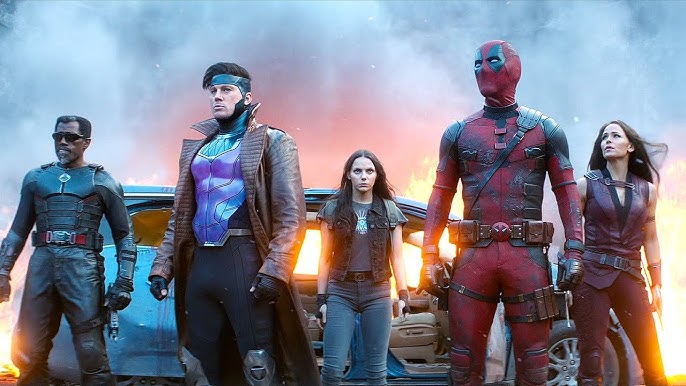
    The upcoming Deadpool 3 is easily one of the most anticipated Hollywood releases in recent years. Known for its bold humor, action-packed storytelling, and R-rated edge, the Deadpool franchise has always stood apart from traditional superhero films. With the third installment, expectations are even higher as it promises to redefine the superhero genre once again.

    The Return of Deadpool

    Fans are thrilled to see Deadpool back on the big screen, portrayed by Ryan Reynolds. His unique blend of sarcasm, fourth-wall-breaking humor, and chaotic action has made Deadpool one of the most beloved characters in modern cinema.

    Unlike most Marvel heroes, Deadpool is unpredictable, often mocking not only villains but also the superhero genre itself. This self-aware style is expected to be a major highlight once again in Deadpool 3.

    A Game-Changing Multiverse Story

    One of the biggest reasons behind the hype is the film’s connection to the multiverse concept. Following the success of multiverse storytelling in the Marvel Cinematic Universe, Deadpool 3 is expected to take things to another level.

    Rumors and trailers suggest that the film will include multiple timelines, unexpected crossovers, and surprising character appearances. This approach opens the door for creative storytelling and gives fans a chance to see interactions that were previously impossible.

    Wolverine Joins the Action

    Perhaps the most exciting aspect of Deadpool 3 is the return of Wolverine, played by Hugh Jackman. After previously saying goodbye to the role, Jackman’s comeback has created massive buzz among fans worldwide.

    The dynamic between Deadpool and Wolverine is expected to be one of the film’s biggest strengths. Their contrasting personalities—Deadpool’s humor and Wolverine’s seriousness—promise both intense action and hilarious moments.

    Marvel Studios and a New Direction

    Produced by Marvel Studios, Deadpool 3 marks a significant step as it fully integrates the character into the Marvel Cinematic Universe (MCU). This transition is important because it allows Deadpool to interact with other major Marvel characters while still maintaining his unique identity.

    Marvel has also confirmed that the film will retain its R-rated tone, which is crucial for preserving what makes Deadpool special. This decision shows the studio’s willingness to experiment and cater to a more mature audience.

    Action, Comedy, and Visual Spectacle

    Deadpool 3 is expected to deliver a perfect mix of action, comedy, and high-quality visual effects. From explosive fight sequences to witty dialogue, the film aims to keep audiences entertained from start to finish.

    The combination of intense action scenes and humor has always been a defining feature of the franchise. With a bigger budget and expanded storyline, the third installment is likely to raise the bar even higher.

    Why Deadpool 3 Is Trending

    There are several reasons why Deadpool 3 is dominating online trends and discussions:

    • The return of fan-favorite characters
    • Integration into the MCU
    • The multiverse storyline
    • The comeback of Wolverine
    • High expectations from previous films

    Fans are eagerly waiting to see how the film balances its comedic roots with a larger, more complex narrative.

    Global Expectations and Box Office Potential

    Given the massive popularity of the previous films, Deadpool 3 is expected to perform exceptionally well at the global box office. The combination of star power, strong fan base, and Marvel branding makes it one of the biggest releases of the year.

    Streaming platforms and social media are already filled with theories, leaks, and fan discussions, further boosting its popularity even before release.

    Final Thoughts

    Deadpool 3 is more than just another superhero movie—it represents a bold step forward for Marvel and the genre as a whole. With its unique tone, exciting cast, and ambitious storyline, it has all the ingredients of a blockbuster hit.

    As the release date approaches, anticipation continues to grow. Whether it’s the humor, the action, or the multiverse chaos, one thing is certain: Deadpool 3 is set to deliver an unforgettable cinematic experience.

  • The Boys Season 5: The Darkest and Most Explosive Chapter Yet

    The Boys Season 5: The Darkest and Most Explosive Chapter Yet

    The highly anticipated The Boys Season 5 has finally arrived, and it is already dominating global streaming charts. Known for its brutal storytelling, sharp political satire, and shocking twists, the series continues to push boundaries in ways few superhero shows dare to attempt. With higher stakes, deeper character arcs, and intense action, Season 5 is shaping up to be the most explosive installment yet.

    A New Level of Chaos and Power

    Season 5 picks up right after the dramatic events of Season 4, where power struggles between superheroes (or “Supes”) and ordinary humans reached a boiling point. At the center of it all remains Homelander, whose unstable personality and growing dominance make him more dangerous than ever.

    Unlike traditional superhero narratives, The Boys flips the genre by portraying superheroes as flawed, corrupt, and often terrifying figures. This season takes that concept even further, exploring what happens when unchecked power meets a world already on the edge.

    Darker Themes and Real-World Parallels

    One of the biggest reasons behind the success of The Boys is its ability to mirror real-world issues. Season 5 dives deeper into themes like political manipulation, media control, and corporate greed. The fictional company Vought International continues to play a central role, showcasing how powerful organizations can shape public opinion and maintain control.

    The show doesn’t shy away from controversy. Instead, it embraces it—using dark humor and intense storytelling to highlight uncomfortable truths. This bold approach is exactly what keeps audiences hooked and talking.

    Character Development at Its Peak

    Season 5 is not just about action—it also focuses heavily on character development. Billy Butcher faces some of his toughest decisions yet, as his personal motivations clash with the greater good. His internal struggle adds emotional depth to the story, making him one of the most compelling characters in the series.

    Meanwhile, other fan-favorite characters also receive significant screen time, with their backstories and motivations explored in greater detail. This balance between action and emotion is a key factor in the show’s ongoing popularity.

    Bigger Action, Better Visuals

    From intense fight scenes to shocking moments that leave viewers speechless, Season 5 raises the bar in terms of production quality. The visual effects are more refined, and the action sequences are more creative than ever before.

    However, what truly sets The Boys apart is not just its action—but how it uses those moments to drive the story forward. Every explosion, every confrontation, and every twist serves a purpose, keeping viewers fully engaged from start to finish.

    Streaming Success and Global Impact

    Available exclusively on Amazon Prime Video, The Boys Season 5 has quickly become one of the most-watched shows of 2026. Its global appeal lies in its unique storytelling style, which combines superhero action with mature themes and social commentary.

    The weekly episode release strategy has also helped maintain hype, with fans eagerly waiting for each new installment. Social media platforms are filled with discussions, theories, and reactions, making it a true cultural phenomenon.

    Why The Boys Season 5 Is Trending

    Several factors contribute to the massive success of Season 5:

    • A bold and unpredictable storyline
    • Complex, morally grey characters
    • High-quality production and visuals
    • Strong social and political commentary

    In a time when many superhero shows feel repetitive, The Boys stands out by taking risks and challenging expectations.

    Final Thoughts

    The Boys Season 5 proves that the series is far from losing its edge. Instead, it continues to evolve, delivering content that is both entertaining and thought-provoking. With its mix of action, drama, and satire, it remains one of the most relevant and talked-about shows in modern television.

    As the season unfolds, one thing is certain: viewers can expect even more shocking twists, intense moments, and unforgettable scenes. Whether you’re a long-time fan or new to the series, Season 5 is a must-watch that redefines what a superhero show can be.

  • No US-Iran peace talks in sight, but Islamabad maintains security lockdown

    No US-Iran peace talks in sight, but Islamabad maintains security lockdown

    Islamabad, the capital of Pakistan, remains under a strict security lockdown despite no clear confirmation of imminent peace talks between the United States and Iran. The situation highlights the uncertainty surrounding ongoing diplomatic efforts and the significant impact of global geopolitics on local populations.

    Islamabad Under Heavy Security Lockdown

    For nearly a week, authorities in Islamabad have enforced tight security measures across key parts of the city. Major roads leading into the capital have been closed, while sensitive government zones, including the Red Zone, are under strict surveillance. Public transportation services have been suspended, and checkpoints have been established across multiple entry and exit points.

    The lockdown is part of Pakistan’s preparations to host potential peace talks between the United States and Iran. However, despite these extensive arrangements, there is still no confirmation that the talks will actually take place. Officials say they remain ready to facilitate discussions at short notice, but uncertainty continues to dominate the situation.

    Delayed Diplomacy and Uncertain Negotiations

    The expected negotiations are seen as crucial in reducing tensions between Washington and Tehran. However, both sides appear divided on key issues, delaying any formal engagement. Reports suggest that even though diplomatic channels remain open, no direct meeting has been scheduled so far.

    This is not the first time Islamabad has been placed under lockdown for such talks. Earlier in April, the city was sealed off for a previous round of negotiations, which ultimately ended without a breakthrough. Authorities briefly lifted restrictions after that round failed, only to reimpose them again in anticipation of another attempt at dialogue.

    Impact on Daily Life and Economy

    The prolonged lockdown has significantly disrupted daily life in Islamabad. Residents are facing difficulties commuting due to the suspension of public transport and closure of major roads. Markets in commercial areas are either closed or experiencing shortages of essential goods, including fruits and vegetables.

    Businesses, especially small retailers and food outlets, are suffering financial losses due to reduced customer flow and supply chain disruptions. Many daily wage workers are struggling to earn a living as economic activity slows down across the city.

    Additionally, the uncertainty surrounding the duration of the lockdown has added to public frustration. Citizens are unsure when normal life will resume, as authorities continue to maintain a state of readiness for talks that have yet to materialize.

    Pakistan’s Role as a Mediator

    Pakistan has positioned itself as a key mediator between the United States and Iran, aiming to facilitate dialogue and reduce regional tensions. Hosting such high-level talks reflects Islamabad’s strategic importance in global diplomacy and its efforts to play a constructive role in international peacebuilding.

    Despite the current uncertainty, Pakistani officials remain optimistic that negotiations could take place. Diplomatic efforts are ongoing, with backchannel communications reportedly continuing between the involved parties.

    Global Implications of the Stalemate

    The delay in US-Iran peace talks has broader implications beyond Pakistan. Rising tensions between the two countries have already affected global oil markets and regional stability. The absence of dialogue increases the risk of further escalation, which could have serious economic and security consequences worldwide.

    International stakeholders are closely monitoring the situation, urging both sides to return to the negotiating table. The potential for renewed talks remains, but the lack of clarity continues to raise concerns.

    Conclusion

    The ongoing lockdown in Islamabad underscores the far-reaching impact of international diplomacy on local communities. While Pakistan remains prepared to host US-Iran peace talks, the absence of confirmed negotiations has left the city in a state of uncertainty.

    As global attention remains focused on the evolving situation, the hope for dialogue and de-escalation persists. However, until concrete steps are taken toward negotiations, Islamabad—and the wider region—will continue to face the consequences of diplomatic delays.

  • EU Approves €90 Billion Loan for Ukraine and Imposes Fresh Russia Sanctions

    EU Approves €90 Billion Loan for Ukraine and Imposes Fresh Russia Sanctions

    The European Union has taken a major step in its ongoing support for Ukraine by approving a massive €90 billion financial package, alongside introducing a new round of sanctions against Russia. This significant development marks a turning point in the geopolitical landscape, reinforcing Europe’s commitment to Ukraine while increasing pressure on Moscow amid the continuing conflict.

    A Landmark Financial Package

    The €90 billion loan approved by the European Union represents one of the largest financial aid packages in the bloc’s history. The funding is designed to stabilize Ukraine’s economy, support reconstruction efforts, and ensure the functioning of essential government services during a time of war.

    Ukraine has faced severe economic challenges since the conflict escalated, including infrastructure destruction, disrupted trade, and declining revenues. This financial assistance aims to prevent economic collapse and provide the Ukrainian government with the resources needed to maintain stability.

    European leaders emphasized that the package is not just about financial aid but also about long-term resilience. The funds are expected to be distributed over a period of time, ensuring sustained support rather than a one-time injection.

    Strengthening Support for Ukraine

    The EU’s decision sends a strong political message of solidarity with Ukraine. By committing such a substantial amount, European nations are signaling that they are prepared to stand by Ukraine for the long haul.

    This move also reflects growing concerns within Europe about regional security. A stable Ukraine is seen as essential for maintaining balance and preventing further escalation of conflict in Eastern Europe.

    In addition to financial aid, EU countries continue to provide humanitarian assistance, military support, and diplomatic backing. The combined efforts aim to strengthen Ukraine’s position both on the battlefield and in international negotiations.

    New Sanctions on Russia

    Alongside the financial package, the European Union has introduced a fresh round of sanctions targeting Russia. These measures are part of a broader strategy to weaken Russia’s economic and military capabilities.

    The new sanctions reportedly focus on key sectors such as energy, banking, and defense. Restrictions on exports, financial transactions, and access to international markets are intended to increase pressure on the Russian government.

    European officials argue that sanctions are a necessary tool to hold Russia accountable and to discourage further aggression. However, they also acknowledge that sanctions can have indirect effects on global markets, including energy prices and supply chains.

    Impact on Global Economy

    The EU’s latest actions are expected to have far-reaching economic consequences. Increased sanctions on Russia could lead to further disruptions in global energy supplies, particularly in Europe, which has historically relied on Russian oil and gas.

    At the same time, the €90 billion loan to Ukraine may help stabilize one part of the global economy, reducing the risk of broader financial instability. However, the combined effect of sanctions and ongoing conflict is likely to keep markets volatile.

    Investors and policymakers around the world are closely monitoring the situation, as any escalation could have ripple effects across industries, from energy to agriculture.

    Rising Geopolitical Tensions

    The announcement has intensified geopolitical tensions between the European Union and Russia. Moscow has repeatedly criticized Western support for Ukraine, viewing it as direct interference in the conflict.

    In response to previous sanctions, Russia has taken countermeasures, including restricting exports and strengthening ties with non-Western allies. The latest EU decision could prompt further retaliation, increasing the risk of prolonged confrontation.

    This growing divide highlights the broader shift in global alliances, with countries aligning themselves based on strategic interests and security concerns.

    Reactions from World Leaders

    International reactions to the EU’s decision have been mixed. Western allies, including the United States, have largely welcomed the move, viewing it as a necessary step to support Ukraine and uphold international law.

    On the other hand, some countries have expressed चिंता over the potential economic fallout, particularly in terms of rising energy costs and inflation. Developing nations, in particular, may feel the impact of higher commodity prices.

    Ukraine’s leadership has welcomed the package, describing it as a crucial lifeline for the country’s survival and recovery.

    What Lies Ahead

    As the conflict continues, the EU’s role is likely to remain central. The success of the financial package will depend on effective implementation and coordination among member states.

    Meanwhile, the impact of new sanctions will take time to fully materialize. Analysts suggest that while sanctions can weaken Russia economically, they are unlikely to produce immediate political change.

    Conclusion

    The European Union’s approval of a €90 billion loan for Ukraine, combined with fresh sanctions on Russia, underscores the high stakes of the ongoing conflict. This dual approach—supporting Ukraine while pressuring Russia—reflects a broader strategy aimed at shaping the outcome of the crisis.

    As tensions continue to rise, the world will be watching closely to see how these measures influence the trajectory of the conflict and the future of global stability.

  • Trump News at a Glance: Oil Prices Surge as Iran Accuses US of Breaking Ceasefire

    Trump News at a Glance: Oil Prices Surge as Iran Accuses US of Breaking Ceasefire

    Global tensions have escalated once again as oil prices surge sharply following Iran’s accusation that the United States violated a fragile ceasefire agreement. The latest developments have placed President Donald Trump at the center of a rapidly evolving geopolitical crisis, with significant implications for global energy markets, security, and diplomacy.

    Rising Tensions Between the US and Iran

    The conflict between the United States and Iran has intensified in recent days, with both sides exchanging accusations over ceasefire violations. Iranian officials claim that US military actions in key waterways, particularly near the Strait of Hormuz, have breached the agreed truce. This strategic route is one of the world’s most critical oil transit points, making any disruption a major concern for global markets.

    On the other hand, the US administration has defended its actions, stating that operations were necessary to enforce maritime security and prevent unauthorized shipments. President Trump has maintained a firm stance, warning that the US is prepared to escalate militarily if Iran refuses to comply with international demands. ()

    Oil Prices Surge Amid Uncertainty

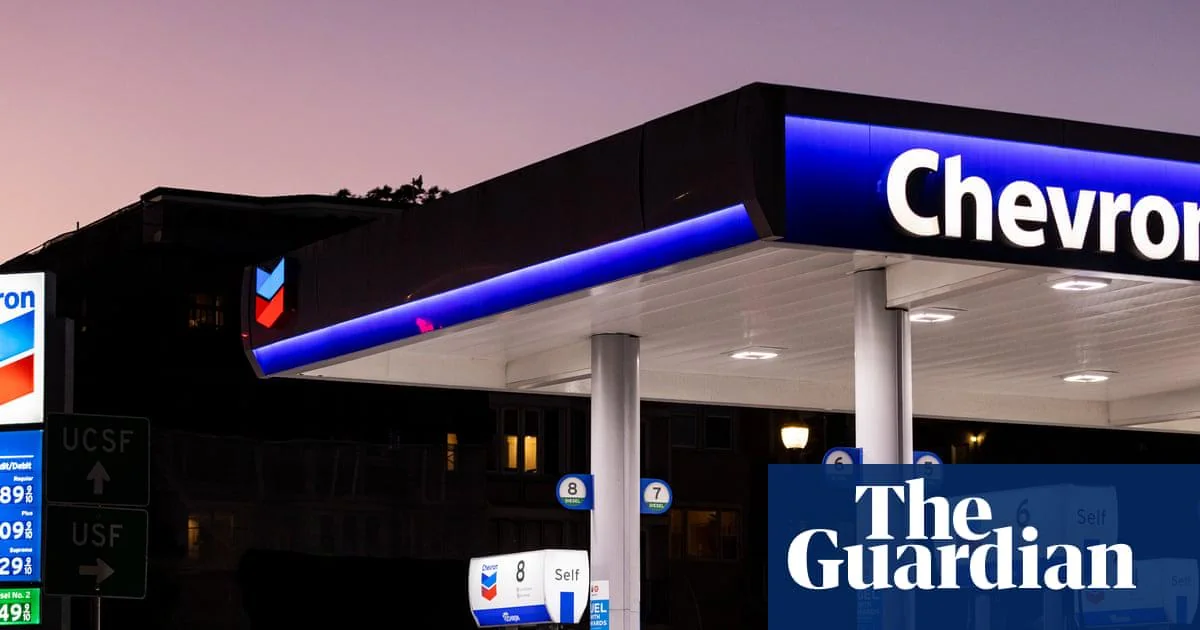
    As tensions rise, global oil markets have reacted immediately. Prices of crude oil have surged significantly, reflecting fears of supply disruptions. Reports indicate that Brent crude has climbed above $100 per barrel, while US benchmarks have also seen steep increases. ()

    The surge is largely driven by instability in the Strait of Hormuz, through which a substantial portion of the world’s oil supply passes. Ongoing military activity, including ship seizures and naval blockades, has heightened concerns that the route could be partially or fully closed. ()

    Analysts warn that if the situation continues to deteriorate, oil prices could rise even further, potentially triggering inflation and economic challenges worldwide.

    Strait of Hormuz Crisis Deepens

    The Strait of Hormuz has become the focal point of the conflict. Both the US and Iran are asserting control over the region, leading to overlapping blockades and increased military presence. Iranian forces have reportedly seized vessels, while US naval forces have intercepted tankers accused of violating sanctions. ()

    Iranian leaders have gone as far as to declare that reopening the strait is “impossible” under current conditions, citing ongoing ceasefire breaches. () This statement has further intensified fears of prolonged disruption to global oil supplies.

    Trump’s Strategy and Statements

    President Trump has taken an aggressive approach, emphasizing strength and deterrence. He has suggested that Iran used the ceasefire period to rebuild its military capabilities and warned that the US could “finish” the conflict if necessary. ()

    At the same time, Trump has attempted to balance military pressure with diplomatic efforts. He has supported temporary ceasefire extensions and engaged in negotiations through intermediaries, although progress remains uncertain.

    The administration also claims that US naval operations have been effective in limiting Iran’s oil exports, further increasing pressure on Tehran.

    Global Economic Impact

    The ongoing crisis is not just a regional issue—it has global consequences. Rising oil prices are already affecting fuel costs, transportation, and supply chains. Economists warn that prolonged instability could slow global economic growth and increase inflation.

    Energy markets remain highly volatile, with prices fluctuating based on every new development. Investors are closely monitoring the situation, as even minor escalations can trigger major market reactions.

    Political and International Reactions

    International reactions have been mixed. Some US allies have expressed concern over the escalating tensions and called for restraint, while others have supported Washington’s stance against Iran.

    Meanwhile, diplomatic efforts to resolve the crisis appear stalled. Talks have struggled to gain traction, and both sides seem unwilling to make significant concessions. This deadlock increases the risk of further confrontation.

    Conclusion

    The latest developments highlight the fragile nature of the US-Iran ceasefire and the far-reaching consequences of its breakdown. With oil prices surging and military tensions rising, the situation remains highly volatile.

    President Trump’s approach—combining military readiness with limited diplomatic outreach—will likely shape the next phase of the crisis. For now, the world watches closely as events unfold, knowing that the outcome could have lasting impacts on global stability and economic health.