Author: admin

  • Pentagon Announces US Navy Secretary’s Immediate Departure: Leadership Shake-Up Raises Questions

    Pentagon Announces US Navy Secretary’s Immediate Departure: Leadership Shake-Up Raises Questions

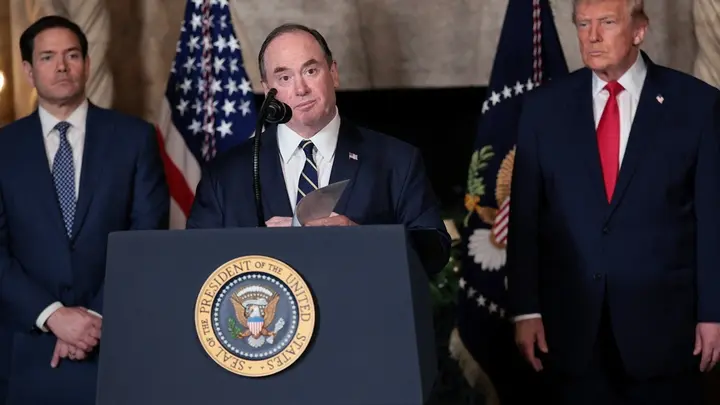
    In a surprising move that has captured national attention, the Pentagon has announced that the United States Navy Secretary is stepping down “effective immediately,” with the role being filled by the deputy on an interim basis. The abrupt leadership change has sparked widespread discussion across political, military, and public spheres, raising questions about the reasons behind the decision and its potential impact on national security and defense strategy.

    Sudden Leadership Transition

    The announcement came without prior warning, catching many observers off guard. Typically, transitions in high-level defense positions are carefully planned and communicated in advance. However, this immediate departure signals that unusual circumstances may have prompted the decision. While officials have not disclosed specific reasons, the urgency of the replacement suggests internal pressures or strategic disagreements within the Department of Defense.

    The deputy stepping in as acting Navy Secretary is expected to ensure continuity in leadership and maintain operational stability. This interim arrangement is standard practice during sudden transitions, allowing ongoing missions and administrative functions to proceed without disruption.

    Possible Reasons Behind the Exit

    Although no official explanation has been confirmed, analysts have begun speculating about potential causes. Leadership changes at this level are often linked to policy disputes, performance concerns, or broader political dynamics. In some cases, disagreements over budget allocations, military strategy, or procurement decisions can lead to high-profile resignations.

    Another possibility is that the departure is connected to ongoing geopolitical tensions. With global security challenges intensifying, including conflicts and strategic rivalries, leadership cohesion within the military becomes critical. Any perceived misalignment at the top could prompt swift corrective action.

    Additionally, internal investigations or administrative issues cannot be ruled out. Historically, sudden resignations have occasionally followed ethical concerns or management controversies, though there is currently no confirmed evidence pointing in that direction.

    Impact on the US Navy

    The US Navy plays a central role in maintaining global security, projecting power, and safeguarding maritime interests. A leadership change at the top could have both short-term and long-term implications. In the immediate term, the acting secretary will focus on ensuring that naval operations continue smoothly, especially in regions where tensions are high.

    However, leadership transitions can also influence strategic priorities. New or interim leadership may reassess existing policies, delay major decisions, or introduce adjustments to align with evolving defense objectives. This could affect areas such as fleet modernization, personnel management, and international partnerships.

    Political and Strategic Reactions

    The announcement has drawn reactions from lawmakers, defense experts, and political commentators. Some view the move as a necessary step to address internal challenges, while others see it as a sign of instability within the defense establishment. Calls for transparency have increased, with many urging the Pentagon to provide more clarity بشأن the reasons behind the sudden change.

    From a political standpoint, leadership shifts in the military often intersect with broader government dynamics. Depending on the underlying cause, this development could become a focal point in ongoing debates حول defense spending, military readiness, and executive decision-making.

    What Comes Next?

    Looking ahead, attention will turn to whether a permanent replacement is nominated quickly or if the acting secretary remains in position for an extended period. The nomination process for such a high-ranking role typically involves thorough vetting and Senate confirmation, which can take time.

    In the meantime, the Pentagon is expected to emphasize stability and continuity. Maintaining confidence within the ranks of the Navy, as well as among international allies, will be a top priority. Clear communication and decisive leadership during this transition period will be essential to avoid disruptions.

    Conclusion

    The sudden departure of the US Navy Secretary marks a significant moment in the current defense landscape. While the full reasons behind the decision remain unclear, the move underscores the importance of strong and stable leadership within the military. As more details emerge, the situation will continue to be closely monitored by policymakers, analysts, and the public alike.

    For now, the focus remains on ensuring that the US Navy continues to operate effectively during this unexpected transition, safeguarding national interests and maintaining its critical role on the global stage.
  • How Ironmongery Enhances the Performance of a Mortice Lock

    Why Ironmongery Matters More Than Most Homeowners Realise

    When people think about door security, they usually focus on the lock itself. That is understandable, because the lock is the component that physically secures the door. However, a mortice lock can only perform properly when the surrounding ironmongery and hardware are chosen well, fitted correctly, and maintained over time. In other words, the lock is not a standalone product. It is one part of a complete door set, and the quality of the other parts directly affects how well that lock works.

    A local locksmith sees this every day. A homeowner may complain that their mortice lock is stiff, difficult to close, or no longer feels secure. In many cases, the lock is not the only problem. The issue may actually be caused by worn hinges, a badly fitted strike plate, loose handles, poor alignment, or low-grade hardware that allows too much movement in the door. This is why ironmongery is so important. It provides the structure and support that allow the lock to engage cleanly and resist force.

    Good ironmongery does not just make a door look better. It makes the whole system stronger, smoother, and more reliable. If you want a mortice lock to give you the level of security it was designed for, you also need to think carefully about the hinges, handles, escutcheons, strike plates, screws, and every other piece of supporting hardware around it.

    What Counts as Ironmongery on a Door

    The word ironmongery is often used broadly, but on a typical entrance door it includes the practical metal components that allow the door to open, close, latch, and lock correctly. That includes hinges, door handles, lock cases, escutcheons, latch plates, strike plates, security bolts, closers, and in some cases door viewers, chains, and additional protective fittings.

    Hardware and ironmongery are often discussed together because they overlap in function. The important point is that these pieces are not decorative extras. They all affect how the mortice lock behaves. If the hinges are weak, the door can drop. If the strike plate is thin, the frame is easier to damage. If the handle is loose, the latch may not retract properly. If the screws are too short, the whole assembly may be less secure than it appears.

    A local locksmith will normally assess the entire door set before recommending any upgrade. That is because fitting a premium mortice lock into a door with poor hardware is a bit like putting high-performance tyres on a car with damaged suspension. One good component cannot compensate for weakness elsewhere.

    The Relationship Between Hinges and a Mortice Lock

    Hinges are one of the most overlooked parts of a secure door. They carry the weight of the door every day, and over time that weight affects alignment. If the hinges are low quality, incorrectly fitted, or starting to wear, the door can begin to drop slightly. That small movement is often enough to affect how the mortice lock lines up with the keep in the frame.

    Once alignment is off, the lock bolt may scrape, stick, or fail to engage fully. Homeowners sometimes think the mortice lock itself is failing, when the underlying issue is really the hinges. A local locksmith will usually check this early in the inspection process, because correcting the alignment can sometimes restore smooth operation without replacing the lock.

    High-quality hinges are an essential part of good ironmongery. They help the door hang square, reduce stress on the lock, and improve day-to-day usability. On heavier timber doors, especially front doors, choosing strong hinges with the right load rating is particularly important.

    Why the Strike Plate and Keep Are Critical

    Another part of the hardware that has a huge effect on performance is the strike plate, sometimes called the keep. This is the section fixed into the frame that receives the latch and deadbolt from the mortice lock. If this part is flimsy, badly aligned, or poorly secured, the lock cannot perform at its best.

    A mortice lock may be built to resist force, but if the frame area around the keep is weak, an intruder may target that instead. A local locksmith will often recommend reinforced keeps and longer fixing screws that anchor more deeply into the frame. This improves resistance to kick attacks and helps the bolt seat correctly.

    The keep also affects how the lock feels in normal use. If it is not aligned perfectly, the bolt may bind, the latch may rattle, or the key may require extra force to turn. These are not just minor annoyances. They increase wear over time and can shorten the life of the lock.

    Handles, Escutcheons, and Supporting Hardware

    Door handles do more than provide something to grip. They control the latch movement, influence how smoothly the door closes, and contribute to the overall feel of quality. Cheap or badly fitted handles can create play in the mechanism, which in turn affects how the mortice lock performs.

    Escutcheons and protective plates are also part of the wider ironmongery picture. On external doors, they can help protect the area around the keyway and improve durability. A local locksmith may recommend upgrading these pieces when fitting a new mortice lock, especially if the existing hardware is loose, corroded, or no longer secure.

    Even the screws matter. Good hardware fitted with poor fixings can still fail. Long, solid fixings help tie the ironmongery into the structure of the door and frame, reducing movement and improving overall strength.

    How Poor Ironmongery Creates Security Weaknesses

    It is entirely possible to buy a good mortice lock and still end up with disappointing results if the surrounding hardware is poor. A door that moves in the frame, rattles when closed, or needs lifting to lock is telling you that the system is not working as it should.

    Weak ironmongery can create several practical problems. First, it can reduce convenience. The lock may feel rough, stiff, or unreliable. Second, it can accelerate wear. When parts do not line up, users often apply more force, which stresses the lock case and key. Third, it can reduce security. A frame that flexes, a loose keep, or worn hinges may all make forced entry easier.

    A local locksmith understands that break-in resistance comes from the whole assembly, not just the lock body. That is why a proper security upgrade often includes work on the hardware and ironmongery as well as the mortice lock itself.

    When It Makes Sense to Upgrade the Whole Door Set

    There are many situations where upgrading only the mortice lock is not enough. If the door is older, the handles are loose, the hinges are worn, or the keep area is damaged, it usually makes more sense to improve the entire setup at the same time. This creates a more balanced and reliable result.

    For example, fitting a British Standard mortice lock into a well-aligned timber door with quality ironmongery gives that lock the best possible chance to perform well over the long term. The door closes properly, the bolt throws cleanly, the handle feels solid, and the frame gives good support. That is the standard a local locksmith aims for.

    This kind of upgrade is not just about security either. It also improves the day-to-day experience of using the door. A well-fitted door with good hardware feels smoother, quieter, and more dependable.

    Why Professional Fitting Matters

    Even premium hardware can underperform if it is installed badly. Alignment, spacing, fixing depth, and compatibility all matter. A local locksmith has the practical experience to spot problems that are easy to miss, such as subtle hinge wear, slight frame movement, or poor lock positioning.

    Professional fitting also helps future-proof the system. When the mortice lock, ironmongery, and supporting hardware are fitted properly from the start, there is less strain on the components and fewer maintenance issues later.

  • Japan Lifts Ban on Lethal Arms Exports: A Historic Shift in Defense Policy

    Japan Lifts Ban on Lethal Arms Exports: A Historic Shift in Defense Policy

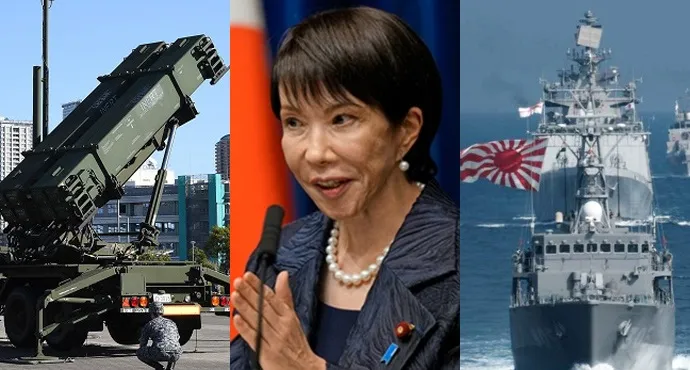
    In a landmark decision that signals a major تحول in its post-war identity, Japan has lifted its long-standing ban on exporting lethal weapons. The move marks one of the most significant changes in Japan’s defense policy since the end of World War II and reflects a rapidly evolving security environment in the Asia-Pacific region.

    This decision has drawn global attention, with supporters viewing it as a necessary step toward strengthening national and regional security, while critics warn of increased militarization and rising tensions.


    Background: Japan’s Pacifist Constitution

    Following its defeat in World War II, Japan adopted a pacifist constitution, most notably Article 9, which renounces war and prohibits the maintenance of traditional military forces for combat purposes. For decades, this constitutional framework shaped Japan’s defense policies, limiting its military activities and restricting arms exports.

    Although Japan established the Self-Defense Forces, its role remained largely defensive. Strict guidelines also prevented Japanese companies from exporting military equipment, particularly lethal weapons.

    Over time, however, regional security challenges and global expectations began to push Japan toward a more flexible interpretation of its defense policies.


    What the Policy Change Means

    The new policy allows Japan to export lethal military equipment under certain conditions. This includes advanced weapons systems, defense technology, and potentially joint development projects with allied countries.

    The decision is expected to:

    • Strengthen Japan’s defense industry
    • Enhance cooperation with allies
    • Contribute to regional security initiatives

    Japanese officials have emphasized that exports will still be regulated and aligned with international law. The government has stated that the goal is not to promote conflict but to support stability and deterrence.


    Why Japan Made This Decision

    Several factors have contributed to this historic shift:

    1. Rising Regional Threats

    Japan faces increasing security concerns, particularly from China and North Korea. Territorial disputes, military expansion, and missile tests have heightened tensions in the region.

    2. Strengthening Alliances

    Japan’s alliance with the United States remains a cornerstone of its security strategy. Allowing arms exports enables Japan to play a more active role in joint defense initiatives and burden-sharing.

    3. Supporting Defense Industry Growth

    The policy change opens new opportunities for Japan’s defense sector, allowing companies to compete in the global arms market. This could boost innovation, create jobs, and strengthen technological capabilities.

    4. Changing Global Security Dynamics

    With increasing geopolitical competition, countries are re-evaluating their defense strategies. Japan’s decision reflects a broader trend toward military modernization and strategic preparedness.


    International Reactions

    China’s Concern

    China has expressed concern over Japan’s decision, warning that it could lead to increased militarization in the region. Chinese officials have urged Japan to adhere to its pacifist principles and avoid actions that might destabilize regional security.

    Given historical tensions between the two countries, China’s reaction highlights the sensitivity of any change in Japan’s military posture.


    Regional and Global Responses

    Other countries have reacted with a mix of caution and support:

    • Some allies welcome Japan’s increased contribution to regional security
    • Others worry about the potential for an arms race in East Asia
    • Analysts stress the importance of transparency and responsible implementation

    Impact on Regional Security

    Japan’s decision could have far-reaching implications for the Asia-Pacific region:

    1. Increased Military Cooperation

    Japan may expand defense partnerships with countries in Southeast Asia and beyond, providing equipment and technology to support their security needs.

    2. Strategic Balance of Power

    The move could alter the balance of power in the region, particularly in areas like the South China Sea.

    3. Risk of Escalation

    While intended as a deterrent, increased arms exports could contribute to rising tensions if perceived as aggressive by neighboring countries.


    Domestic Debate in Japan

    The policy change has sparked significant debate within Japan:

    • Supporters argue that it is necessary for national security
    • Critics fear it undermines Japan’s pacifist identity

    Public opinion remains divided, reflecting broader questions about Japan’s role in the world.


    Economic Implications

    Beyond security, the decision has economic dimensions:

    • Japanese defense companies gain access to international markets
    • Potential for increased research and development investment
    • Opportunities for joint ventures with global partners

    This could position Japan as a key player in the global defense industry.


    Challenges Ahead

    Despite its potential benefits, the policy shift also presents challenges:

    • Ensuring compliance with international regulations
    • Managing diplomatic relations with neighboring countries
    • Balancing economic interests with ethical considerations

    Effective governance and transparency will be crucial in addressing these issues.


    Conclusion

    Japan’s decision to lift its ban on lethal arms exports marks a turning point in its post-war history. As the country adapts to a changing security environment, it faces the challenge of balancing its pacifist legacy with the demands of modern geopolitics.

    The move reflects broader shifts in global power dynamics and underscores the growing importance of the Asia-Pacific region in international affairs. Whether this policy will enhance stability or contribute to rising tensions remains to be seen.

    What is clear, however, is that Japan is entering a new era—one that will shape its role on the global stage for years to come.

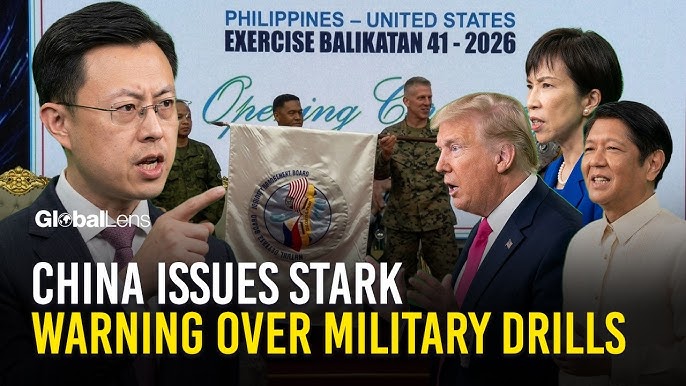
  • China Warns Against US, Philippines, and Japan Joint Drills: Rising Tensions Threaten Regional Trust

    China Warns Against US, Philippines, and Japan Joint Drills: Rising Tensions Threaten Regional Trust

    Growing military cooperation between the United States, Philippines, and Japan has sparked a sharp reaction from China, which has warned that such joint exercises risk undermining regional trust and stability. As geopolitical competition intensifies in the Asia-Pacific, these developments highlight the fragile balance of power and the increasing risk of confrontation.


    China’s Strong Warning

    China has openly criticized the joint military drills conducted by the United States, Japan, and the Philippines, calling them provocative and destabilizing. The Ministry of Foreign Affairs of China stated that such actions “erode mutual trust among regional countries” and could escalate tensions unnecessarily.

    According to Chinese officials, the Asia-Pacific region should prioritize peace, cooperation, and economic development rather than military alliances and power displays. Beijing views these joint drills as part of a broader strategy to contain China’s rise and limit its influence in the region.


    What Are These Joint Military Drills?

    The joint exercises involve coordinated operations between the armed forces of the three countries. These drills typically include naval maneuvers, air defense training, amphibious landings, and strategic coordination exercises.

    For the United States and its allies, these drills are intended to improve interoperability, strengthen defense capabilities, and ensure preparedness in the face of potential security threats. The Philippines, in particular, has increased its military cooperation with the United States amid ongoing territorial disputes in the South China Sea.

    Japan, meanwhile, has been expanding its defense role in recent years, moving away from its traditionally pacifist stance. Its participation in such drills reflects a broader shift in its security policy.


    The South China Sea Factor

    A key source of tension behind these developments is the South China Sea, a strategically vital waterway rich in natural resources and critical for global trade.

    China claims a significant portion of the South China Sea, a position contested by several countries, including the Philippines. The United States has repeatedly conducted “freedom of navigation” operations in the region, challenging China’s territorial claims.

    Joint military exercises involving the United States, Japan, and the Philippines are often seen as a response to China’s growing presence and assertiveness in these disputed waters.


    The Philippines’ Strategic Shift

    The Philippines has taken a more assertive stance in recent years, strengthening its alliance with the United States. Joint drills have become more frequent and more extensive, signaling a shift in Manila’s defense strategy.

    For the Philippines, these exercises are not just symbolic—they are a practical necessity. Facing increasing pressure in disputed waters, the country views its partnership with the United States and Japan as essential for safeguarding its sovereignty.

    However, this shift has also placed the Philippines at the center of regional tensions, as China views such alliances with suspicion.


    Japan’s Expanding Military Role

    Japan’s involvement in these drills marks a significant evolution in its defense posture. Historically constrained by a pacifist constitution, Japan has gradually expanded its military capabilities and international engagement.

    Participation in joint exercises with the United States and the Philippines reflects Tokyo’s growing concern about regional security and its willingness to play a more active role.

    China, however, remains wary of Japan’s military normalization, given the historical context of World War II. This adds another layer of complexity to an already tense situation.


    US Strategy in the Indo-Pacific

    For the United States, these joint drills are part of a broader Indo-Pacific strategy aimed at maintaining regional stability and countering potential threats. Strengthening alliances with countries like Japan and the Philippines is seen as crucial for ensuring a balance of power.

    The United States has emphasized that its actions are defensive in nature and intended to uphold international law. However, China perceives these moves as efforts to encircle and contain it.

    This difference in perception is a major driver of ongoing tensions.


    Impact on Regional Trust and Stability

    China’s warning about “eroding regional trust” reflects deeper concerns about the long-term implications of increased military activity. As countries in the region align themselves with different powers, the risk of division and conflict grows.

    Frequent military drills can create a cycle of action and reaction, where one country’s defensive measures are seen as aggressive by another. This dynamic can escalate tensions even in the absence of direct conflict.

    Smaller countries in the region may also feel pressured to choose sides, further complicating the geopolitical landscape.


    The Role of Diplomacy

    Despite rising tensions, experts stress the importance of diplomacy in managing disputes. Dialogue, confidence-building measures, and multilateral cooperation are essential for preventing escalation.

    Regional organizations and forums can play a role in facilitating communication and reducing misunderstandings. However, achieving meaningful progress requires trust—and that is precisely what China claims is being undermined.


    A Region at a Crossroads

    The Asia-Pacific region is at a critical juncture. Economic interdependence remains strong, but political and military tensions are increasing. The challenge for regional leaders is to find a balance between security concerns and the need for cooperation.

    China’s warning serves as a reminder that actions taken in the name of security can have unintended consequences. Without careful management, the current trajectory could lead to greater instability.


    Conclusion

    The joint military drills involving the United States, Japan, and the Philippines have become a focal point of rising tensions in East Asia. China’s strong response underscores the deep divisions and competing interests shaping the region.

    As geopolitical competition intensifies, the need for dialogue and mutual understanding becomes more urgent. Whether regional powers can navigate these challenges without escalating conflict will be a defining question for the future of the Asia-Pacific.

  • China Condemns Japan’s Yasukuni Shrine Visits: Rising Tensions in East Asia

    China Condemns Japan’s Yasukuni Shrine Visits: Rising Tensions in East Asia

    Tensions between China and Japan have once again escalated after strong reactions from Beijing over recent visits and offerings made by Japanese leaders at the controversial Yasukuni Shrine. The issue, deeply rooted in historical grievances, continues to strain diplomatic relations between the two major Asian powers.

    Why the Yasukuni Shrine Is So Controversial

    The Yasukuni Shrine, located in Tokyo, honors Japan’s war dead, including several convicted Class-A war criminals from World War II. For China and other neighboring countries that suffered under Japanese occupation, the shrine symbolizes Japan’s militaristic past and lack of full accountability.

    Whenever Japanese political figures visit or send ritual offerings to the shrine, it often sparks outrage in Beijing. Chinese officials argue that such actions glorify a painful history and undermine efforts toward reconciliation in the region.

    China’s Strong Response

    The Chinese government has issued a sharp condemnation of the recent shrine-related activities. Officials from Ministry of Foreign Affairs of China stated that Japan must “face and reflect on its history honestly” and warned that such actions damage mutual trust.

    Chinese media outlets and social platforms have also amplified public anger, with many users criticizing Japan for what they perceive as repeated insensitivity toward historical issues. The reaction highlights how deeply emotional and politically significant this matter remains in China.

    Japan’s Position

    On the other hand, leaders in Japan maintain that visits to the Yasukuni Shrine are a domestic matter tied to honoring those who sacrificed their lives for the country. Some Japanese officials argue that the actions are not intended to provoke neighboring countries but rather to preserve national tradition.

    However, critics within Japan and abroad say that such visits complicate diplomatic relations and hinder regional cooperation, especially at a time when geopolitical stability is crucial.

    Impact on China-Japan Relations

    Relations between China and Japan have long been shaped by a mix of economic cooperation and political tension. While both countries are major trading partners, historical disputes—such as those linked to World War II—continue to resurface.

    Recent developments suggest that ties may become more strained if symbolic actions like shrine visits continue. Diplomatic dialogues could face setbacks, and public sentiment in both countries may grow increasingly negative.

    Broader Regional Implications

    The controversy comes at a time when East Asia is already facing heightened geopolitical challenges. Issues such as territorial disputes, military activities, and alliances involving global powers add layers of complexity to regional stability.

    Analysts warn that symbolic disputes, though not directly linked to military conflict, can escalate tensions and influence broader strategic decisions. In such an environment, even cultural or historical gestures carry significant political weight.

    Calls for Dialogue and Stability

    International observers and political analysts emphasize the need for constructive dialogue between China and Japan. Addressing historical grievances through open communication and mutual respect is seen as essential for long-term peace and cooperation in the region.

    Efforts to improve bilateral relations may require both sides to adopt more sensitive approaches to historical issues while focusing on shared economic and security interests.

    Conclusion

    The latest dispute over the Yasukuni Shrine highlights how history continues to shape modern geopolitics in East Asia. As China condemns Japan’s actions, the incident serves as a reminder that unresolved historical tensions can quickly resurface and impact present-day relations.

    For the region to move forward, both nations must find a balance between honoring their past and building a stable future. Without careful diplomacy, such controversies risk deepening divides and affecting not only bilateral ties but also the broader stability of East Asia.

  • VideoCompress Video Cutter: A Fast Editing Layer for E-commerce Product Videos

    VideoCompress Video Cutter: A Fast Editing Layer for E-commerce Product Videos

    Online shopping no longer relies on flat images. Video now drives every sale, from simple product demos to honest user reviews. Actually, reality remains messy. Long takes, bad framing, and boring fluff frustrate many creative teams. It happens every single day.

    Editing at scale creates a massive, grinding throughput bottleneck. VideoCompress solves these headaches by sharpening production without sacrificing speed. Teams move faster now. That is just how life works.

    The Hidden Friction in Product Video Workflows

    E-commerce teams rarely produce just one video per product. A single SKU may require multiple variations: feature highlights, short ads, tutorial snippets, and platform-specific cuts. The challenge is not recording content, but refining it quickly enough to keep pace with catalog updates.

    A browser-based video cutter fits naturally into this environment. It allows teams to move from raw footage to usable assets without switching tools or relying on specialized editing roles. This becomes especially valuable when product cycles are short and iteration is constant.

    Why Editing Speed Directly Impacts Conversion

    Timing defines e-commerce success. Delayed product video uploads stall promotional campaigns, missing vital windows entirely.

    Actually, fast editing creates room for creative testing. Rapid iteration improves conversion rates. That is the reality. Simple speed helps you win more sales.

    Balancing Volume and Quality

    High output often leads to inconsistent quality. When teams rush to produce content, editing standards tend to drop. VideoCompress addresses this by simplifying the editing process while maintaining clean outputs, allowing teams to scale without sacrificing consistency.

    Scenario: Launching a New Product Collection

    Fashion labels often sweat through seasonal launches. Filming every product takes dozens of takes, capturing every specific angle plus unique styling changes. Marketing teams crave short, snappy clips for social feeds under brutal deadlines. It is a grind.

    Actually, spreading the workload solves the bottleneck. Dumping footage into VideoCompress lets members trim individual clips and export final files independently. Decentralizing tasks saves precious hours while keeping quality high. Forget waiting on a lead editor for every single minor tweak. Getting files finished quickly is the reality. That is just how the work gets done.

    Extracting Sellable Moments

    Not every second of a product video contributes to conversion. The focus is on moments that highlight texture, fit, or unique features. VideoCompress allows teams to isolate these segments quickly, ensuring that each clip delivers a clear message.

    Aligning Content Across Channels

    Marketing videos travel across many diverse platforms, from simple website listings to paid ads. Actually, consistency is the goal here. Trimming assets with one single tool keeps every output perfectly aligned. Just pick one and move forward.

    Editing That Matches Operational Needs

    Reliable e-commerce systems require predictable tools. VideoCompress handles those essential editing tasks without any annoying bloat. Actually, it just works. Simple results matter in this industry.

    Working with Large Batches of Video Files

    Product shoots dump endless files across various formats onto your drive. Actually, VideoCompress handles MP4, MOV, and AVI data directly without any tedious prep work.

    Easing these intense production bottlenecks keeps your team moving forward fast. That is the reality. Workflow efficiency finally feels like a standard habit.

    Precision Without Overhead

    Even in high-volume environments, precision matters. A poorly timed cut can weaken the impact of a product demonstration. The timeline interface in VideoCompress provides enough control to refine clips accurately, while remaining simple enough for non-editors to use confidently.

    Adapting Videos for Platform-Specific Requirements

    Sales channels impose unique constraints. Actually, a website video often needs serious tweaks for mobile platforms. Adapting content remains vital for growth. It just works.

    Reframing Content for Mobile Commerce

    Mobile traffic dominates e-commerce, which makes vertical and square formats increasingly important. Instead of re-editing videos from scratch, teams can adjust framing using the integrated video cropper. This allows quick adaptation without disrupting the editing workflow.

    Generating Multiple Variants for Testing

    Performance marketing relies on testing different creatives. By trimming various segments from the same source video, teams can produce multiple versions for A/B testing. This approach maximizes the value of each shoot while minimizing additional production costs.

    Output Quality and Brand Consistency

    Strong visual consistency builds a lasting brand identity in e-commerce. Editing workflows require tools that deliver reliable output standards.

    Watermarks often distract from your product, dropping perceived quality instantly. Actually, VideoCompress ensures clean exports for every channel. It remains sharp.

    Placing product videos into CMS platforms or ad managers creates unique hurdles. Exporting files in widely supported formats guarantees smooth integration, sparing you from extra conversion steps. Simplifying these technical cycles saves immense time. Using such efficient assets keeps your brand presentation polished, professional, and entirely coherent everywhere.

    Operational Perspective: Scaling Video Production

    As product catalogs expand, the demand for video content grows proportionally. Managing this scale requires tools that reduce complexity rather than add to it.

    Distributing Editing Across Teams

    When editing tools are accessible, tasks can be distributed beyond a single specialist. This reduces bottlenecks and allows teams to handle higher volumes of content without increasing headcount.

    Shortening Time-to-Market

    Speed is a competitive advantage in e-commerce. The faster a product goes live with supporting content, the sooner it can generate revenue. VideoCompress supports this by minimizing delays in the editing phase.

    Rethinking Video Editing in Commerce

    Modern e-commerce video production has shifted away from purely artistic narratives toward fast, repeatable cycles. Efficiency dictates the workflow now.

    Actually, editing serves the supply chain rather than acting as a standalone creative pursuit. Teams utilizing tools that align with this reality simply move faster. It is what it is.

    Streamlining these processes allows groups to test concepts, refine strategies, and churn out content without exhaustion. Success fuels a feedback loop, driving performance gains over time. Companies that ignore this cycle will inevitably fall behind their agile competitors in the long run.

    Closing Insight: Throughput Defines Competitive Edge

    Speed dictates e-commerce victory. Video content drives results, provided teams create and tweak assets efficiently. To be honest, most workflows crumble under high pressure.

    VideoCompress solves this by streamlining every editing task. It enables teams to process massive amounts of footage without lagging, effectively morphing raw clips into sharp assets meant for conversion. That is the reality. Simply put, the software removes typical bottlenecks so your creative output remains fast and consistent.

  • Dechecker AI Detector in Education: How Schools Are Quietly Rewriting the Rules of Writing Assessment

    Dechecker AI Detector in Education: How Schools Are Quietly Rewriting the Rules of Writing Assessment

    AI writing tools have already entered classrooms, even if policies haven’t fully caught up yet. In many cases, students now produce assignments with the help of tools like ChatGPT or Gemini, then lightly edit the output before submitting it as their own work. The result looks normal on the surface, but the writing process underneath has changed completely.

    How AI is reshaping what “student writing” actually means

    The writing process is no longer linear

    Traditionally, student writing followed a simple path: brainstorm, draft, revise, submit. That structure still exists, but it’s increasingly compressed or partially replaced.

    Now, many students begin with AI-generated text and treat it as a starting point. Instead of building ideas from scratch, they refine something that already exists. This might seem like a small shift, but it changes how thinking happens during writing.

    The result is often polished work that lacks visible development. Ideas appear fully formed from the beginning, which can make it harder for teachers to evaluate how the student actually thinks.

    Why plagiarism tools don’t solve the real problem anymore

    Plagiarism detection was designed for copied content. It compares submissions against existing sources and flags similarities.

    But AI-generated writing doesn’t reuse existing text. It generates new combinations of languages that don’t match any database. That means a fully AI-written essay can still appear completely “original” under traditional systems.

    This creates a new gap in education: text originality no longer guarantees learning originality.

    How Dechecker AI Detector is being used in education

    Moving from matching text to analyzing writing behavior

    Instead of looking for copied content, an AI Detector analyzes how the text is written. It focuses on patterns such as sentence predictability, structural uniformity, and linguistic consistency.

    The output is not a simple yes-or-no result. It’s a probability signal that indicates how likely the writing is AI-generated.

    In education, this is more practical because teachers are not trying to reach legal certainty—they are trying to understand whether the work reflects independent thinking.

    Helping teachers identify “too smooth” writing

    One of the most common signals educators notice today is writing that feels unusually clean.

    No awkward phrasing, no variation in rhythm, no visible struggle in expression. Everything flows too evenly.

    AI detection helps translate that intuition into a more structured signal. It doesn’t replace teacher judgment, but it supports it by highlighting patterns that are statistically unusual for typical student writing.

    The blurred line between assistance and dependency

    AI usage exists in multiple layers

    Not all AI-assisted writing is the same. Some students use it for idea generation, others for structuring paragraphs, and some for rewriting full essays.

    The problem is that these differences disappear in the final submission. Once submitted, everything looks equally polished, even if the learning process behind it was completely different.

    This makes evaluation more complex than before, because educators can no longer rely on the final text alone to understand effort or thinking.

    When AI becomes part of learning, not just output

    In many classrooms, AI is no longer treated as something purely forbidden. Instead, it is becoming part of the learning environment.

    Students may generate a draft, then rewrite it manually to match their own voice. During this process, tools like AI Humanizer are sometimes used to adjust tone and reduce overly mechanical phrasing.

    The key question is whether students are still engaging with the ideas, or simply accepting generated content without reflection.

    How AI detection is actually applied in real classrooms

    A supporting signal, not a grading system

    In practice, AI detection is rarely used as the final decision-maker. It functions more as a trigger for further review.

    If a submission shows a high likelihood of AI generation, teachers might request drafts, ask follow-up questions, or compare it with in-class writing samples.

    This shifts evaluation away from single submissions and toward a more contextual understanding of student ability.

    Teaching is shifting toward process visibility

    Instead of focusing only on final essays, educators are increasingly interested in how the essay was created.

    Draft history, revision patterns, and classroom writing exercises all provide additional context. This helps reduce over-reliance on polished final output and encourages a more complete evaluation of learning.

    Limitations of AI detection in education

    It is not a definitive answer

    Even advanced AI detection systems are not perfect. Some students naturally write in structured, formal styles that resemble AI output. At the same time, heavily edited AI-generated text can appear fully human.

    This means detection results should always be interpreted as probability signals, not proof.

    Context always matters more than scores

    A detection score alone cannot explain intent, effort, or learning. Without context, it can easily lead to misinterpretation.

    That is why most responsible educational use combines detection results with teacher observation and student writing history.

    The direction education is moving toward

    AI is no longer an external factor in education—it is part of the system now. The challenge is not whether to allow it, but how to adapt evaluation to a world where writing can be partially generated.

    Tools like Dechecker AI Detector are part of this transition. They don’t define what is right or wrong. Instead, they make the writing process more visible, helping educators make decisions based on evidence rather than assumption.

    In that sense, education is not just detecting AI—it is learning how to interpret writing in a new reality where authorship is no longer always obvious.

  • Natural Concerns in Japan: Earthquakes, Preparedness, and Ongoing Risks in 2026

    Natural Concerns in Japan: Earthquakes, Preparedness, and Ongoing Risks in 2026

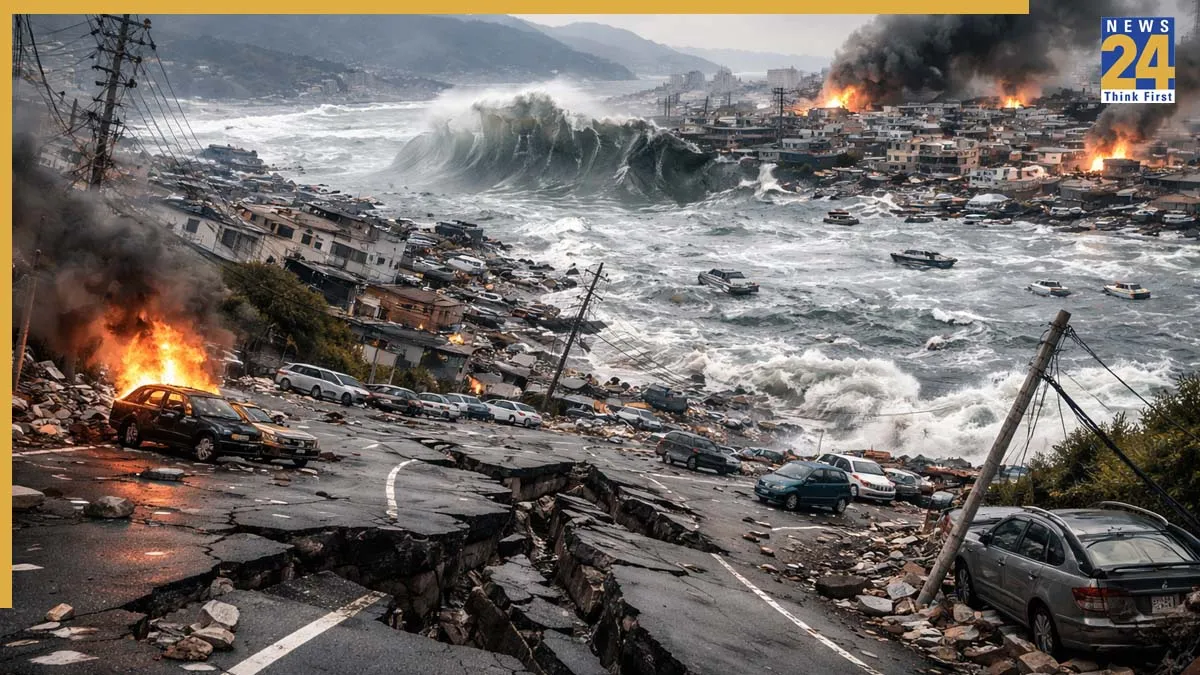
    Japan remains one of the most disaster-prone countries in the world, facing constant natural threats due to its unique geographic location. Situated along the Pacific Ring of Fire, the country experiences frequent earthquakes, volcanic activity, and occasional tsunamis. In 2026, natural concerns in Japan continue to dominate headlines, as authorities and citizens remain vigilant against potential disasters.

    Why Japan Faces Frequent Natural Disasters

    Japan’s vulnerability to natural disasters is largely due to its position at the intersection of several tectonic plates. These include the Pacific Plate, Philippine Sea Plate, and Eurasian Plate. The movement of these plates causes seismic activity, resulting in frequent earthquakes of varying magnitudes.

    Every year, Japan experiences thousands of small tremors, most of which go unnoticed by the public. However, the risk of a major earthquake always exists. This constant threat has shaped Japan’s infrastructure, policies, and daily life.

    Recent Earthquake Activity

    In recent months, Japan has reported several minor to moderate earthquakes. While these tremors have not caused major damage, they serve as reminders of the country’s ongoing seismic risks.

    Cities like Tokyo and Osaka regularly conduct emergency drills to prepare residents for potential disasters. Authorities closely monitor seismic activity and issue alerts when necessary, ensuring that people can respond quickly in case of an emergency.

    The memory of past disasters, such as the 2011 Tōhoku Earthquake and Tsunami, continues to influence how seriously these warnings are taken. That event caused widespread destruction and highlighted the devastating impact of natural disasters.

    Government Preparedness and Response

    The Government of Japan has invested heavily in disaster preparedness and risk management. Japan is widely recognized as a global leader in earthquake resilience.

    Buildings in major cities are designed to withstand strong earthquakes using advanced engineering techniques. Flexible structures, shock absorbers, and strict building codes help minimize damage and save lives.

    In addition, Japan has developed one of the most advanced early warning systems in the world. These systems can detect seismic waves and send alerts to smartphones, television broadcasts, and public announcement systems within seconds.

    Emergency response teams are also highly trained and equipped to handle disasters efficiently. Regular drills in schools, offices, and communities ensure that citizens know what to do during emergencies.

    Tsunami and Coastal Risks

    Apart from earthquakes, Japan also faces the threat of tsunamis. Undersea earthquakes can trigger massive waves that travel بسرعة across the ocean and hit coastal areas with devastating force.

    After the 2011 disaster, Japan significantly improved its tsunami defense systems. Coastal barriers, evacuation routes, and warning systems have been upgraded to reduce the impact of future events.

    Despite these improvements, experts warn that the risk cannot be completely eliminated. Coastal communities remain particularly vulnerable, and continuous vigilance is required.

    Volcanic Activity and Other Hazards

    Japan is home to over 100 active volcanoes, including the iconic Mount Fuji. While most volcanoes are dormant, occasional eruptions can disrupt air travel, agriculture, and local communities.

    In addition to earthquakes and volcanic activity, Japan also experiences typhoons, landslides, and flooding. Climate change is further intensifying some of these risks, leading to more extreme weather patterns.

    Public Awareness and Community Role

    One of Japan’s greatest strengths in dealing with natural disasters is its culture of preparedness. Citizens are educated from a young age about emergency procedures and safety measures.

    Households often keep emergency kits with food, water, and medical supplies. Communities work together during crises, showing strong social cohesion and resilience.

    Public awareness campaigns and regular training exercises help ensure that people remain prepared at all times.

    Future Challenges

    While Japan has made significant progress in disaster management, challenges remain. Aging infrastructure in some areas, increasing urban population, and the unpredictability of natural disasters pose ongoing risks.

    Experts are also concerned about the possibility of a large-scale earthquake in regions like the Nankai Trough. Such an event could have severe economic and human consequences.

    To address these challenges, Japan continues to invest in research, technology, and international cooperation.

    Conclusion

    Natural concerns in Japan are a constant reality, shaped by its geographic location and environmental conditions. From earthquakes and tsunamis to volcanic eruptions and typhoons, the risks are ever-present.

    However, Japan’s commitment to preparedness, innovation, and community resilience sets it apart as a global example in disaster management. While the dangers cannot be completely avoided, the country’s proactive approach ensures that it remains ready to face whatever challenges nature may bring.

  • Imran Khan Still in Headlines: Why He Remains a Powerful Political Force in 2026

    Imran Khan Still in Headlines: Why He Remains a Powerful Political Force in 2026

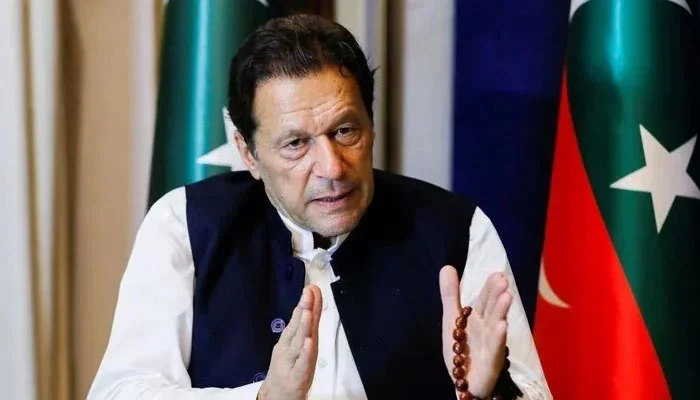
    Despite being imprisoned for nearly three years, Imran Khan continues to dominate headlines in Pakistan and beyond. The former Prime Minister, once known globally as a cricket legend, has transformed into one of the most influential and controversial political figures in the country. Even from behind bars, his presence in politics, media, and public discourse remains strong.

    Imprisonment but Not Irrelevance

    Imran Khan has been in jail since 2023 on multiple corruption and legal charges. However, his imprisonment has not reduced his influence. In fact, many analysts believe that his absence from active politics has increased his popularity among supporters.

    Recent reports highlight that even though he is physically isolated, his political image has grown stronger. Washington Post described him as a figure that authorities can jail but cannot erase, emphasizing how his symbolic power continues to shape political narratives.

    Supporters view him as a leader who challenged the traditional power structure, and this perception has helped maintain his relevance in national politics.

    Strong Public Support and Digital Presence

    One of the key reasons Imran Khan remains in headlines is his massive public support. His political party, Pakistan Tehreek-e-Insaf (PTI), still commands a loyal voter base. Social media platforms play a major role in keeping his message alive.

    From viral speeches to online campaigns, his supporters continue to mobilize digitally. His name trends frequently on platforms like X (Twitter), Facebook, and YouTube. In many cases, AI-generated videos and edited clips of his speeches circulate widely, keeping him in public conversation.

    This digital presence ensures that even without physical rallies or media appearances, Imran Khan remains one of the most talked-about leaders in Pakistan.

    Health Concerns Add to Headlines

    Another major reason for his continued media coverage is his health condition. Reports earlier in 2026 revealed that Imran Khan suffered serious vision problems while in prison.

    According to Reuters, he lost around 85% of vision in one eye, raising concerns about his medical treatment and prison conditions.

    His party and legal team have repeatedly demanded better healthcare facilities, while supporters have staged protests across the country. These developments have kept his situation in both national and international news.

    Political Impact Despite Jail

    Even in prison, Imran Khan continues to influence Pakistan’s political landscape. His party remains active, organizing protests and campaigns demanding his release. Large-scale demonstrations have taken place in major cities, showing that his political base is still mobilized.

    Historically, leaders who maintain strong support despite imprisonment often return to politics with greater momentum. Some analysts believe that Imran Khan could follow a similar path if political conditions change.

    Moreover, his narrative of being removed unfairly from power still resonates with many citizens. He was ousted in 2022 through a no-confidence vote, which he has consistently claimed was part of a broader conspiracy against him.

    International Attention and Global Image

    Imran Khan’s situation has also attracted international attention. Global media outlets, human rights organizations, and even former cricket players have raised concerns about his treatment.

    His legacy as a World Cup-winning cricket captain adds to his global recognition, making his case more visible internationally. Calls for fair treatment and proper medical care have come from various international figures, further keeping him in the spotlight.

    This global dimension strengthens his image as not just a national leader but an international personality facing political challenges.

    Why He Still Dominates Headlines

    There are several key reasons why Imran Khan continues to trend in news cycles:

    • His imprisonment creates a powerful political narrative
    • Strong public and digital support keeps him relevant
    • Ongoing legal and health issues attract media attention
    • His past leadership and global reputation amplify coverage

    These factors combine to ensure that his name remains consistently in headlines.

    Future Outlook

    The future of Imran Khan’s political career remains uncertain, but one thing is clear: he is far from irrelevant. Whether through legal developments, political movements, or public support, he continues to shape Pakistan’s political discourse.

    If his legal situation changes or elections bring new dynamics, he could potentially re-emerge as a central political figure. Until then, his influence from prison will likely continue.

    Conclusion

    Imran Khan’s continued presence in headlines highlights the unique nature of his political journey. From cricket icon to Prime Minister and now a jailed yet influential leader, his story reflects the complexities of Pakistan’s political system.

    Even in confinement, his voice, image, and influence remain alive—proving that in modern politics, physical absence does not necessarily mean political disappearance.

  • Middle East Situation Still Dangerous: Rising Tensions and Global Impact in 2026

    Middle East Situation Still Dangerous: Rising Tensions and Global Impact in 2026

    The Middle East remains one of the most volatile regions in the world, and in 2026, the situation continues to be dangerously unstable. Despite temporary ceasefires and ongoing diplomatic efforts, multiple conflicts and geopolitical rivalries are keeping the region on edge. From military confrontations to economic risks, the current crisis has far-reaching implications for global security and stability.

    Ongoing Conflicts Fuel Instability

    One of the primary reasons the Middle East remains dangerous is the continuation of armed conflicts across several countries. The tensions involving Iran, Israel, and various non-state actors have created a highly unpredictable environment. Missile exchanges, airstrikes, and border skirmishes have become frequent, increasing the risk of a full-scale regional war.

    In addition, conflicts in countries like Syria and Yemen continue to contribute to instability. These prolonged wars have not only devastated local populations but have also created power vacuums that allow militant groups to operate freely. As a result, peace in the region remains fragile and difficult to achieve.

    Strategic Importance of the Strait of Hormuz

    A key factor that makes the Middle East crisis globally significant is the Strait of Hormuz. This narrow waterway is one of the most important النفط (oil) transit routes in the world. A large percentage of global oil supply passes through this route, making it a critical point for international trade.

    Recent military activity near the Strait of Hormuz has raised serious concerns. Naval deployments, threats of blockades, and security incidents have increased the risk of disruption. Any closure or instability in this region could lead to a sharp rise in global oil prices, affecting economies worldwide.

    Impact on Global Economy

    The ongoing tensions in the Middle East are already affecting the global economy. Oil price fluctuations have created uncertainty in energy markets, leading to higher fuel costs in many countries. This, in turn, contributes to inflation and increases the cost of living.

    Moreover, investors are becoming cautious due to geopolitical risks. Stock markets have shown signs of volatility, and international trade routes are under pressure. Countries that rely heavily on Middle Eastern oil are particularly vulnerable, as any disruption could impact their economic stability.

    Diplomatic Efforts and Challenges

    Several countries and international organizations are working to reduce tensions in the Middle East. Diplomatic talks, ceasefire agreements, and peace negotiations are ongoing, but progress has been slow. Deep-rooted political differences, religious divisions, and historical rivalries make it difficult to reach long-term solutions.

    One of the biggest challenges is the lack of trust among the involved parties. Accusations of ceasefire violations and conflicting interests often derail negotiations. Even when agreements are reached, they tend to be temporary and fragile.

    Humanitarian Crisis in the Region

    Beyond politics and economics, the Middle East crisis has created a severe humanitarian situation. Millions of people have been displaced due to ongoing conflicts, and access to basic necessities such as food, water, and healthcare remains limited in many areas.

    Refugee camps are overcrowded, and international aid organizations are struggling to meet the growing demand. Children and vulnerable populations are particularly affected, facing long-term consequences such as lack of education and psychological trauma.

    Risk of Wider Regional War

    Perhaps the most alarming aspect of the current situation is the risk of a wider regional war. With multiple countries involved directly or indirectly, even a small incident could escalate into a larger conflict. Military alliances and proxy wars further complicate the situation.

    Global powers are also closely monitoring the region, as any escalation could draw them into the conflict. This increases the stakes and makes the situation even more dangerous.

    Future Outlook

    The future of the Middle East remains uncertain. While diplomatic efforts continue, there is no clear path to lasting peace. The region’s complexity requires long-term strategies that address not only political issues but also economic and social challenges.

    Stability in the Middle East is crucial for global peace and prosperity. Without meaningful progress, the risks of conflict, economic disruption, and humanitarian crises will continue to grow.

    Conclusion

    The Middle East situation in 2026 is still highly dangerous, with ongoing conflicts, economic risks, and humanitarian challenges. Despite international efforts to bring peace, the region remains on edge.

    Understanding the importance of stability in the Middle East is essential, as its impact extends far beyond regional borders. The coming months will be critical in determining whether diplomacy can prevail or tensions will escalate further.