Category: Education & Learning

  • How to Overcome Learning Difficulties

    How to Overcome Learning Difficulties

    Learning isn’t always smooth. Some people seem to absorb knowledge like sponges, while others—maybe you—struggle even when they’re trying their hardest. It’s frustrating. Sometimes it even hurts your confidence. You start believing you’re “just bad at learning,” or worse, that something’s wrong with you.

    But here’s the truth: learning difficulties are more common than we think. And they don’t mean you can’t learn. They just mean you learn differently. With the right strategies, support, and patience, you can grow faster than you ever expected.

    Let’s explore how to overcome learning difficulties—not magically, but realistically.

    Understanding Learning Difficulties

    Learning difficulties show up in different ways. You might struggle with reading, focusing, processing spoken information, organizing thoughts, or remembering steps. These challenges can be caused by many things—attention differences, dyslexia, anxiety, weak study habits, environment… sometimes a mix.

    What matters is this: learning difficulty ≠ lack of intelligence.

    Many brilliant people struggled academically—Einstein, Da Vinci, Agatha Christie. Their minds just worked differently. Yours might too. And that’s okay.

    Step 1: Identify the Problem (Don’t Guess in the Dark)

    You can’t fix what you can’t see. If you’re hitting a wall, the first step is to figure out where the struggle actually is. Is it reading comprehension? Concentration? Memory? Maybe time management?

    Some signs:

    • You understand concepts but struggle to express them
    • You forget instructions easily
    • You get overwhelmed by written text
    • You start tasks but rarely finish
    • You need more time than others to understand the same information

    If these sound familiar, pay attention. You may benefit from:

    • Self-reflection
    • Speaking with teachers or mentors
    • Psychological testing (if needed)

    A proper assessment—formal or informal—helps build a roadmap. You wouldn’t repair a car without knowing what’s broken. Same idea here.

    Step 2: Break Tasks into Smaller Steps

    One big challenge with learning difficulties is overwhelm. When information feels too large, your brain shuts down like, “Nope. Not doing that.”

    So break the task into tiny pieces.

    Don’t study a whole chapter. Study one page. Or one paragraph. Or even one vocabulary word.

    Small wins build confidence. Confidence builds momentum. Momentum keeps you going.

    Some people think this is “too slow.” But slow is fine. Progress is progress.

    Step 3: Use Multiple Learning Methods

    Everyone learns differently. Some people are visual—diagrams, pictures. Others prefer listening. Some learn by doing. If one method doesn’t work for you, try another.

    Examples:

    • Read, then watch a video about the same topic
    • Draw the concept as a picture
    • Teach someone else (or your pet… yes, really)
    • Use flashcards
    • Listen to recordings
    • Try hands-on practice

    Mixing methods activates more parts of your brain, making learning stronger and easier to remember.

    Also—it makes studying less boring.

    Step 4: Make a Routine (But Forgive Yourself Too)

    Structure helps the brain feel safe. If you study at the same time every day—even for 15 minutes—your brain starts expecting it. It becomes a habit, not a battle.

    But here’s the important part:
    If you miss a day, don’t panic. Don’t quit. Just try again tomorrow. Progress is rarely straight. Think of it like walking up a hill—slippery but forward.

    Perfection is the enemy. Consistency is the friend.

    Step 5: Manage Stress & Emotions

    Learning difficulties aren’t only about the brain; they’re about emotions too. Stress makes learning harder. Anxiety blocks memory. Shame stops you from asking for help.

    A calm brain learns better.

    Try:

    • Short breaks
    • Deep breathing
    • Talking to someone supportive
    • Studying in a quiet space
    • Music (if it helps focus)

    Even simple things like stretching help. Your nervous system needs balance so your brain can absorb information.

    Step 6: Ask for Help (Seriously, It’s Not Weakness)

    Many people struggle because they think they must fight alone. But everyone needs support.

    Ask:

    • Teachers
    • Friends
    • Family
    • Tutors
    • Therapists

    Not for answers, but for guidance.

    You’re not dumb for asking. In fact, asking for help shows strength. It’s how people grow. Everyone who succeeds has received help somewhere—trust me.

    Step 7: Use Tools & Technology

    We live in a great time—there are countless tools to support learning differences.

    Examples:

    • Text-to-speech readers
    • Audiobooks
    • Speech-to-text writing tools
    • Grammar checkers
    • Timers to help focus
    • Organizational apps
    • Note-taking apps

    These don’t make learning “easier” in the sense of cheating. They level the playing field so your brain can focus on what matters.

    Use them without guilt.

    Step 8: Celebrate Small Progress

    People with learning difficulties often feel like they’re always behind. So they only notice what they can’t do. This kills motivation.

    Instead—celebrate wins:

    • Finished a page? Celebrate.
    • Understood one new concept? Celebrate.
    • Studied three days this week? Celebrate.

    Progress isn’t measured by speed. It’s measured by growth.

    Little steps lead to bigger ones.

    Step 9: Believe You Can Improve

    Maybe this sounds cheesy, but mindset is huge. If you believe you can grow, you’ll keep trying. If you believe you’re incapable, you quit.

    Learning difficulties don’t define your limits. They define your strategy.

    Brains change. Skills improve. Neuroplasticity—your brain’s ability to adapt—continues through your lifetime. You can get stronger, smarter, more capable.

    It’s not about being the best. It’s about becoming better than before.

    Conclusion

    Overcoming learning difficulties is not about eliminating the struggle. It’s about understanding it, adapting to it, and moving forward anyway. You don’t need to learn like everyone else. You just need to learn in the way that works for you.

    Break tasks down. Use tools. Ask for help. Try different methods. Be kind to yourself. And remember—you’re not alone.

    Learning is a journey. Sometimes slow, sometimes messy. But absolutely possible.

    You can do this. One step at a time.
  • The Benefits of Learning a Second Language

    The Benefits of Learning a Second Language

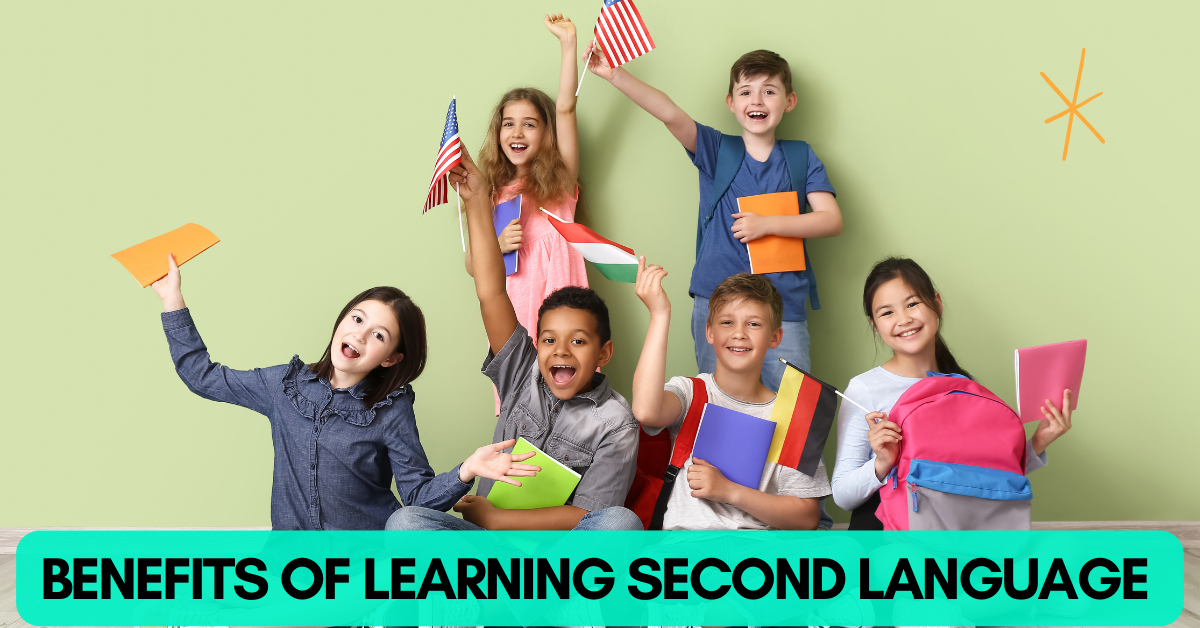
    Most people think learning a second language is just about talking to more people. Sure, that’s part of it. But the benefits run deeper—into your brain, your identity, how you see the world, even your future paycheck (not kidding). Picking up another language isn’t simply a hobby; it’s an upgrade to how you experience life.

    And before you say, “I’m too old, too busy, too bad at languages,”—relax. Humans are built for language. It’s what we do.

    Let’s look at why a second language is worth the trouble.

    A Workout for Your Brain

    When you learn a new language, your brain literally changes shape. Not dramatically, like a sci-fi mutation. But neurologically, new pathways form. Communication between neurons speeds up. Studies have shown stronger gray matter density—the stuff linked to memory, attention, and decision-making—in bilingual individuals.

    It’s like your brain gets new wiring.
    Cleaner. Faster. Sharper.

    People who speak more than one language often show:

    • Improved memory
    • Better focus
    • Faster problem-solving
    • Stronger multitasking skills

    You train your brain to switch between systems, which translates into quicker mental flexibility in everyday life. Even simple tasks—like remembering directions or making decisions—can get easier.

    Makes You Better at Your First Language

    A funny thing happens when you learn a second language: You start noticing your native tongue more. You understand grammar rules you never thought about. You notice words and sentence rhythms. You learn how language works—not just how to speak it.

    Kids who grow up bilingual often perform better in reading and writing in both languages. Adults, too, become more intentional communicators. You choose your words more carefully. You listen more, because you’ve trained to pay attention to cues.

    Basically, you get smarter about how you speak. Even in your original language.

    Long-Term Brain Health

    There’s a big one here—bilingual people tend to have stronger resistance to cognitive decline later in life. Alzheimer’s and dementia often appear later in bilingual adults compared to monolingual ones. Learning a second language builds cognitive reserve, giving your brain more tools to stay active and resist damage.

    It’s like long-term insurance for your mind.

    Sure, learning Spanish won’t make you immortal, but it may help keep you clearer, sharper, longer.

    Career & Opportunity Boost

    In a global world, speaking only one language can feel… limiting. Companies increasingly look for employees who can communicate across cultures. Multilingual candidates often earn more, get better job offers, and have more chances to work abroad.

    Industries that benefit:

    • Business & marketing
    • Diplomacy
    • Healthcare
    • Education
    • Travel
    • Tech
    • Translation/interpreting

    Even if you don’t plan to move overseas, being bilingual is like having a Swiss-army knife in your resume. It signals adaptability and cultural awareness—skills employers love.

    Travel Becomes Real

    Tourists see places. Speakers experience them.

    There’s a difference between reading a menu by guessing and actually understanding what you’re ordering (and not accidentally ending up with something… questionable). When you speak the language—even just conversationally—you connect more deeply. People open up, tell stories, treat you not just as a visitor but as a participant.

    You travel not just through places but through cultures.

    Honestly, some of the most meaningful travel moments come from simple conversations—a café owner telling you about her grandmother’s recipes, or a cab driver explaining the history of the street you’re on. Language unlocks doors you didn’t even know were there.

    Cultural Understanding & Empathy

    Learning a language is learning the way another group of people sees the world. Some languages don’t have words for things you’ve always assumed were universal. Others have five words for “love,” or ten for “snow,” or particular phrases that just don’t translate.

    You realize how language shapes thought. You understand jokes you couldn’t before. You appreciate traditions, values, and perspectives without seeing them through only your cultural lens.

    That’s empathy—real empathy. You stop thinking your way is the way. Instead, it becomes a way.

    The world grows bigger.

    Confidence—Even When You Feel Silly

    Speaking a new language is awkward at first. You mess up. You say “pregnant” instead of “embarrassed” (it’s a real mistake in Spanish—embarazada). You sound like a toddler. It’s humbling.

    But when you stick with it, every little win builds confidence. Ordering coffee. Asking directions. Holding a conversation for five minutes. You realize you can communicate in an entirely new system. That’s empowering.

    You carry that confidence into other aspects of life—work, relationships, creativity. It’s proof you can learn, adapt, survive discomfort, grow.

    A Gateway to More Learning

    Once you learn one language, others come easier. You understand patterns—grammar structures, word roots, language families. Italian makes Spanish easier. Spanish makes French easier. And so on.

    You also develop discipline: daily practice, patience, problem-solving. Learning habits spill into other areas. You become a better learner—not just of language, but of almost anything.

    A Deeper Sense of Identity

    For some people, a second language reconnects them to their ancestral culture. For others, it creates a new layer of identity. You start thinking differently, literally. Bilingual people sometimes say they feel like a slightly different version of themselves in each language.

    Not fake. Just… expanded.

    You access new humor, new emotional expression, new ways to describe your own thoughts. You grow into multiple dimensions.

    Conclusion

    Learning a second language isn’t just about saying more words. It’s about thinking differently, exploring deeply, opening doors—sometimes doors you never knew existed. It strengthens your brain, your empathy, your career, your confidence. And it gives you another voice, another world to belong to.

    Plus, it’s just fun. A puzzle that reveals pieces of people and stories and histories.

    You don’t have to be fluent. You just have to start. Ten minutes a day. One word at a time.

    And before you know it, the world becomes just a little bigger—and so do you.

  • How to Stay Motivated to Learn New Things

    How to Stay Motivated to Learn New Things

    Learning sounds exciting in theory. New skills, new ideas, new worlds. But in real life—between work, distractions, bills, and a hundred mini-crises—it’s hard. You start a course with good intentions and, two weeks later, you’ve forgotten the password. It’s normal. Motivation fades. The trick is figuring out how to keep it alive long enough for new knowledge to stick.

    Let’s dig into how to actually stay motivated to learn new things, not just dream about it.

    Curiosity Is the Real Spark

    People think motivation is about discipline or willpower. That matters, yes. But curiosity is the real engine. When you’re genuinely curious, learning feels playful. You want to poke around, explore, ask questions.

    Think about a kid who keeps asking “why?” They’re not doing it for grades or career points—they just want to know. That’s a powerful mindset. Adults lose it under pressure and expectations. But you can get it back by following your interests, not forcing skills you don’t care about.

    So first question: Why do you want to learn this? What pulls you toward it?
    Even a tiny spark is enough.

    Break the Mountain Into Pebbles

    One of the biggest killers of motivation is overwhelm. You see the whole mountain—like “learn Spanish fluently”—and instantly feel small. Too big. Too far. So you quit.

    Break the mountain into tiny, realistic chunks. Ten new words. One sentence. One tiny conversation with yourself in the mirror (it’s fine, everyone does it).

    Small wins create momentum. Momentum creates motivation.

    This is called the “progress principle.” Your brain rewards tiny progress with dopamine, giving you a warm “hey, I can do this” feeling. It’s addictive—in a good way.

    Make It Part of Your Identity

    Learning sticks better when it becomes part of who you are, not just something on a to-do list.

    Instead of thinking,

    “I’m trying to learn guitar,”
    try,
    “I’m the kind of person who practices music daily.”

    That tiny shift matters. Identity fuels consistency.

    Researchers found that when people view habits as part of their identity (e.g., “I’m a runner”), they’re more likely to stick with them—not because of external rewards, but because quitting would feel like lying to themselves.

    Connect Learning to Something Real

    Abstract goals don’t motivate. Concrete ones do.

    “I want to learn to code” is vague.
    “I want to learn to build an app that helps me track my workouts” is real.

    Think about how your new skill fits into your life:

    • Can it help you solve a problem?
    • Can it enrich a hobby?
    • Can it apply to something you already enjoy?

    When you connect learning to something personally meaningful, it becomes much easier to stay engaged.

    Create a Routine (But Keep It Flexible)

    Routines help, but strict routines you can’t maintain become guilt traps. Better to create a loose pattern—15 minutes during lunch, 20 minutes before bed.

    Consistency matters more than intensity.

    Tiny sessions add up. In his book, Atomic Habits, James Clear talks about showing up even briefly to create identity and structure. Five minutes of practice still reinforces your learner identity.

    And if you miss a day? Don’t panic. Just return. Missing once doesn’t break momentum. Quitting does.

    Make It Enjoyable (Not Punishment)

    Learning shouldn’t feel like dragging a bag of bricks uphill. Fun is underrated. If you dread the process, you won’t continue.

    Gamify it:

    • Use challenges
    • Track streaks
    • Reward yourself
    • Share progress publicly
    • Join others learning the same thing

    Even silly motivation helps—like stickers on a chart. Adults still love stickers; we just pretend we don’t.

    Try different formats: video lessons, podcasts, books, conversations, practice in the wild. Experiment until it feels less like work.

    Use Social Accountability

    Humans are wired for connection and feedback. If you tell someone what you’re working on—or better, work together—you’re more likely to stick with it.

    Study groups. Online forums. Language exchange partners. Group classes. Even telling a friend, “Ask me about my progress next week,” helps keep you conscious.

    Accountability isn’t about pressure. It’s about feeling seen. Supported.

    Track Your Progress

    A lot of people feel like they’re not improving, even when they are. It’s because progress is incremental. Quiet. Easy to miss. Tracking helps your brain see what your memory forgets.

    You can:

    • Journal what you learned each day
    • Take weekly notes
    • Test yourself
    • Record practice sessions
    • Repeat old lessons to feel the difference

    When you see proof of improvement—however small—you stay motivated.

    Accept Imperfection (Seriously)

    Perfectionism is the enemy of learning. If you’re afraid of being bad at something, you’ll never start. But, honestly, being bad is the beginning of every skill. No one wakes up speaking perfect French or playing jazz piano flawlessly. We all stumble. Mumble. Look goofy.

    You don’t have to be great. You only have to be okay… and keep going. That’s where growth lives.

    Reward Yourself

    Rewards work. They tell your brain, “This activity leads to good feelings,” reinforcing the habit. The reward doesn’t have to be huge—coffee, a snack, break time, whatever.

    You don’t get a trophy for every study session. So give yourself your own.

    Remember Your Why

    Motivation fades. That’s normal. But your “why” keeps going—your purpose, where you’re heading.

    Write it down. Stick it on your wall. When energy dips (it will), return to your why. Sometimes that reminder is enough to get you moving again.

    Conclusion

    Staying motivated to learn new things isn’t magic. It’s a blend of curiosity, intention, structure, and kindness toward yourself. Focus on small wins. Make learning meaningful and fun. Track progress. Ask for support. And remember: motivation doesn’t appear first. Action does. You start. Then motivation grows as a response to progress, not the other way around.

    Just begin. A few minutes today. Then tomorrow. Then again. Over time, those tiny steps turn into something surprisingly big.

    And who knows—maybe you’ll wake up one day realizing you’ve become exactly the person you hoped you’d be: someone who never stops learning.

  • The Science Behind How We Learn

    The Science Behind How We Learn

    Learning looks simple from the outside. You read something. You practice it. You remember it (hopefully). But under the surface? It’s a whole universe—neurons firing, molecules forming, knowledge shaping the structure of your brain. Scientists have spent decades—centuries really—trying to figure out how we learn, why we forget, and what makes information “stick.” The answers are fascinating, sometimes messy, and still evolving.

    Let’s break it down.

    Neurons: The Micro-Machinery of LearningEverything starts with neurons. There are roughly 86 billion of them in the brain—tiny electrical cells that communicate through chemical signals. When you learn something new, like a word in another language or how to throw a baseball, neurons form new connections. These connections, synapses, strengthen or weaken depending on how often they’re used.

    It’s a little like a path through a forest. Walk it once, and the grass springs back. Walk it every day, it gets clearer and easier. Stop using it? Slowly, the forest retakes it. This is the biological core of learning: synaptic plasticity—the brain’s ability to change and adapt.

    And the wild part? Your brain is constantly rewiring. Even right now. It never stops, even when you’re older. So the old myth that adults can’t learn new skills—total nonsense.

    Encoding, Storage, Retrieval—The Memory System

    Learning and memory are intertwined. You can’t learn without remembering. Scientists often describe three stages:

    1. Encoding

    This is when information first enters your mind. Maybe you’re listening to someone talk or reading text. The way you pay attention matters a lot here. If you’re distracted? The encoding is weak. That’s why multitasking feels productive but rarely works.

    2. Storage

    Once encoded, information gets stored in short-term or long-term memory. Short-term memory is brief—seconds, maybe minutes. Long-term memory can last months or decades. Emotion makes storage stronger. That’s why you remember where you were during a major life event but forget where you put your keys yesterday.

    3. Retrieval

    Retrieving information is the act of remembering. And here’s something surprising: every time you recall a memory, you slightly alter it. Memory isn’t a photograph; it’s more like a painting that you touch up each time.

    Different Types of Memory

    Not all memory is the same. We store different information in different systems:

    • Declarative (explicit): facts, names, dates
    • Procedural (implicit): skills like riding a bike
    • Working memory: short-term mental space

    Learning to do something—say, shuffling cards—is stored differently than remembering the name of your first teacher. The brain compartmentalizes knowledge, organizing it like files so we can access what we need quickly.

    Learning and Emotion

    Emotion is learning’s secret accelerator. Strong feelings activate the amygdala, which tells the brain: “Hey, this matters—save it.” This is why emotionally charged moments create intense and lasting memories.

    Unfortunately, the brain treats negative emotion and stress as important signals, too. That’s why traumatic events stick so deeply. This connection between emotion and memory can help us learn, but it can also bring baggage.

    Repetition, Spacing & Forgetting

    Repetition strengthens learning. But not all repetition is equal. Scientists found that spaced repetition—reviewing information over increasing intervals—works far better than cramming.

    Cramming feels productive. But it trickles away fast. Spacing creates stronger neural networks, giving your brain time to reorganize and reinforce memory.

    The flip side is forgetting. It’s not a failure—it’s actually useful. The brain saves energy by clearing unused connections. Forgetting helps us focus on what’s important. A kind of natural pruning.

    The Role of Sleep

    Sleep might be one of the most underrated learning tools. While you sleep, your brain strengthens new memories and cleans out irrelevant junk. It’s like hitting “save” after a day of experience.

    The deepest stages of sleep consolidate motor skills, while REM sleep helps with creative problem-solving. A rested brain solves puzzles better than a tired one. That’s why “sleeping on it” really works.

    Learning Styles: Myth vs. Reality

    You’ve probably heard of learning styles—visual, auditory, kinesthetic. Sounds intuitive. Turns out, the research doesn’t support it. People may prefer certain methods, but matching teaching style to those preferences doesn’t translate into better learning outcomes.

    What works?
    Combining multiple modes—seeing, doing, explaining to others. The more pathways used, the better the learning.

    Active Learning Beats Passive Learning

    Reading a page isn’t enough. Neither is listening. You need to engage. The brain remembers what it struggles with, not what it skims.

    Some powerful strategies:

    • Summarizing what you learned
    • Teaching someone else
    • Testing yourself (even when you’re unsure)
    • Applying knowledge to real scenarios

    This is why practice tests improve learning even without studying more material. Retrieval itself builds memory.

    How Environment Shapes Learning

    Context matters. A noisy environment makes encoding harder. Poor nutrition, stress, and lack of physical activity all weaken cognitive ability. Movement improves blood flow, which improves learning. Even lighting and temperature play roles. The brain is biological before anything else—it needs care.

    Conclusion

    Learning isn’t magic. It’s biology plus environment, emotion, and practice. Neurons fire, sleep consolidates, repetition strengthens. We remember the meaningful and forget the noise. The brain molds itself constantly—every moment.

    There’s no secret trick. But there are principles: focus, emotion, spaced repetition, practice. And maybe some humility. We’re always learning. Always changing. The brain is never finished.

    And honestly, that’s pretty incredible.

  • The Benefits of Lifelong Learning

    The Benefits of Lifelong Learning

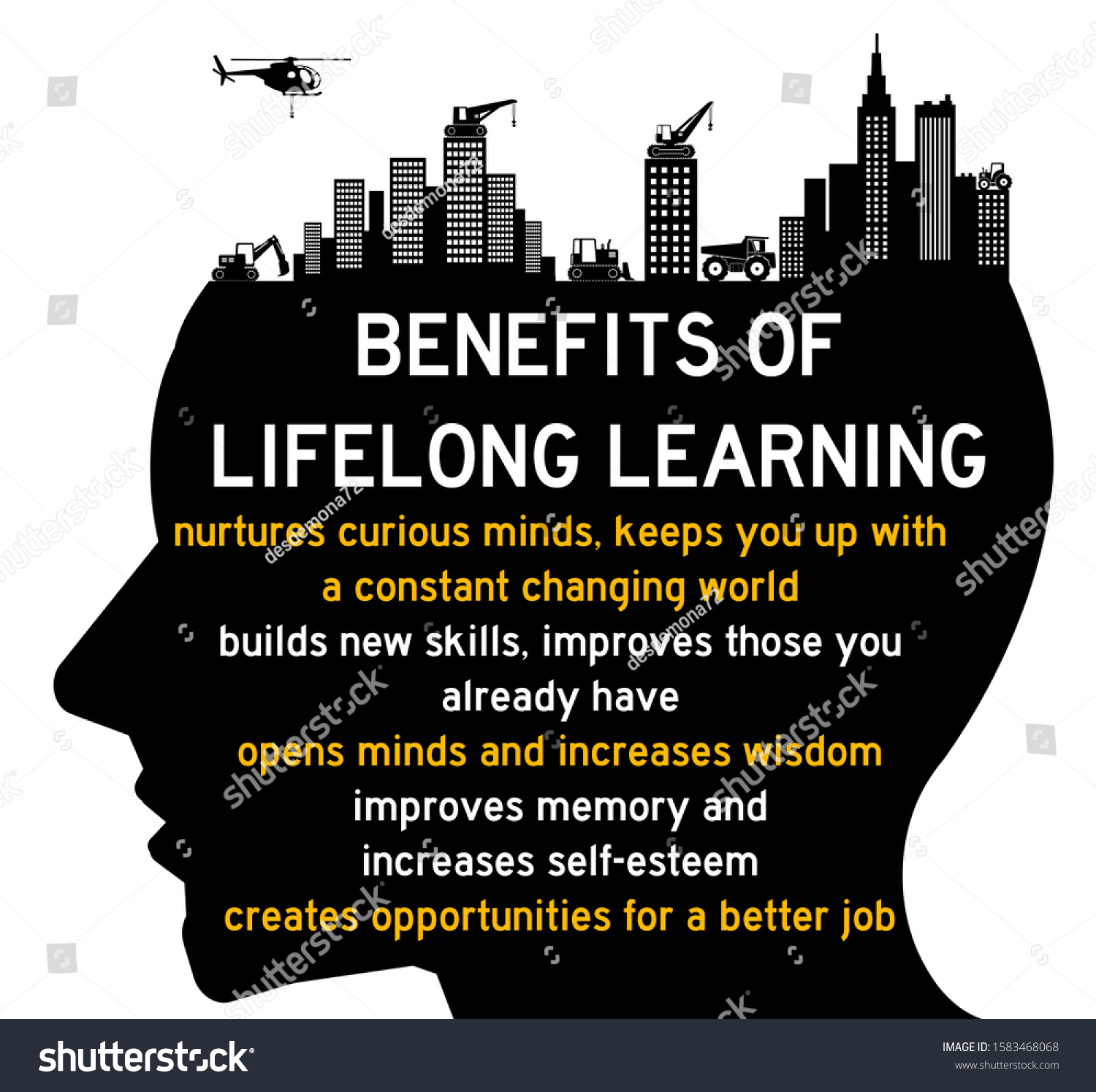
    You know, the world’s changing fast. Like, really fast. What was relevant ten years ago is probably outdated now. That’s where lifelong learning comes in. It’s about never really stopping the process of learning, no matter your age, background, or where you’re at in life. Sounds simple? Sure. But trust me, it’s a game-changer. And not just for career growth — for your mental health, your confidence, and even your happiness.

    Why bother? Well, first off, it keeps your brain active.

    Think about muscles — if you don’t use ‘em, they start to weaken. Same with your brain. Keeping your mind engaged by learning new things — new skills, new perspectives, new knowledge — helps preserve cognitive function. You don’t want to wake up one day and realize you’re not as sharp as you used to be, right? Lifelong learning helps delay cognitive decline, and studies have shown it even reduces the risk of dementia.

    Plus, it’s stimulating. Learning challenges your brain and keeps boredom at bay. That feeling of “I’ve got this” when you master something new? Yeah, that’s confidence boosting too.

    It’s not just about the brain, though.

    Lifelong learning makes you more adaptable. In today’s job market, change is the only constant. Skills that were hot five years ago? May be completely obsolete now. New technologies, new ways of working, new trends pop up all the time. If you’re stuck doing the same thing, with the same outdated knowledge, you’re likely to get left behind. But if you keep learning, you can adapt, switch gears, even reinvent yourself.

    Seriously, think about those people who lost their jobs due to automation or market shifts. Many of them bounce back because they stayed curious, learned new skills, and didn’t let fear stop them from evolving. That’s the power of continuous learning.

    Beyond the work stuff… there’s personal growth.

    When you make learning a lifelong habit, it’s like opening the door to new worlds. More books, new languages, different cultures, new hobbies. It opens your mind and makes you more tolerant, empathetic. You start realizing that there’s always more to discover — about yourself and others.

    For example, picking up a new language challenges your brain in ways that boost memory and multitasking. Learning about different cultures broadens your perspective. It makes you less judgmental, more understanding. These qualities are invaluable, especially in today’s interconnected world.


    It also boosts your confidence and sense of purpose.

    Ever felt stuck in a rut? Like, doing the same day over and over? Learning something new can shake things up. It reminds you that you’re capable of growth — no matter how old you are. Quitting is easy, but pushing yourself to learn keeps you motivated. It builds resilience, patience, and persistence.

    Plus, mastering a new skill or achieving a goal gives a real sense of accomplishment. It fuels your sense of purpose. Whether it’s learning to cook, coding, or playing a musical instrument, those little successes keep you motivated and feeling alive.

    And let’s not forget social benefits.

    Engaging in new courses, workshops, or hobby groups connects you with like-minded people. Building a learning community, even online, creates social bonds. That’s important because humans are social creatures. These connections can help reduce loneliness and boost mental well-being.

    Think about those adult learning classes or community workshops. You not only gain knowledge but also create friendships, develop communication skills, and feel part of something bigger.

    Now, I get it — life is busy.

    Work, family, responsibilities — doesn’t leave much room for extra stuff. But lifelong learning isn’t about you dedicating hours daily. It’s about small, consistent steps. Listening to podcasts during your commute, reading a few pages before bed, taking online courses at your own pace. It’s flexible and adaptable.

    The key is curiosity. Stay curious about the world, about yourself. Keep asking questions. Read, explore, experiment. Over time, these small habits compound into a vast fountain of knowledge and self-improvement.

    In the end, it’s about thriving, not just surviving.

    It’s easy to fall into a routine, especially when life gets hectic. But the truth is, learning keeps your mind and life vibrant. It pushes you to grow, to evolve, and to better handle whatever life throws at you. It’s about taking control of your own development — forever.

    So yeah, lifelong learning is a mindset, a way of life. It’s about embracing the idea that you’re never truly done growing. And honestly? It makes the

  • Top 10 Books Every Student Should Read

    Top 10 Books Every Student Should Read

    When it comes to growing as a person, expanding your mind, and preparing for the future, books are pretty much your best friends. But with so many out there, it’s hard to know where to start. So I’ve put together a list of the top 10 books every student should read at some point. These aren’t just boring textbooks or dry classics — they’re eye-opening, inspiring, sometimes challenging, but always worth your time.

    1. To Kill a Mockingbird by Harper Lee

    This novel is a classic for a reason. It’s about innocence, morality, and justice in a small Southern town. The story’s told through Scout, a young girl, as her father, Atticus Finch, defends a black man unjustly accused of a crime. It’s a powerful story about empathy, prejudice, and standing up for what’s right. Reading it as a student helps you understand complex social issues and see the world from different perspectives.

    2. 1984 by George Orwell

    Big Brother is watching — a phrase that’s become part of daily language, thanks to Orwell. This dystopian novel explores themes of surveillance, government control, and personal freedom. It feels especially relevant today, with technology making privacy a rare commodity. For students, 1984 is more than just a story; it’s a warning about the importance of free thought and the dangers of authoritarianism.

    3. The Alchemist by Paulo Coelho

    A bit more philosophical, this one’s about following your dreams and listening to your heart. It’s an easy read but deep in meaning. Santiago’s journey — searching for treasure and, ultimately, discovering himself — resonates with anyone trying to find their purpose in life. It encourages students to trust their instincts and embrace their personal legend, whatever that may be.

    4. The Great Gatsby by F. Scott Fitzgerald

    Here’s a glimpse into the roaring twenties — jazz, champagne, and the elusive American Dream. Gatsby’s story is about ambition, love, and the pursuit of happiness, but also about illusion and disillusionment. This book helps students understand the complexities of success and the emptiness that sometimes accompanies material wealth. It’s beautifully written, poetic even, and forces you to question what’s truly valuable.

    5. Sapiens: A Brief History of Humankind by Yuval Noah Harari

    Not exactly a novel, but a fascinating nonfiction read that every student should digest. It covers the entire history of human beings — from ancient species to modern societies. Harari’s writing is engaging and full of insights about how we got where we are today. It’s eye-opening for understanding ourselves and the world around us, and it sparks a lot of questions about the future of humankind.

    6. The Diary of a Young Girl by Anne Frank

    This is a real, raw account of a young Jewish girl hiding from the Nazis during World War II. Her diary is intense, heartbreaking, but also filled with hope and resilience. It’s an important reminder of the horrors of intolerance and the strength of the human spirit. For students, it’s a powerful lesson on empathy, history, and the importance of standing against injustice.

    7. Pride and Prejudice by Jane Austen

    A classic romance, but more than that. It’s about society, class, manners, and the importance of personal integrity. Elizabeth Bennet is smart, witty, and ahead of her time, challenging stereotypes and norms. For students, it’s a great introduction to classic literature and timeless themes about love, pride, and understanding.

    8. Thinking, Fast and Slow by Daniel Kahneman

    Okay, this one’s a bit more technical, but it’s super valuable. It dives into how our brains work — the fast, intuitive thought process vs. the slow, deliberate reasoning. Understanding this can help students make better decisions, think more critically, and avoid common mental pitfalls. It’s a must-read for anyone who wants to sharpen their thinking skills and understand human behavior.

    9. The Lord of the Rings by J.R.R. Tolkien

    More than just Hobbit stories, this epic fantasy is about courage, friendship, and good versus evil. It’s a journey, literally and metaphorically, that rewards patience and perseverance. For students, it’s a great way to learn about storytelling, creativity, and enduring hope.

    10. Quiet: The Power of Introverts in a World That Can’t Stop Talking by Susan Cain

    This one challenges the loud, extrovert-centric world we live in. It’s about valuing silence, reflection, and deep thinking — qualities often associated with introverts. For students, especially those who feel overshadowed or misunderstood,

  • How to Build Confidence as a Student

    How to Build Confidence as a Student

    Confidence is one of the biggest factors that shapes your success as a student. When you’re confident, you speak up in class, try new challenges, and trust your ability to learn. When your confidence is low, even simple tasks can feel scary. You might hesitate to raise your hand, avoid group discussions, or doubt yourself during tests. The truth is, confidence isn’t something some people are born with and others are not. It is something you build over time. Just like a muscle, the more you use it, the stronger it becomes.

    Let’s talk in a natural, real way about how to build that confidence step by step — without pressure, without comparing yourself to others, and without pretending to be someone you’re not.

    1. Understand That Confidence is Built Through Action

    Many students think confidence comes before trying something new.
    But in reality, confidence comes after trying, even if you’re not perfect at first.

    Think of learning to ride a bicycle.
    The first time, you were unsure. You were scared. You probably fell.
    But you kept going — and confidence grew.

    It works the same way with:

    • Speaking in class
    • Solving math problems
    • Making presentations
    • Asking questions

    Confidence grows by doing — not by thinking about doing.

    2. Start Small and Take One Step at a Time

    You don’t need to change everything at once.
    Choose one small thing to work on:

    Examples:

    • Raise your hand to answer just one question per day.
    • Study for 10 extra minutes.
    • Speak one sentence louder than usual.

    These small wins add up.
    Success comes from consistent small steps, not giant leaps.

    3. Stop Comparing Yourself to Others

    Comparison is one of the biggest confidence killers.

    There will always be someone:

    • Who learns faster
    • Who speaks more fluently
    • Who scores higher
    • Who appears more confident

    But here’s the truth:
    Everyone struggles with something — even the students who look confident.

    Your journey is your own.
    Focus on improving compared to yourself, not others.

    4. Recognize Your Strengths

    Confidence doesn’t mean being good at everything.
    Confidence means knowing what you are good at.

    Maybe you are:

    • Good at drawing
    • Good at listening to others
    • Good at remembering stories
    • Good at sports
    • Good at helping people
    • Good at organizing
    • Good at creativity and ideas

    Write down your strengths on paper.
    Seeing them makes you realize you already have value.

    5. Prepare — Confidence Loves Preparation

    When you understand a topic well, speaking becomes easier.

    To build strong preparation:

    • Review lessons daily, even for 10 minutes.
    • Make simple notes.
    • Teach the topic to someone else — even a younger sibling.

    Teaching something is one of the most powerful ways to learn.

    When you know your material, confidence naturally increases.

    6. Practice Positive Self-Talk

    Your mind listens to your words.
    If you keep telling yourself:

    • “I can’t do this.”
    • “I am not smart enough.”
    • “Everyone else is better than me.”

    Your mind will believe it.

    Replace those thoughts with:

    • “I’m learning.”
    • “I can improve.”
    • “Mistakes help me grow.”
    • “I deserve to learn and succeed.”

    Speak to yourself the way you would speak to a friend who needs encouragement.

    7. Learn to Accept Mistakes — They Are Part of Learning

    Mistakes are not failures.
    They are signals showing you where to improve.

    Every great student, leader, speaker, or achiever has made mistakes — again and again.

    If you make a mistake:

    • Take a breath
    • Analyze what went wrong
    • Try again with a better understanding

    You don’t lose when you fall.
    You lose when you refuse to get back up.

    8. Surround Yourself with Supportive People

    Confidence grows in a positive environment.

    Choose friends who:

    • Encourage you
    • Inspire you
    • Celebrate your progress
    • Make you feel safe speaking

    Stay away from:

    • People who mock you
    • People who discourage you
    • People who always compete with you

    Your environment influences your confidence more than you think.

    9. Practice Speaking — Even If It’s With Yourself

    If speaking in class feels scary, start practicing alone.

    You can:

    • Talk to yourself in the mirror
    • Record your voice and listen to it
    • Practice reading aloud daily

    Bit by bit, your voice becomes stronger and clearer.

    When the moment comes to speak in front of others, your mind will already know the feeling.

    10. Celebrate Your Progress — Even Small Wins

    Did you answer one question in class today?
    Celebrate it.

    Did you study when you didn’t feel like it?
    Celebrate it.

    Did you try something new?
    Celebrate it.

    The more you acknowledge progress, the more motivated and confident you become.

    Confidence grows through kindness to yourself.

  • How to Stay Safe While Learning Online

    How to Stay Safe While Learning Online

    In today’s world, online learning has become a normal part of education. Students attend virtual classes, complete homework using digital tools, and search for information on the internet every day. Learning online is convenient and flexible. You can study from home, learn at your own pace, and explore topics that may not even be available in your school. However, just like the real world, the online world has risks. Not every website is safe, not every message is trustworthy, and not every person online has good intentions. That is why online safety is extremely important for every student.

    Staying safe online is not difficult. You just need to understand some smart habits that keep your information private and your experience positive. Let’s break it down step-by-step so that learning online becomes safe, enjoyable, and stress-free.

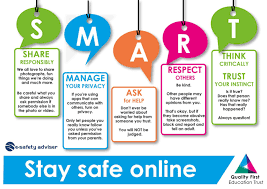
    1. Be Careful About Sharing Personal Information

    One of the biggest mistakes students make is sharing too much online. For example:

    • Full name
    • Home address
    • School name
    • Phone number
    • Photos and personal videos

    Sharing these details can make you a target for scammers or strangers. The rule is simple:
    If you would not tell something to a person you just met in real life, do not share it online.

    Even when you sign up for apps or websites, double-check why they need your data. If something feels unnecessary or suspicious, avoid it.

    2. Use Strong Passwords and Keep Them Private

    Your password is like the key to your digital world. Never use simple passwords like:

    • 12345
    • your name
    • your birthdate

    Instead, create strong passwords using a mix of:

    • Uppercase letters (A, B, C…)
    • Lowercase letters (a, b, c…)
    • Numbers (1, 2, 3…)
    • Symbols (! @ # $ %)

    For example:
    TreeHouse!92 is much safer than treehouse or 123456.

    Also:

    • Do not share passwords with friends.
    • If your device allows, use two-factor authentication for extra security.

    3. Think Before You Click Any Link

    Sometimes websites look attractive or offer something “for free.” But these could be scams.
    A single click on the wrong link can:

    • Install a virus
    • Steal your data
    • Lock your device

    So before clicking:

    • Check the website name
    • Avoid pop-up ads
    • Ignore random download buttons

    If a link feels suspicious or looks too good to be true, just skip it.

    4. Learn to Recognize Fake Information

    The internet is full of helpful knowledge — but also full of misinformation. Some websites spread wrong facts on purpose.

    To check reliability:

    • Search the same information on different websites
    • Prefer educational, government, or library-based websites
    • Ask teachers if something doesn’t seem right

    Being a student means not just collecting information, but learning how to evaluate it.

    5. Be Kind and Respectful During Online Classes

    Online spaces are also real spaces.
    What you say online affects real people.

    So:

    • Do not tease or bully classmates in chats
    • Do not share screenshots of private conversations
    • Do not interrupt during class sessions

    Respect builds a positive environment for everyone.

    6. Protect Your Device

    Your device is your learning tool. Keep it safe by:

    • Installing antivirus software
    • Updating your system regularly
    • Avoiding illegal downloads
    • Not connecting to unknown public Wi-Fi networks when possible

    A protected device helps protect your data too.

    7. Take Breaks to Protect Your Mental Health

    Online learning can make you stare at the screen for long hours. This leads to:

    • Headaches
    • Eye strain
    • Fatigue
    • Stress

    Practice the 20-20-20 rule:
    Every 20 minutes, look at something 20 feet away for at least 20 seconds.

    Take short breaks to move around, stretch, and drink water.
    A healthy mind learns better.

    8. Report Anything That Makes You Uncomfortable

    If someone online:

    • Asks for personal photos
    • Uses inappropriate language
    • Tries to meet in person
    • Threatens or pressures you

    Tell a trusted adult immediately.

    You do not need to deal with that alone.

  • Online vs Traditional Education – Which Is Better?

    Online vs Traditional Education – Which Is Better?

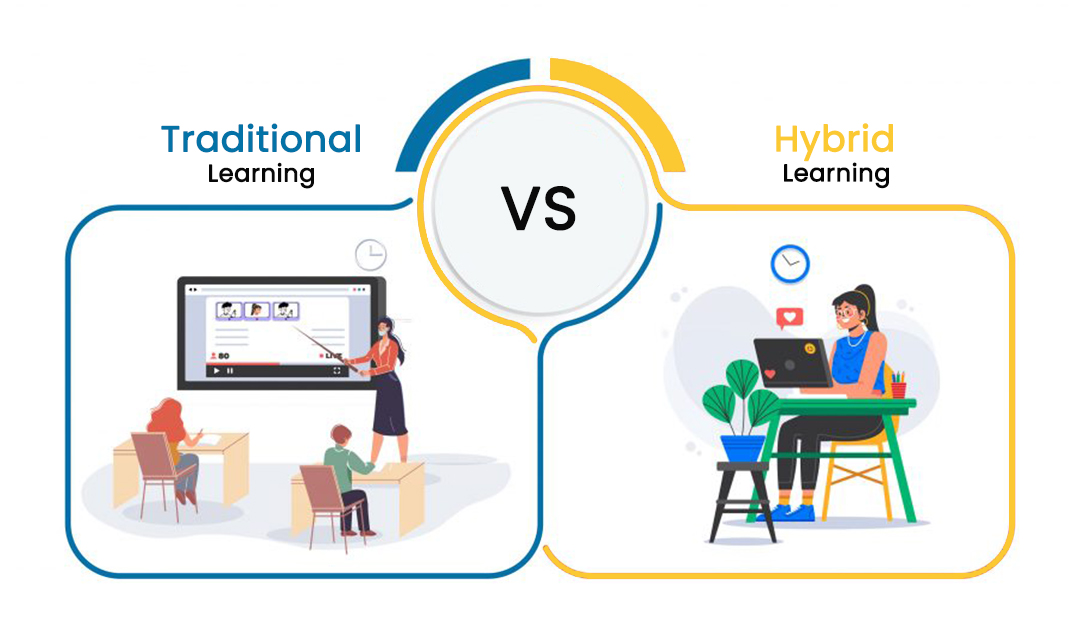
    Education has changed a lot in recent years. With the internet becoming a major part of daily life, many students now study online instead of attending physical classrooms. This raises an important question: Is online education better than traditional classroom education, or vice versa?

    To understand this, we need to compare both methods.

    Traditional Education

    This is the system most of us are familiar with. Students sit in classrooms, listen to teachers, interact with classmates, and follow a fixed schedule.

    Advantages

    Disadvantages

    • Students learn at the same pace, even if they need more time
    • Travel time is required
    • Classes may sometimes feel too strict or repetitive

    Online Education

    Online education happens through digital platforms such as Zoom, Google Classroom, or YouTube lessons.

    Advantages

    • Learn from anywhere
    • Study at your own pace
    • Access to global teachers and courses
    • Flexible schedule

    Disadvantages

    • Requires strong self-discipline
    • Less face-to-face interaction
    • Screen time can be high
    • Internet access is necessary

    Which One Is Better?

    The answer depends on the student’s needs.

    If a student needs:Better Option
    Structure & disciplineTraditional
    Flexibility & independenceOnline
    Social developmentTraditional
    Self-paced learningOnline
    Hands-on practiceTraditional
    Access to resourcesOnline

    In many cases, the best solution is a mix of both, known as Blended Learning.

    Conclusion

    Both online and traditional education have unique strengths. Instead of asking which is better, we should ask which one suits a student’s personality and goals. The future of education may combine the best of both worlds to create a flexible, interactive, and balanced learning environment.

  • Top 10 High‑Income Skills to Learn in 2025

    Top 10 High‑Income Skills to Learn in 2025

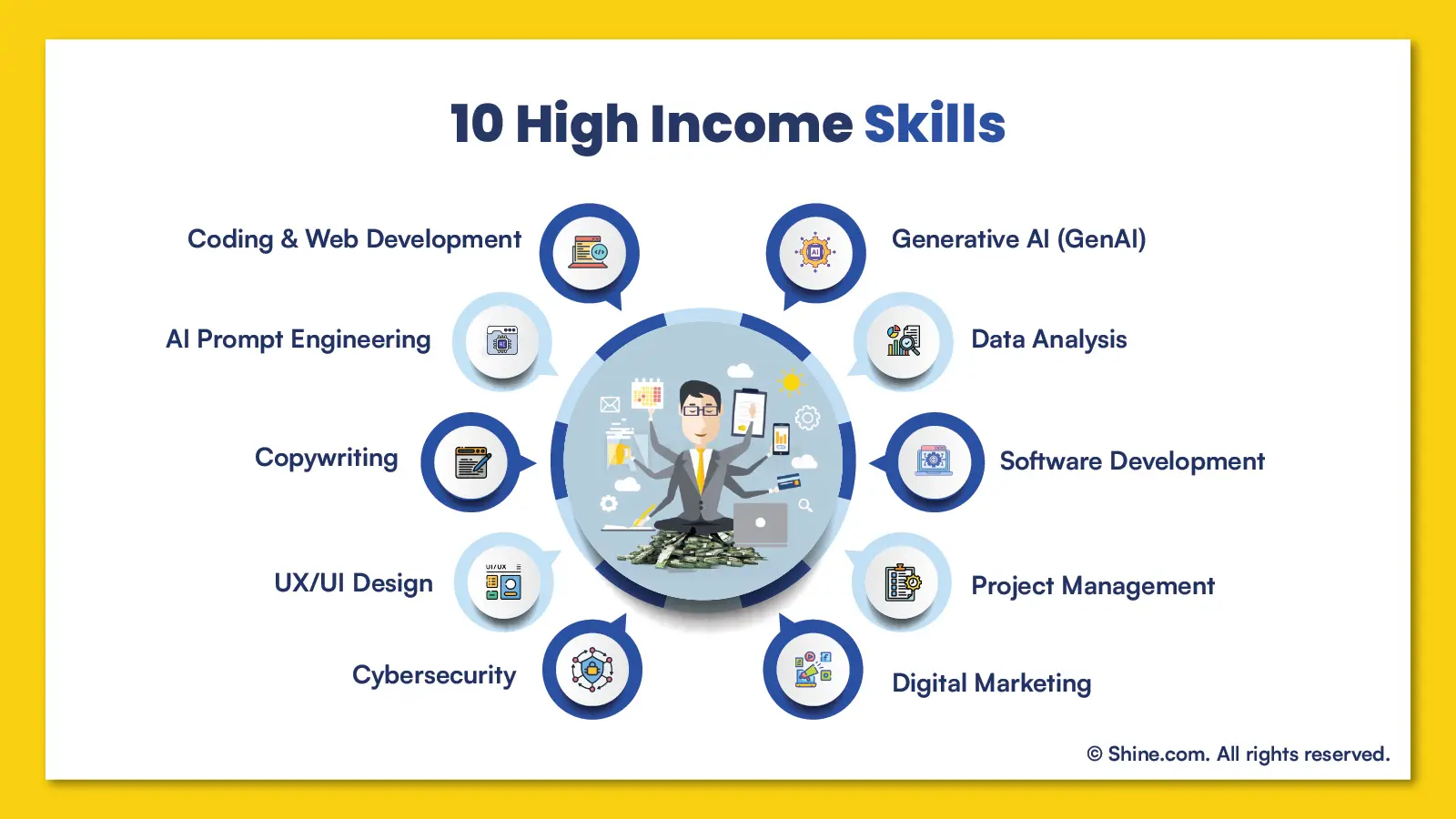
    In 2025 the job market is shifting fast. AI, automation, digital business, global hiring—all of it’s changing the rules. What used to guarantee good pay (just a degree, decent job) isn’t enough anymore. Instead, skills matter more than ever. High‑income skills are those abilities you can learn and then make a substantial income from—either in a job, freelancing or your own venture. Here are ten top ones to target.

    1. Generative AI / Prompt Engineering

    Generative AI (things like text‑to‑image, chatbots, code generation) is no longer niche. Businesses want people who can craft prompts, fine‑tune models, integrate AI into workflows. It’s a high value skill now. One source says generative AI will be one of the biggest paying fields in 2025. If you’re comfortable with writing, logic and experimenting—this could be for you.

    2. Data Analysis & Interpretation

    The phrase “data is the new oil” still holds. Companies collect massive amounts of data—but they need people who can extract insights, visualise them and make decisions from them. Skills: SQL, Excel, Tableau, Python basics. If you enjoy making sense of numbers, this is super high value.

    3. Software Development / Web & App Development

    Code still pays. Learning to build apps, websites, backend systems—these skills remain in high demand. Even in 2025, web dev, mobile dev, full‑stack dev are very much jobs you can go into.
    But the trick is to specialise or pick a niche, because general dev is crowded.

    4. Cybersecurity

    As businesses move everything online, risk goes up. Cyber attacks, data leaks, regulatory pressures—they all mean demand for cybersecurity experts. One source lists it as a top skill for 2025
    If you’re detail‑oriented, interested in networks, safety, this could be a goldmine.

    5. Cloud Computing & Infrastructure

    The backbone of digital business is the cloud. Skills like AWS, Azure, Google Cloud, containerisation, DevOps—they’re not glamorous, but they pay. Many companies pay a premium for engineers who can run, scale and secure cloud infrastructure.
    Worth learning if you like systems rather than just apps.

    6. UX/UI Design

    Great products need to be usable and enjoyable. That’s where UX / UI designers come in. They’re in demand because companies realise good design keeps users and makes money. It’s one of the high‑income skills according to recent lists.
    If you’re creative and logical, this might be your sweet spot.

    7. Copywriting & Content Strategy

    Words still matter. Especially online, where businesses need to persuade, engage, convert. Skilled copywriters who understand psychology, digital marketing, SEO can earn very well. One list says copywriting is definitely a high‑income skill for 2025
    Even if you start small, the premium for good writing is big.

    8. Digital Marketing & SEO

    Digital marketing has evolved. Not just running ads, but data‑driven campaigns, SEO, content, social strategy. Companies and freelancers both pay well. It shows up in nearly every list of high‑income skills.
    If you understand behaviour, trends, and business, this skill is gold.

    9. Sales & Persuasion / High‑Ticket Closing

    No matter how automated things become, someone still has to sell. High‑income comes when you can sell big value deals, close complex clients, master negotiation. One list even puts “sales & persuasion” as one of the top skills for 2025.
    This one is for people who love talking, influencing, connecting.


    10. No‑Code / Low‑Code Development & Automation

    As tools get more powerful, many businesses want to automate workflows without full dev teams. So knowing no-code platforms, workflow automation, building MVPs quickly—these skills will be highly paid because they’re scarce. One source mentions no‑code as part of high‑income skills for 2025.
    Good entry point if you’re not hardcore programmer but still want tech‑earnings.

    How to Choose & Get Going

    Pick a skill that matches your interest + growing demand. Don’t just do what’s “hot.” Because if you hate it, you’ll quit. Then: schedule time to learn. Use online courses, build a portfolio, get real projects (even unpaid to start). Stay curious.
    Also combine skills. For example: a copywriter who knows SEO + analytics = more value. Data analyst who knows AI + cloud = even higher. Skills stack. According to research, the value of a skill increases when you combine it with others.
    Finally, don’t wait. Starting early gives you edge. Mistakes are fine—what counts is progress.

    Final Thought

    2025 is full of opportunity—but it’s also full of competition. The folks earning really well won’t just have random skills—they’ll have high‑income skills that solve big problems. The ten listed here are the ones worth your time. Pick one, commit to learning, build real‑world experience. Focus on demand and your own strength. Because income often follows value created, not just time spent. In the end, your skill becomes your asset. Stack it, refine it, and let it open doors you didn’t imagine.