Author: admin

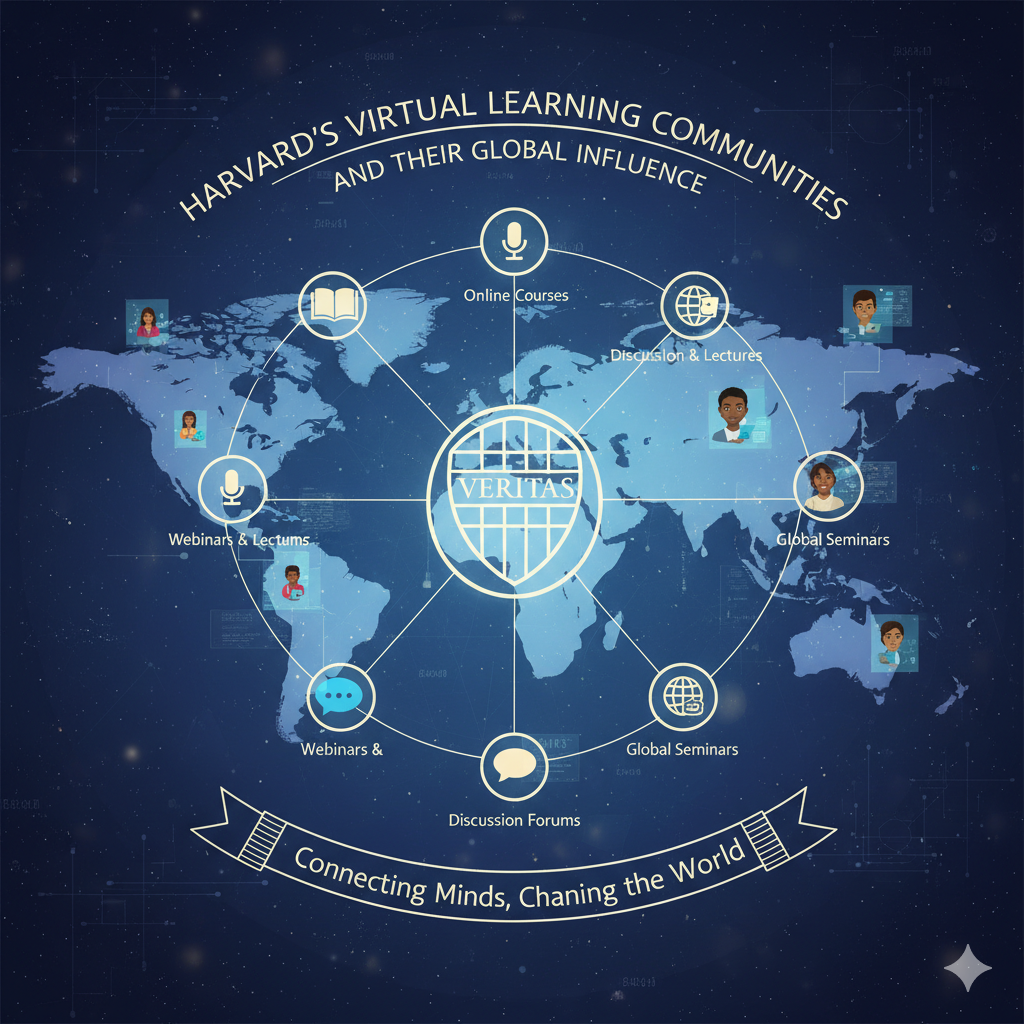
  • Harvard’s Virtual Learning Communities and Their Global Influence

    Harvard’s Virtual Learning Communities and Their Global Influence

    In the past decade, the landscape of education has undergone a digital transformation, and Harvard University has been at the forefront of this evolution. Through its virtual learning communities, Harvard has extended its classrooms far beyond Cambridge, Massachusetts, connecting learners from every continent. These online platforms represent not just the modernization of education, but the democratization of knowledge — making world-class instruction accessible to anyone with an internet connection.

    What Are Harvard’s Virtual Learning Communities?

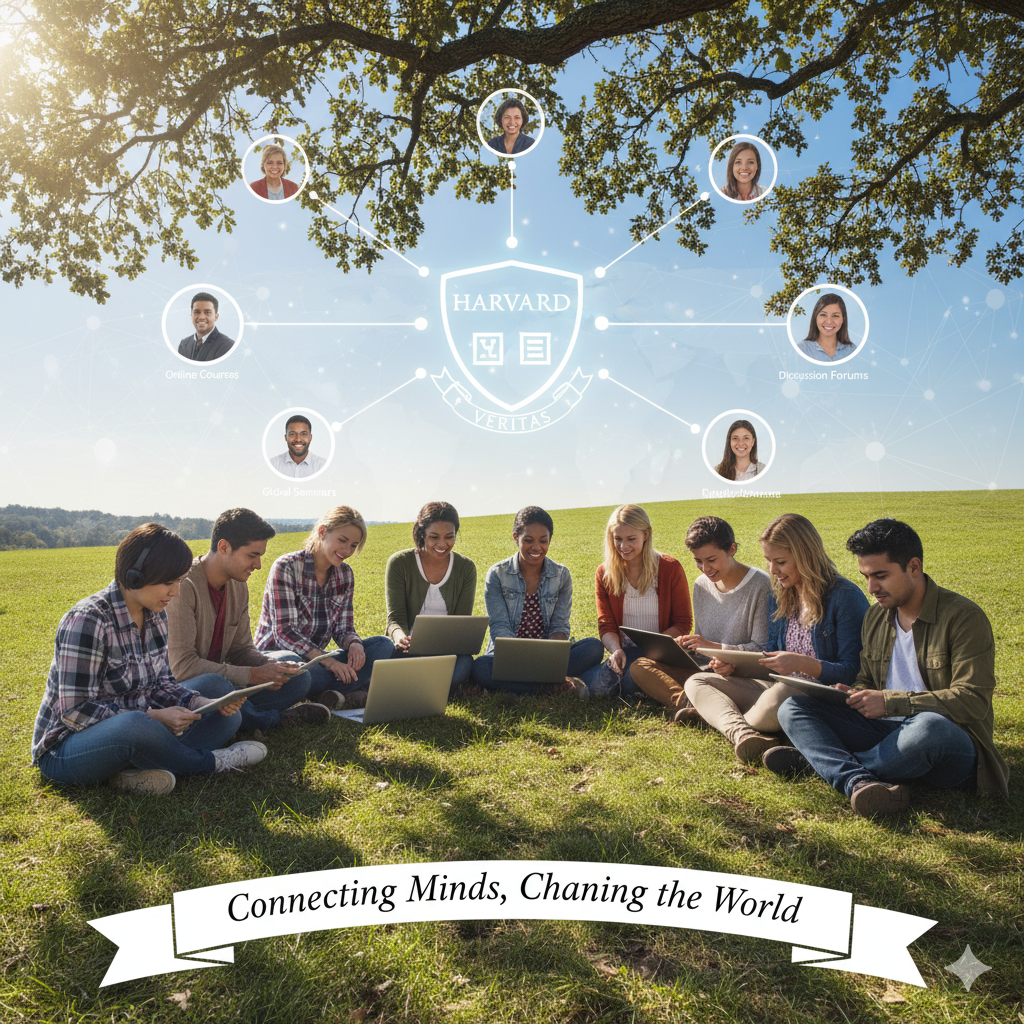
    Harvard’s virtual learning communities are interactive online environments where students, educators, and professionals collaborate to explore academic topics, share insights, and solve real-world problems. These communities exist across multiple platforms, including Harvard Online Learning, HarvardX, and Harvard Extension School.

    Unlike traditional online courses that focus solely on lectures and assignments, Harvard’s virtual communities emphasize peer interaction, group discussions, mentorship, and collaboration. Students are encouraged to participate in virtual seminars, forums, and study groups — creating an environment that mirrors the intellectual exchange found on campus.

    A Global Classroom Without Borders

    The most remarkable feature of Harvard’s online learning communities is their global reach. Learners from Asia, Africa, Europe, and the Americas come together in shared digital spaces. This international participation enriches every discussion, offering diverse perspectives and cultural insights that a traditional classroom might lack.

    Through these platforms, students can engage in cross-cultural dialogue, network with professionals worldwide, and develop a deeper understanding of global issues such as sustainability, technology ethics, and healthcare innovation. The Harvard experience, once reserved for a select few, is now shared by millions of learners who bring unique viewpoints to the same virtual table.
    Accessibility and Educational Equality

    One of Harvard’s main goals in developing virtual learning communities is inclusivity. By offering free and affordable online courses through platforms like edX (HarvardX), the university ensures that financial barriers do not prevent access to quality education.

    Courses in fields like computer science, public health, business management, and the humanities are available to anyone — regardless of background or geography. These programs empower students from developing nations to gain skills that improve employability and drive community development.

    In this way, Harvard’s virtual learning communities contribute to educational equality, providing opportunities for lifelong learning to individuals who may never set foot on campus.

    Interactive and Collaborative Learning Experience

    Harvard’s online learning model is built on active engagement. Participants don’t just watch lectures — they interact with instructors and peers, complete real-world projects, and receive feedback from professionals.

    Discussion boards, live Q&A sessions, and virtual breakout rooms simulate the experience of an on-campus seminar. Many programs include team-based projects, encouraging collaboration and problem-solving. This not only builds academic skills but also fosters digital communication and teamwork, essential competencies in today’s globalized workforce.

    Technological Innovation and Learning Design

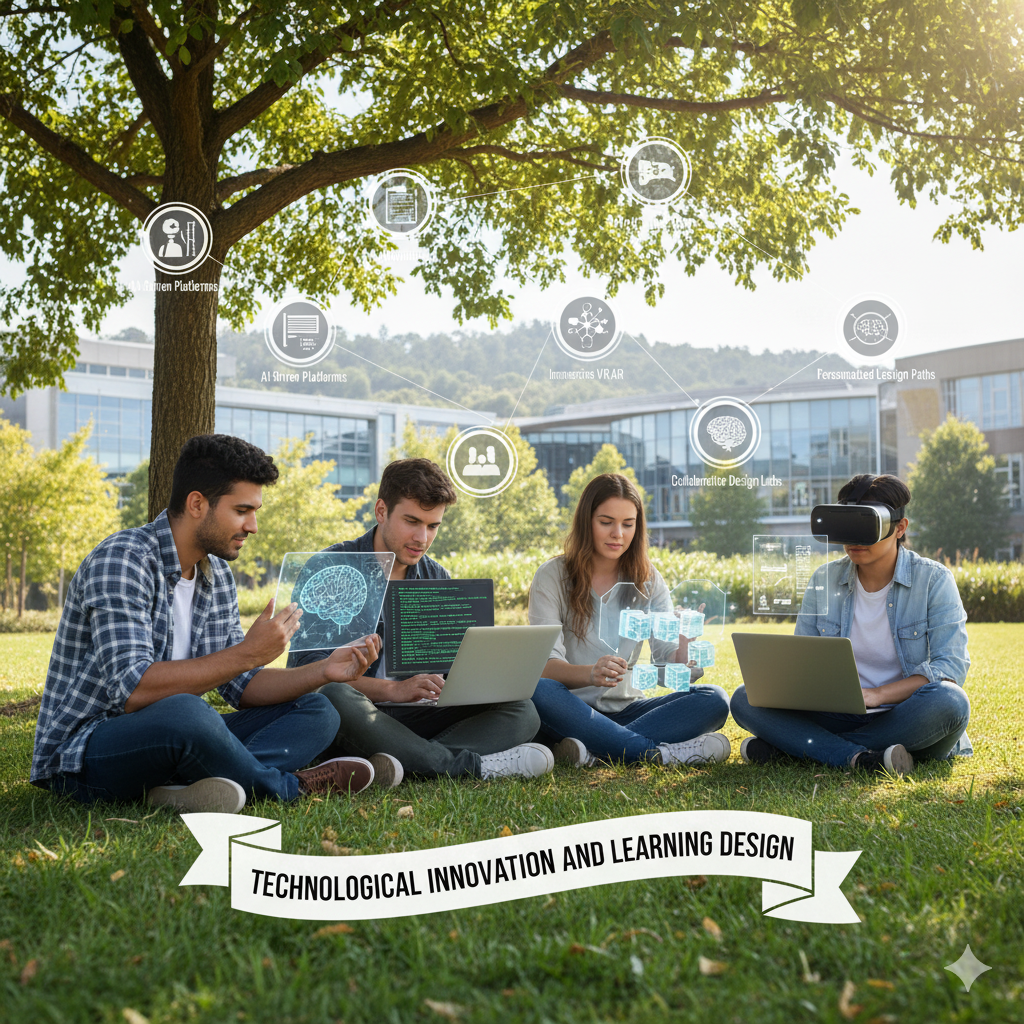
    Behind Harvard’s successful virtual learning ecosystem is a strong focus on educational technology. The university invests heavily in creating digital tools that enhance learning outcomes.

    These include:

    • AI-based feedback systems that help assess student progress in real-time.
    • Interactive simulations and virtual labs for hands-on learning in science and engineering.
    • Data analytics to track learner engagement and improve course design.

    By merging pedagogy with technology, Harvard sets new benchmarks for how virtual learning can be both rigorous and engaging.

    Professional and Academic Networking
    Another defining feature of Harvard’s online communities is the opportunity for networking. Students gain access to forums and alumni spaces where they can connect with global professionals, scholars, and entrepreneurs.

    Many learners form long-term collaborations or mentorship relationships that extend beyond the course. This network of connections helps participants build professional credibility and opens doors to research opportunities, startups, and career advancement.

    Thus, Harvard’s virtual learning communities don’t just offer education — they create pathways to global collaboration.

    Influence on Global Education

    The success of Harvard’s digital learning initiatives has inspired universities and institutions around the world. Many have adopted similar models of open online learning, emphasizing accessibility, interactivity, and global participation.

    Moreover, the widespread availability of Harvard’s online resources has raised the overall standard for e-learning platforms. Educational institutions in developing countries have begun using Harvard’s course structures as blueprints to design their own digital programs, thereby strengthening local educational ecosystems.

    The Future of Learning at Harvard and Beyond

    As technology continues to evolve, Harvard’s virtual learning communities are poised to grow even more dynamic. With advancements in virtual reality, AI tutoring, and interactive learning analytics, the next generation of online education will be even more personalized and immersive.

    Harvard’s commitment to innovation ensures that it will remain a global leader in shaping the future of education — not by confining knowledge within walls, but by sharing it with the world.

    Conclusion

    Harvard’s virtual learning communities have redefined what it means to learn and connect in the 21st century. By blending innovation, inclusivity, and global collaboration, Harvard has created a model that transcends geographical and socioeconomic boundaries. Its influence continues to ripple across the educational landscape, proving that when knowledge is shared freely, it has the power to transform lives everywhere.
  • How Harvard Professors Redefine Critical Thinking in Modern Education

    How Harvard Professors Redefine Critical Thinking in Modern Education

    In today’s fast-changing world, critical thinking has become more than just a skill — it is a survival tool. With the rapid evolution of technology, information overload, and diverse global perspectives, educators are reimagining what it means to think critically. Among the leaders of this transformation are Harvard University professors, who have reshaped how critical thinking is understood and practiced in modern education.

    The Evolution of Critical Thinking

    Traditionally, critical thinking was often defined as logical reasoning or the ability to evaluate arguments. However, Harvard professors argue that this narrow view fails to capture the full spectrum of how people learn and apply reasoning in complex, real-world situations.

    At Harvard, critical thinking is not merely about analyzing data or questioning assumptions. It is about developing intellectual curiosity, emotional intelligence, and ethical judgment — a blend that prepares students to face unpredictable challenges. Professors encourage learners to move beyond memorization and to instead focus on reflection, analysis, and creative problem-solving.

    The Harvard Approach: Thinking Beyond the Textbook

    Harvard’s teaching model promotes an active, discussion-based environment that challenges students to question even the most established ideas. Professors use case studies, debates, and open-ended questions to foster deeper understanding.

    For instance, in the Harvard Graduate School of Education, students are encouraged to connect theory with practice. They explore how thinking critically can lead to better decision-making in classrooms, leadership roles, and social policy. Similarly, in Harvard Business School, the case study method forces students to evaluate multiple perspectives before reaching conclusions.

    This approach ensures that students are not just absorbing information — they are constructing knowledge through dialogue, reasoning, and reflection.

    Core Elements of Harvard’s Critical Thinking Framework

    Harvard professors emphasize that critical thinking should be viewed as a multidimensional process. According to educational experts at the university, there are four key pillars:

    1. Inquiry and Curiosity – Students learn to ask meaningful questions rather than seek immediate answers.
    2. Evidence-Based Reasoning – Every idea must be supported by data, logic, or credible experience.
    3. Perspective-Taking – Learners examine problems from diverse viewpoints, fostering empathy and inclusivity.
    4. Reflection and Self-Awareness – Understanding one’s own biases and assumptions is central to making sound judgments.

    Through this framework, Harvard professors redefine critical thinking as a lifelong learning process, not just an academic exercise.

    Integrating Critical Thinking with Real-World Learning

    Modern education demands that students not only think critically but also apply their insights in practical contexts. Harvard’s programs integrate real-world challenges into coursework to bridge the gap between theory and action.

    For example, students in environmental studies may evaluate the ethics of sustainability decisions, while those in technology policy might explore the societal implications of artificial intelligence. This practical application helps learners understand that critical thinking involves responsibility, adaptability, and global awareness.

    By working on interdisciplinary projects, Harvard students learn to collaborate, communicate, and innovate — qualities that define successful leaders in today’s interconnected world.

    The Role of Emotional and Ethical Intelligence

    One of the most groundbreaking ideas from Harvard educators is that critical thinking is inseparable from emotional intelligence and ethics. Professors argue that logical reasoning alone cannot address complex human issues such as inequality, climate change, or digital privacy.

    At the Harvard Kennedy School, for example, discussions about leadership often involve moral dilemmas. Students are encouraged to reflect on their values and the broader consequences of their decisions. This approach helps them cultivate ethical reasoning, a vital aspect of modern critical thinking that balances rationality with empathy.

    Technology and Critical Thinking in the Digital Age

    In an age dominated by social media, AI, and instant information, Harvard professors stress that critical thinking is more crucial than ever. Digital platforms often amplify misinformation and emotional reactions, making it harder for individuals to think objectively.

    Harvard’s Digital Literacy Project teaches students how to evaluate online sources, recognize biases, and engage in constructive digital dialogue. Instead of rejecting technology, educators emphasize using it as a tool for analysis and creativity, not passive consumption.

    This blend of critical literacy and digital awareness prepares learners to thrive in a world where truth and perception often collide.

    Why the Harvard Model Matters for Global Education

    Harvard’s redefinition of critical thinking has influenced educational systems worldwide. Universities and schools increasingly adopt discussion-based learning, problem-solving curricula, and interdisciplinary projects inspired by the Harvard model.

    This transformation reflects a shift from teaching what to think to teaching how to think. It empowers students to become independent learners, responsible citizens, and thoughtful leaders capable of tackling future challenges.

    Conclusion

    Harvard professors are redefining critical thinking by merging logic with empathy, evidence with ethics, and analysis with creativity. Their approach goes beyond traditional education models — it nurtures the whole thinker, capable of questioning, innovating, and leading in an uncertain world.

    As modern education continues to evolve, Harvard’s vision reminds us that critical thinking is not just an academic concept but a human necessity — one that shapes the way we understand ourselves, others, and the future of learning.

  • The Importance of Knowledge Management in Modern Business Practices

    The Importance of Knowledge Management in Modern Business Practices

    Understanding Knowledge Management and Its Evolution in Business

    Alt text: A contemporary office environment emphasizing knowledge management and fostering collaboration in business settings.

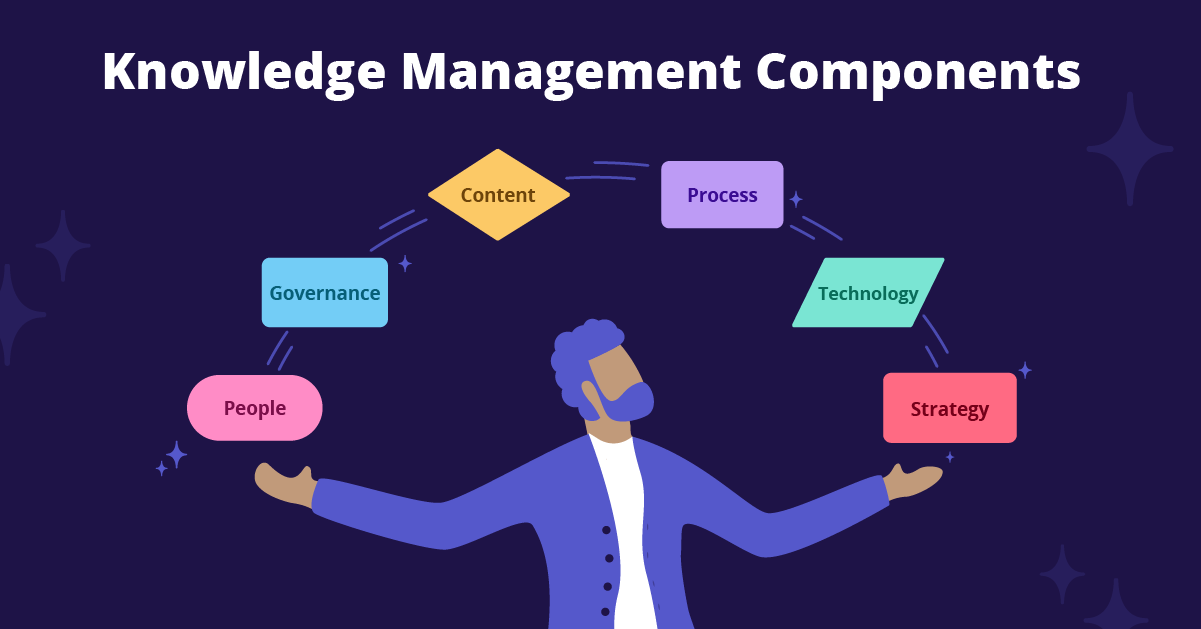
    What is knowledge management? It’s a strategic method that blends technology, business practices, and behavioral science to organize and share information within an organization. RightAnswers supports this process by helping companies manage both tacit knowledge gained through experience and explicit knowledge that can be easily documented, allowing for smoother operations and better continuity as businesses grow.

    Today’s knowledge management also includes AI and data analytics, offering deeper insights that drive innovation and keep organizations competitive in a rapidly evolving digital world.

    The Role of Knowledge Management in Enhancing Competitive Advantage

    Knowledge is a strategic asset that gives businesses a competitive edge in today’s knowledge-driven economy. Effective knowledge management ensures timely access to critical information, enabling informed decisions and rapid innovation. It enhances workforce productivity by sharing expertise across departments and breaking down information silos.

    This fosters collaboration, supports problem-solving, and drives customer-focused innovation. Companies that manage and retain intellectual assets can respond swiftly to market changes and improve products, services, and processes. A strong knowledge management system also helps reduce operational costs by preventing redundancy, aligning practices with current standards, and minimizing errors. These efficiencies contribute to greater organizational agility and long-term business success.

    Integrating Knowledge Management with Technology for Business Innovation

    Technology is essential to knowledge management (KM), enabling efficient storage, retrieval, and sharing of information. Businesses use tools like intranets, content management systems, and collaborative platforms to foster engagement and innovation. With the rise of artificial intelligence and machine learning, KM systems can now analyze vast datasets to reveal patterns and insights, supporting product development and process improvements.

    Technology also allows for personalized content delivery based on user roles and behavior, increasing relevance and engagement. However, challenges such as information overload, low user adoption, and data security risks must be addressed through strategic planning and informed tool selection to ensure technology enhances rather than hinders KM efforts.

    Strategies for Effective Implementation of Knowledge Management Practices

    Alt text: A group of professionals collaborating at a desk in an office, discussing knowledge management strategies.

    Implementing knowledge management (KM) goes beyond adopting technology; it requires a cultural transformation driven by a clear strategy aligned with organizational goals. Leadership must actively support KM, setting an example to encourage knowledge sharing. Structured processes such as project debriefs, peer reviews, and knowledge repositories should be integrated into existing workflows.

    Training programs and incentive systems help foster a culture of collaboration, equipping employees with the skills and motivation to contribute. Regular assessment is essential to measure KM effectiveness and ensure strategies remain relevant to business objectives. Continuous refinement allows organizations to adapt their approach to evolving needs and maintain alignment with their operational environment.

    Measuring the Impact of Knowledge Management on Business Performance

    Assessing knowledge management’s (KM) impact on business performance is vital for justifying ongoing investment. Key indicators include reduced costs, improved productivity, higher revenue, better employee satisfaction, and enhanced customer service. KM also supports innovation and faster time-to-market for new offerings. Anecdotal evidence, like case studies, helps illustrate KM’s role in addressing challenges and seizing opportunities.

    Measuring KM’s impact is difficult due to the intangible nature of knowledge assets, so businesses should use a balanced mix of leading and lagging indicators. Aligning KM metrics with broader business goals helps demonstrate its strategic value. Consistent reporting ensures continued focus and progress in KM efforts.

    Overall, knowledge management is a multifaceted discipline that plays a critical role in shaping the modern business landscape. By leveraging knowledge assets effectively, companies can sustain competitive advantage, innovate continuously, and deliver enhanced value to their clients. Successful knowledge management practices require both strategic vision and practical execution, with a focus on incorporating the right technology, fostering a culture of knowledge sharing, and measuring impact. As organizations continue to realize the importance of knowledge as a key driver of success, robust knowledge management will undoubtedly remain a core aspect of strategic business operations.

  • Top 10 Free Websites for Learning New Skills

    Top 10 Free Websites for Learning New Skills

    The internet kinda turned into the biggest classroom ever—just without the chalkboards and uncomfortable desks. Every day there are new platforms promising to teach you coding… or pottery… or how to bake sourdough bread that doesn’t look like a brick. Honestly, it’s overwhelming.

    So here’s a more down-to-earth guide to 10 great free websites that help you learn useful skills—without draining your wallet. These aren’t ranked exactly in order; different people need different things. Try what interests you and wander around a bit. Learning should feel like exploring, not a chore.

    1. Coursera (Free Courses Option)

    Coursera partners with big universities—Yale, Stanford, Google—to provide courses that feel legit. You can audit many of them for free. Sure, certificates cost money, but if you just want to learn, you’re good.

    They’ve got everything from psychology to data science. Some lessons can be kinda long… but worth it. You might feel like you’re back in school, in a good way.

    2. Khan Academy

    If you ever got lost in math class (same), this site feels like a friendly tutor who doesn’t judge. It started as a math platform, but now there’s science, finance, art history, SAT prep, etc. Short videos. Clear explanations.

    I still don’t know how they stay free. Magic maybe.

    3. YouTube Learning Channels

    Not exactly one website, but it’s too big to ignore. YouTube is chaotic—cat videos mixed with lectures from MIT. But there are great educational channels:

    • CrashCourse
    • TED-Ed
    • Computerphile
    • Kurzgesagt

    You can learn guitar riffs, repair your kitchen sink, understand quantum physics (maybe)… all for free. The trick is curating your feed so you don’t drift into three hours of random memes.

    4. Duolingo

    It’s kind of a language-learning game. The mascot is a little too enthusiastic sometimes—like, calm down, owl—but it works. Bite-sized lessons, lots of repetition, fun interface.

    You probably won’t become fluent just with Duolingo, but it’s a great starter and keeps you practicing daily. Plus, languages are a superpower.

    5. MIT OpenCourseWare (OCW)

    MIT just put tons of their course materials online. For free. No sign-up.

    Honestly, some of it is intense—calculus, physics, engineering. But even the intro classes are great if you’re curious. It’s like peeking into a world-class college without the stress of exams or student loans.

    6. edX (Audit Free)

    Similar to Coursera, edX offers courses from Harvard, Berkeley, and others. You can watch lectures, read materials, and complete assignments for free (certificates cost money but optional).

    The topics are broad: business, humanities, medicine, computer science. The platform feels clean and professional. Good for serious learners.

    7. Codeacademy (Free Basics)

    If you’ve ever wanted to try coding… but had no clue where to start, this site holds your hand nicely. The lessons are interactive—type code, see results instantly.

    HTML, CSS, JavaScript, Python, SQL. Some advanced stuff is paid, but the basics are enough to get rolling. And once you understand programming a little, doors start opening everywhere.

    8. Skillshare (Free Trials + Free Classes)

    Skillshare is famous for creative stuff—design, photography, writing, animation, business, lifestyle. It’s more casual; the teachers feel like real people, not professors reading slides.

    Not everything is free forever, but they often have free courses or long trials. It’s great if you’re exploring hobbies or side hustles.

    9. FutureLearn

    Based in the UK, FutureLearn works with tons of universities. You can access courses free while they’re running (and sometimes a little afterward). Certificates cost extra but optional.

    Their format feels structured, sometimes gentler than edX. They have unusual fields too—history, culture, psychology.

    10. Alison

    Alison is not super fancy looking, but there’s a lot there. Business skills, soft skills, IT, project management. Good for resume-type learning without paying.

    Some courses feel more practical than academic. Like, “How to use Excel” instead of “The theory of spreadsheets.” Helpful for job seekers.

    Why Free Platforms Matter

    These websites are more than random online classes. They’re changing what “education” means. You don’t need to go to college for everything. You don’t need to be rich. You just need curiosity—and maybe some patience because learning isn’t magic.

    Also, you get to learn at your own pace. Maybe at midnight. In pajamas. With snacks. Traditional schools don’t always allow that.

    How to Choose the Right One

    Some people learn best with videos; some prefer reading. Some want a community; others like to learn solo quietly. So think about:

    • Your learning style
    • How much time you really have
    • Whether you want a certificate
    • Your goals (career? hobby? curiosity?)

    It’s okay to try three or four platforms before one feels right. That’s normal.

    Tips for Actually Learning (Not Just Collecting Tabs)

    • Start small
    • Try one skill at a time
    • Take notes—yes, real notes
    • Practice what you learn
    • Don’t feel bad if you take breaks

    Learning is messy; no straight lines. Sometimes you’ll forget things and have to start again. That’s fine.

    Final Thoughts

    The best part about these free learning websites is that they put power back into the hands of everyday people. You don’t need permission from a university. You don’t need thousands of dollars. Just a laptop or even a phone.

    Whether you’re learning Spanish to travel, coding to boost your career, or watercolor painting just because it looks fun… the world is now your classroom. And surprisingly, a lot of the best teachers are free.

    The only real downside? You might run out of excuses for not trying.

  • The Future of Online Learning

    The Future of Online Learning

    Not too long ago, “online learning” meant boring PDFs and awkward video lectures with grainy audio. Most people didn’t take it seriously—just a backup plan for students who couldn’t get to class. Then the world changed, fast. Suddenly, learning through a screen became almost normal. Now… it’s hard to imagine education without the internet pulling the strings.

    So what comes next? Where is online learning heading? The future looks messy, exciting, a little uncertain—kind of like education has always been. But it’s definitely moving somewhere new.

    A More Personalized Experience

    One of the biggest changes happening right now is personalization. Instead of one teacher explaining the same lesson to thirty students, online tools can adjust to each learner. Some move faster; others need more time or easier explanations. Platforms are starting to pay attention to that.

    Imagine a system that watches how you learn—how long you pause, where you get frustrated, what topics confuse you. Then it tweaks everything to match your pace. Feels a little creepy, sure, but also sort of amazing. Classes aren’t just “one size fits all” anymore. They learn you while you learn them.

    It’s not perfect yet. Sometimes algorithms misread people. But with AI improving, this kind of “learning that learns” will become the norm.

    More Human, Not Less

    There’s a common fear that technology will replace human teachers. That education will become robots talking to kids. But ironically, online learning might actually make human connection more important.

    Teachers will still guide students—just differently. Less lecturing, more mentoring. Less giving information, more helping students make sense of it. A lot of students struggle not because they can’t understand content, but because they need motivation, structure, and someone to care. A screen can’t fully do that.

    So the future might be hybrid: technology offering the knowledge… and people offering the heart.

    Learning From Anywhere (Seriously… Anywhere)

    For years, “education” meant being in a building at a certain time. If you missed it, tough luck. But now, learning is everywhere—bedrooms, libraries, coffee shops, buses, backyards.

    As internet access improves globally, even rural communities can learn from top universities. A kid in a small village could study programming from MIT without leaving their town. That’s huge. Online learning has the power to shrink the world, to open doors that were once locked tight.

    Of course, there’s still the digital divide. Lots of people don’t have stable internet or devices. But strides are being made to fix that. Governments, nonprofits, and tech companies are paying attention.

    The future might make “education for everyone” more than just a slogan.

    Lifelong Learning Becomes Normal

    It used to be: school → job → done. But the world moves too fast for that now. Technology evolves, industries change, new careers appear out of nowhere. People have to keep learning or risk falling behind.

    Online learning makes that possible. You don’t need to quit your job or move to a new city. You learn as you grow—maybe during lunch breaks or late nights. The learners of the future won’t all be kids. They’ll be adults—40-year-olds learning coding, retirees studying psychology, parents brushing up their math to tutor their kids.

    Learning becomes a habit, like exercise or brushing teeth. Not a phase.

    Immersive Technologies: VR and Beyond

    Virtual reality used to sound like something only gamers cared about. But imagine learning history by standing inside ancient Rome. Or biology by walking through a 3D beating heart. Or architecture by designing buildings you can literally explore.

    VR can make learning physical, emotional, memorable. It’s not just watching—it’s being there.

    Add augmented reality (AR), where digital stuff mixes with the real world… suddenly your room becomes a mini lab or museum. These tools are still developing, and honestly, they’re pricey. But as costs drop, more schools will adopt them.

    It’s strange to think education might feel more like a video game. But hey, maybe that’s what learning needs.

    More Skills, Less Memorizing

    The future seems less about memorizing facts (we carry phones, after all) and more about building skills: creativity, problem-solving, communicating ideas, working with others. Online learning can support that through collaborative tools—group projects with students from different countries, shared documents, virtual discussions.

    Global teamwork becomes normal. You learn to communicate across cultures. It’s messy but powerful.

    And strangely, learning could become more practical. Instead of just theory, students build portfolios—apps, essays, designs, experiments—things that prove what they can do, not just what they remember.

    Microlearning: Small Bites, Big Impact

    Attention spans are shrinking… or maybe they’re just changing. Long lectures don’t always work online. People drift off. Microlearning—short lessons focusing on one idea—might be the future.

    You learn a concept in five minutes, then apply it. Slow but steady. Like stacking knowledge building blocks. This format is easier to fit into daily life.

    No pressure. Just progress.

    Challenges Still Exist

    Of course, it’s not all sunshine. Online learning has problems:

    • distractions everywhere
    • loneliness
    • lack of structure
    • tech gaps
    • misinformation

    Some students thrive online; others feel lost. Without someone encouraging them, they drift away.

    The future must solve this. Not with more fancy apps, but with support systems—mentors, community, better digital habits, healthier expectations.

    Conclusion

    The future of online learning isn’t just about technology. It’s about people using technology to learn better, deeper, smarter. It’s messy, evolving, sometimes confusing. But it’s also full of possibilities.

    Education is no longer trapped inside walls. It can travel anywhere—across oceans, across languages, across time zones. And it’s becoming more personal, more flexible, more human.

    The next decade will shape a new kind of classroom—one that fits in your pocket, or headset, or wherever you happen to be. And if we do it right, learning won’t be something you have to do…

    It’ll be something you actually want to do.

  • How to Use ChatGPT and AI Tools for Learning

    How to Use ChatGPT and AI Tools for Learning

    AI-powered tools like ChatGPT are popping up everywhere. Seriously… it feels like one day we were just googling questions, and suddenly there’s a tool that not only finds answers but talks back, helps solve problems, and even explains step-by-step. Students all over the world are figuring out how to use AI for schoolwork and personal projects. Some use it carefully; others… well, they try to make it do all the work.

    But here’s the thing: AI works best when you treat it like a study partner, not a shortcut machine. Used right, it can help you learn faster, stay curious, and build stronger skills. Used wrong, it can make you dependent or even mislead you.

    So let’s break down how ChatGPT and similar tools can support your learning—without turning your brain into a lazy sponge.

    First: Understand What ChatGPT Actually Is

    A lot of people think ChatGPT is like a search engine. It’s not. It generates responses based on patterns it learned from vast amounts of text. It predicts what words should come next. This means it can explain concepts, summarize text, brainstorm ideas—but sometimes it also makes mistakes. Little ones, or sometimes surprisingly big ones.

    So, treat it like a helpful tutor sitting next to you… not like an all-knowing authority.

    1. Use AI to Understand Hard Topics

    Ever read a paragraph from your textbook and feel nothing makes sense? Yeah, same. That’s where AI can help. Just paste the passage, ask it to explain like you’re 10 years old—or like you’re half asleep and need the “version for dummies.” It will break things down into smaller chunks. Suddenly, tricky ideas feel lighter.

    You can also ask for analogies:

    “Explain photosynthesis like it’s making lemonade.”

    Silly, but surprisingly useful. Your brain remembers stories way better than raw facts.

    2. Summarize and Review Faster

    If you’re short on time (we’ve all been there), you can ask ChatGPT to summarize long articles or research papers. It gives the main points quickly, which is great for review sessions. But don’t rely only on summaries. They miss nuance.

    Better approach:

    1. Read the AI summary
    2. Skim original text
    3. Ask questions about unclear parts

    That builds understanding instead of just memorizing.

    3. Ask It to Quiz You

    AI is great at making instant practice questions.
    You can say:

    “Quiz me on the causes of World War I. Multiple choice, please.”
    or
    “Give me flashcards for Spanish vocabulary.”

    When you answer, ask it to check. Seeing mistakes in real time helps your brain fix gaps before exams.

    It feels almost like having a personal tutor on standby—except this one doesn’t get tired at 2 a.m.

    4. Use AI to Learn Different Perspectives

    One of the coolest things: you can ask AI to argue from different viewpoints. This is huge for subjects like literature, history, philosophy… where the answer isn’t just right or wrong.

    For example:

    “Explain the theme of ambition in Macbeth from Macbeth’s viewpoint. Now from Lady Macbeth’s.”

    This helps you think more critically—beyond memorizing quotes.

    5. Help With Writing… But Don’t Let It Write for You

    Let’s be honest. Some students just ask AI to write their essays. Sounds easy, but it’s a terrible habit. Schools are getting better at spotting AI text, and more importantly… you learn nothing from copying.

    A smarter way:

    • Brainstorm topics
    • Outline arguments
    • Ask for examples to inspire thoughts
    • Get feedback on your draft
    • Ask it to explain grammar mistakes

    Think of it like a writing coach.

    You do the work. AI helps you refine it.

    6. Explore New Subjects Without Pressure

    Want to learn something random… like how Roman aqueducts worked or what quantum computing actually means? AI tools give you a soft introduction before you dive into textbooks or videos. You can ask follow-up questions without feeling embarrassed—there’s no judgment.

    This makes learning web-shaped instead of linear. You follow curiosity. One topic leads to another. That’s how some of the best ideas are born.

    7. Learn Study Techniques and Time Management

    AI can help more than just content. If you struggle with planning, ask it:

    “Make me a weekly study schedule for 5 subjects.”

    or

    “How do I stay focused while reading?”

    It can teach you memory strategies, note-taking methods, and how to break tasks into smaller pieces. Sometimes what you need isn’t more knowledge—it’s a better way to organize.

    8. Check Accuracy (Because AI is Not Perfect)

    AI can be wrong. Sometimes confidently wrong. So always double-check facts, formulas, citations. If you’re working on something important—research, medical info, historical dates—cross-verify with real sources. Trust, but verify.

    This step trains your brain to think critically—something AI can’t do for you.

    9. Keep Ethics in Mind

    Using AI responsibly matters. Copy-pasting answers into homework or essays isn’t just risky—it stops you from actually learning. And honestly, it shows later. You can’t build skills on shortcuts.

    Better mindset:

    “How can I use AI to learn, not avoid learning?”

    Teachers can actually encourage AI use—if students use it properly. It’s becoming part of education anyway, so the goal is learning how to use it wisely.

    10. Blend AI With Real Resources

    AI is powerful, but it can’t replace:

    • Books
    • Real teachers
    • Class discussions
    • Hands-on practice

    Use AI as a supplement, not a replacement. Think of your learning toolbox. AI is just one tool—not the whole kit.

    Final Thoughts

    Artificial intelligence is reshaping how students learn. It can explain tricky topics, quiz you, guide your writing, and show you new worlds. But the real magic doesn’t happen when AI does the work—it happens when you use AI to learn more deeply.

    It’s not about replacing your brain. It’s about enhancing it.

    So treat AI like a helpful study buddy. Curious. Sometimes clumsy. Always willing to help. The more wisely you use it, the farther you’ll go.

    And maybe that’s the real future of learning—humans and machines working together, not to take shortcuts, but to expand what’s possible.

  • Best Educational YouTube Channels for Students

    Best Educational YouTube Channels for Students

    YouTube used to just be cat videos and random vlogs. Then suddenly, it became a massive digital classroom. Today, students can learn almost anything—from math to psychology to how black holes bend time—just by hitting play. It’s wild, honestly. And kind of amazing.

    But with so many channels out there, it’s easy to get overwhelmed. Which ones are actually helpful? Which ones explain stuff clearly without making your brain melt?

    Let’s take a look at some of the best educational YouTube channels that real students keep turning to. These are channels that teach, but also inspire curiosity, and make learning feel less like a chore and more like… fun?

    1. Khan Academy

    Khan Academy is pretty much a household name now. It started with Salman Khan tutoring his cousin. Just small math videos. Now it’s a giant nonprofit teaching millions.

    What makes Khan Academy good is how simple everything is. No flashy stuff—just clear explanations. If you’re struggling with math, chemistry, economics, or SAT prep, this channel is a lifesaver.

    The videos are short and straight to the point. The narrator has a calm voice, almost like he’s sitting next to you at a table with a notebook. Sometimes that’s all you need—someone to show you step-by-step.

    2. Crash Course

    If you’re someone who loves fast-paced lessons (and maybe a little humor), Crash Course is your place. Created by the Green brothers—yes, John Green, the author—the channel covers everything from world history to biology to media literacy.

    The videos are snappy, colorful, sometimes chaotic, but in a good way. They cover a lot of info quickly, which can be overwhelming if you’re not used to the style. But somehow it works. You learn a ton without realizing it.

    Crash Course is especially great for high school and college students who want quick summaries before exams.

    3. Kurzgesagt – In a Nutshell

    Science but make it beautiful. Kurzgesagt creates animations that look like they belong in a museum. They take big topics—quantum physics, AI ethics, space travel—and turn them into 10-minute stories.

    They never talk down to the audience. They assume you’re curious. The level of research behind each video is intense. They cite scientific studies, talk to experts, and try to be as accurate as possible.

    Even if you’re not a science kid, it’s hard not to get sucked in.

    4. TED-Ed

    TED-Ed is like TED Talks but shorter, animated, and designed specifically for learning. Each video focuses on one idea—like “Why do we dream?” or “How does memory work?”

    The tone varies—some videos feel whimsical, others serious. But the quality stays high. Many lessons come from real teachers who propose ideas, which makes it feel more grounded in the real world.

    TED-Ed is a fantastic starting point if you just want a taste of a topic without diving too deep.

    5. Veritasium

    If you love science but hate formulas, Veritasium might be your new best friend. Derek Muller, the creator, explores scientific mysteries, weird experiments, and misconceptions.

    He often challenges viewers’ assumptions—like “Are solar panels really inefficient?” or “Do we understand randomness?” Sometimes he interviews experts; other times he runs experiments himself.

    This channel is perfect for building critical thinking, not just memorizing facts.

    6. Numberphile

    Math can be scary. But Numberphile makes it… oddly comforting? Videos feature mathematicians who explain big ideas—prime numbers, pi, paradoxes—in simple conversation.

    The tone isn’t formal. It feels like hanging out with passionate nerds who can’t help but explain why numbers are cool. Even if you don’t fully understand every detail, their excitement is contagious.

    If you’re even a little curious about numbers, you’ll like this one.

    7. AsapSCIENCE

    AsapSCIENCE is short, cute, and incredibly digestible. Two creators use illustrations to explain everyday science questions:
    – Why do we get déjà vu?
    – Can you learn while you sleep?
    – Is coffee good for your brain?

    The videos are quirky and fun. Great for middle and high school students who like science but hate dry lectures.

    8. SmarterEveryDay

    Destin, the creator, films experiments and engineering projects, then explains the science behind them. It’s like watching a curious friend investigate how the world works.

    He talks about everything—slow-motion mechanics, firearms physics, space tech, biology. The tone is friendly, honest, and personal.

    This channel blends adventure with education, which makes it awesome for students who learn best through real-world examples.

    9. CGP Grey

    Hard to describe—he explains complex systems in really simple animations. Stuff like:
    – How governments work
    – How voting systems differ
    – Why people migrate

    The videos are short but surprisingly deep. CGP Grey is ideal for students interested in politics, economics, or social systems.

    10. The Organic Chemistry Tutor

    Ok, so this one isn’t flashy. No animations, no jokes. But if you’re dealing with math or science—especially chemistry—this channel is gold.

    He explains problem-solving clearly and steadily. Like a personal tutor who doesn’t get tired or annoyed. If you’re prepping for exams, you’ll appreciate this one, especially late at night when your brain is mush.

    Why YouTube Works for Learning

    Aside from being free (thank goodness), YouTube lets students:

    • Learn at their own pace
    • Rewatch explanations
    • Access global educators
    • Explore topics schools don’t teach

    Some teachers even use these videos in their classrooms. Others assign them as supplemental learning.

    It’s like having millions of mini-lessons stored in your pocket.

    Final Thoughts

    The internet can be a mess. But buried inside it is a treasure trove of knowledge that past generations could only dream of. YouTube, when used well, becomes more than entertainment—it becomes a doorway.

    These channels aren’t just teaching facts; they’re teaching curiosity, creativity, and how to think. You might start watching a video to avoid homework. Next thing you know, you’ve learned how stars are born or why democracy works the way it does.

    And honestly… that’s kind of beautiful.

  • How AI Is Changing the Education System

    How AI Is Changing the Education System

    Education has always changed slowly. Like… painfully slow. For decades, we’ve had the same picture: classrooms with students sitting in rows, teachers lecturing at the front, textbooks stacked like bricks. But suddenly—almost overnight—it feels like something big is happening. Artificial intelligence (AI) quietly walked into the classroom, and now everything looks a little different. Maybe even a bit weird.

    Some people are excited. Others worried. Both have valid points. But one thing seems certain: AI is reshaping how students learn, how teachers teach, and what classrooms might look like in the next few years.

    Let’s unpack all that.

    A New Partner for Teachers (Not a Replacement… hopefully)

    One misconception is that AI will replace teachers. Realistically? No. Kids still need people who understand emotions, who encourage them, who… just get them. But AI can be a powerful assistant.

    For example, AI can:

    • Grade multiple-choice or short written responses faster
    • Track student progress
    • Recommend personalized exercises
    • Spot learning difficulties early

    A teacher might spend hours grading or planning lessons. AI tools can automate some of that, freeing teachers to do what they’re best at—actually working with students.

    Imagine a teacher who knows which student struggles with fractions, who needs more reading practice, or who’s bored because the lessons are too easy. AI makes that possible at scale. It’s like having a second brain focused only on data.

    Personalized Learning Becomes Real

    For decades, “personalized learning” was basically a buzzword. Teachers tried, but with 30 students of wildly different abilities, it was easier said than done.

    AI changes that.

    AI tutoring tools can adjust difficulty levels on the fly. If you breeze through algebra, the software nudges you toward more challenging problems. If you stumble, it slows down. Some tools even analyze how you learn—visually, verbally, through repetition—and adapt to your style.

    This kind of individualized learning gives struggling students extra help without embarrassing them. And advanced students can grow without waiting for the class to “catch up.”

    It’s not a perfect system, but it’s a huge step.

    Smarter Study Tools

    Students today, honestly, have an entire toolbox that didn’t exist ten years ago. AI can summarize long articles, generate flashcards, quiz you, re-explain topics in simpler language, and even create practice tests.

    Some of these tools are controversial—people argue they make students lazy. But they also help kids who learn differently. For a student with dyslexia, text-to-speech can be life changing. For one who struggles with writing, predictive tools help them communicate.

    These tools don’t remove thinking. They reduce barriers so students can actually focus on understanding.

    AI and Accessibility: A Big Win

    This is maybe the most underrated thing: AI makes education more accessible.

    Think about:

    • Speech recognition for students who can’t type
    • Text-to-speech for reading difficulties
    • Real-time translation for language learners
    • Visual aids for students with processing challenges

    These aren’t hypothetical. They’re already happening.

    A student who once felt left out can participate more fully. That matters. A lot.

    New Opportunities… and Some Risks

    AI isn’t magic. And it’s definitely not perfect.

    One major concern is data privacy. AI tools collect info about students—test performance, behavior patterns, maybe even location. If mishandled, that data could be sold or misused. Schools and governments need strong rules about what’s collected and how it’s used.

    Another worry: bias. AI is trained on data, and if the data has bias, the results can too. That means AI could judge students unfairly—something we need to take seriously.

    And of course… cheating. With AI tools that can write essays or solve math problems, it’s getting harder to tell if students learned something—or if the AI did all the work. Teachers are now trying to redesign assignments so critical thinking outweighs simple answer-finding.

    The Role of Teachers Is Changing

    Teachers aren’t becoming obsolete. But their roles are evolving.

    Instead of being the main source of information—lecturing, writing on boards—teachers may become more like guides or mentors. They’ll help students think critically, ask questions, evaluate AI output, and understand context. The human part of learning becomes even more important.

    Soft skills—creativity, empathy, teamwork—will matter more, because AI isn’t great at those.

    At least… not yet. (Joking. Mostly.)

    Lifelong Learning Isn’t Optional Now

    AI is changing work too. New careers are emerging, old ones disappearing. So schools are shifting focus. It’s not just about memorizing facts; it’s about learning how to learn.

    Students will need:

    • Adaptability
    • Problem-solving skills
    • Comfort with tech
    • Curiosity

    The world is moving fast. Schools are trying to keep up.

    What Classrooms Might Look Like Soon

    Picture this:
    A student puts on smart headphones that translate the teacher’s words in real time. Another uses an AI that builds a custom lesson plan based on yesterday’s performance. A third gets instant feedback on a writing assignment—before the teacher even reads it.

    Teachers monitor all this through smart dashboards. Instead of trying to divide attention across 30 kids, they get a clear picture of who’s excelling and who needs help.

    This isn’t sci-fi. It’s starting to happen already.

    Conclusion

    AI isn’t a threat to education. It’s a tool—one with huge potential, but also real challenges. It can make learning more personalized, more accessible, and yes, maybe more fun. But we need careful planning, thoughtful rules, and a commitment to keeping humans at the center.

    Because at its heart, education isn’t just information. It’s relationships. It’s growth. It’s messy and emotional and unpredictable. AI can help shape the path—but the journey is still human.

  • How to Overcome Learning Difficulties

    How to Overcome Learning Difficulties

    Learning isn’t always smooth. Some people seem to absorb knowledge like sponges, while others—maybe you—struggle even when they’re trying their hardest. It’s frustrating. Sometimes it even hurts your confidence. You start believing you’re “just bad at learning,” or worse, that something’s wrong with you.

    But here’s the truth: learning difficulties are more common than we think. And they don’t mean you can’t learn. They just mean you learn differently. With the right strategies, support, and patience, you can grow faster than you ever expected.

    Let’s explore how to overcome learning difficulties—not magically, but realistically.

    Understanding Learning Difficulties

    Learning difficulties show up in different ways. You might struggle with reading, focusing, processing spoken information, organizing thoughts, or remembering steps. These challenges can be caused by many things—attention differences, dyslexia, anxiety, weak study habits, environment… sometimes a mix.

    What matters is this: learning difficulty ≠ lack of intelligence.

    Many brilliant people struggled academically—Einstein, Da Vinci, Agatha Christie. Their minds just worked differently. Yours might too. And that’s okay.

    Step 1: Identify the Problem (Don’t Guess in the Dark)

    You can’t fix what you can’t see. If you’re hitting a wall, the first step is to figure out where the struggle actually is. Is it reading comprehension? Concentration? Memory? Maybe time management?

    Some signs:

    • You understand concepts but struggle to express them
    • You forget instructions easily
    • You get overwhelmed by written text
    • You start tasks but rarely finish
    • You need more time than others to understand the same information

    If these sound familiar, pay attention. You may benefit from:

    • Self-reflection
    • Speaking with teachers or mentors
    • Psychological testing (if needed)

    A proper assessment—formal or informal—helps build a roadmap. You wouldn’t repair a car without knowing what’s broken. Same idea here.

    Step 2: Break Tasks into Smaller Steps

    One big challenge with learning difficulties is overwhelm. When information feels too large, your brain shuts down like, “Nope. Not doing that.”

    So break the task into tiny pieces.

    Don’t study a whole chapter. Study one page. Or one paragraph. Or even one vocabulary word.

    Small wins build confidence. Confidence builds momentum. Momentum keeps you going.

    Some people think this is “too slow.” But slow is fine. Progress is progress.

    Step 3: Use Multiple Learning Methods

    Everyone learns differently. Some people are visual—diagrams, pictures. Others prefer listening. Some learn by doing. If one method doesn’t work for you, try another.

    Examples:

    • Read, then watch a video about the same topic
    • Draw the concept as a picture
    • Teach someone else (or your pet… yes, really)
    • Use flashcards
    • Listen to recordings
    • Try hands-on practice

    Mixing methods activates more parts of your brain, making learning stronger and easier to remember.

    Also—it makes studying less boring.

    Step 4: Make a Routine (But Forgive Yourself Too)

    Structure helps the brain feel safe. If you study at the same time every day—even for 15 minutes—your brain starts expecting it. It becomes a habit, not a battle.

    But here’s the important part:
    If you miss a day, don’t panic. Don’t quit. Just try again tomorrow. Progress is rarely straight. Think of it like walking up a hill—slippery but forward.

    Perfection is the enemy. Consistency is the friend.

    Step 5: Manage Stress & Emotions

    Learning difficulties aren’t only about the brain; they’re about emotions too. Stress makes learning harder. Anxiety blocks memory. Shame stops you from asking for help.

    A calm brain learns better.

    Try:

    • Short breaks
    • Deep breathing
    • Talking to someone supportive
    • Studying in a quiet space
    • Music (if it helps focus)

    Even simple things like stretching help. Your nervous system needs balance so your brain can absorb information.

    Step 6: Ask for Help (Seriously, It’s Not Weakness)

    Many people struggle because they think they must fight alone. But everyone needs support.

    Ask:

    • Teachers
    • Friends
    • Family
    • Tutors
    • Therapists

    Not for answers, but for guidance.

    You’re not dumb for asking. In fact, asking for help shows strength. It’s how people grow. Everyone who succeeds has received help somewhere—trust me.

    Step 7: Use Tools & Technology

    We live in a great time—there are countless tools to support learning differences.

    Examples:

    • Text-to-speech readers
    • Audiobooks
    • Speech-to-text writing tools
    • Grammar checkers
    • Timers to help focus
    • Organizational apps
    • Note-taking apps

    These don’t make learning “easier” in the sense of cheating. They level the playing field so your brain can focus on what matters.

    Use them without guilt.

    Step 8: Celebrate Small Progress

    People with learning difficulties often feel like they’re always behind. So they only notice what they can’t do. This kills motivation.

    Instead—celebrate wins:

    • Finished a page? Celebrate.
    • Understood one new concept? Celebrate.
    • Studied three days this week? Celebrate.

    Progress isn’t measured by speed. It’s measured by growth.

    Little steps lead to bigger ones.

    Step 9: Believe You Can Improve

    Maybe this sounds cheesy, but mindset is huge. If you believe you can grow, you’ll keep trying. If you believe you’re incapable, you quit.

    Learning difficulties don’t define your limits. They define your strategy.

    Brains change. Skills improve. Neuroplasticity—your brain’s ability to adapt—continues through your lifetime. You can get stronger, smarter, more capable.

    It’s not about being the best. It’s about becoming better than before.

    Conclusion

    Overcoming learning difficulties is not about eliminating the struggle. It’s about understanding it, adapting to it, and moving forward anyway. You don’t need to learn like everyone else. You just need to learn in the way that works for you.

    Break tasks down. Use tools. Ask for help. Try different methods. Be kind to yourself. And remember—you’re not alone.

    Learning is a journey. Sometimes slow, sometimes messy. But absolutely possible.

    You can do this. One step at a time.

  • The Benefits of Learning a Second Language

    The Benefits of Learning a Second Language

    Most people think learning a second language is just about talking to more people. Sure, that’s part of it. But the benefits run deeper—into your brain, your identity, how you see the world, even your future paycheck (not kidding). Picking up another language isn’t simply a hobby; it’s an upgrade to how you experience life.

    And before you say, “I’m too old, too busy, too bad at languages,”—relax. Humans are built for language. It’s what we do.

    Let’s look at why a second language is worth the trouble.

    A Workout for Your Brain

    When you learn a new language, your brain literally changes shape. Not dramatically, like a sci-fi mutation. But neurologically, new pathways form. Communication between neurons speeds up. Studies have shown stronger gray matter density—the stuff linked to memory, attention, and decision-making—in bilingual individuals.

    It’s like your brain gets new wiring.
    Cleaner. Faster. Sharper.

    People who speak more than one language often show:

    • Improved memory
    • Better focus
    • Faster problem-solving
    • Stronger multitasking skills

    You train your brain to switch between systems, which translates into quicker mental flexibility in everyday life. Even simple tasks—like remembering directions or making decisions—can get easier.

    Makes You Better at Your First Language

    A funny thing happens when you learn a second language: You start noticing your native tongue more. You understand grammar rules you never thought about. You notice words and sentence rhythms. You learn how language works—not just how to speak it.

    Kids who grow up bilingual often perform better in reading and writing in both languages. Adults, too, become more intentional communicators. You choose your words more carefully. You listen more, because you’ve trained to pay attention to cues.

    Basically, you get smarter about how you speak. Even in your original language.

    Long-Term Brain Health

    There’s a big one here—bilingual people tend to have stronger resistance to cognitive decline later in life. Alzheimer’s and dementia often appear later in bilingual adults compared to monolingual ones. Learning a second language builds cognitive reserve, giving your brain more tools to stay active and resist damage.

    It’s like long-term insurance for your mind.

    Sure, learning Spanish won’t make you immortal, but it may help keep you clearer, sharper, longer.

    Career & Opportunity Boost

    In a global world, speaking only one language can feel… limiting. Companies increasingly look for employees who can communicate across cultures. Multilingual candidates often earn more, get better job offers, and have more chances to work abroad.

    Industries that benefit:

    • Business & marketing
    • Diplomacy
    • Healthcare
    • Education
    • Travel
    • Tech
    • Translation/interpreting

    Even if you don’t plan to move overseas, being bilingual is like having a Swiss-army knife in your resume. It signals adaptability and cultural awareness—skills employers love.

    Travel Becomes Real

    Tourists see places. Speakers experience them.

    There’s a difference between reading a menu by guessing and actually understanding what you’re ordering (and not accidentally ending up with something… questionable). When you speak the language—even just conversationally—you connect more deeply. People open up, tell stories, treat you not just as a visitor but as a participant.

    You travel not just through places but through cultures.

    Honestly, some of the most meaningful travel moments come from simple conversations—a café owner telling you about her grandmother’s recipes, or a cab driver explaining the history of the street you’re on. Language unlocks doors you didn’t even know were there.

    Cultural Understanding & Empathy

    Learning a language is learning the way another group of people sees the world. Some languages don’t have words for things you’ve always assumed were universal. Others have five words for “love,” or ten for “snow,” or particular phrases that just don’t translate.

    You realize how language shapes thought. You understand jokes you couldn’t before. You appreciate traditions, values, and perspectives without seeing them through only your cultural lens.

    That’s empathy—real empathy. You stop thinking your way is the way. Instead, it becomes a way.

    The world grows bigger.

    Confidence—Even When You Feel Silly

    Speaking a new language is awkward at first. You mess up. You say “pregnant” instead of “embarrassed” (it’s a real mistake in Spanish—embarazada). You sound like a toddler. It’s humbling.

    But when you stick with it, every little win builds confidence. Ordering coffee. Asking directions. Holding a conversation for five minutes. You realize you can communicate in an entirely new system. That’s empowering.

    You carry that confidence into other aspects of life—work, relationships, creativity. It’s proof you can learn, adapt, survive discomfort, grow.

    A Gateway to More Learning

    Once you learn one language, others come easier. You understand patterns—grammar structures, word roots, language families. Italian makes Spanish easier. Spanish makes French easier. And so on.

    You also develop discipline: daily practice, patience, problem-solving. Learning habits spill into other areas. You become a better learner—not just of language, but of almost anything.

    A Deeper Sense of Identity

    For some people, a second language reconnects them to their ancestral culture. For others, it creates a new layer of identity. You start thinking differently, literally. Bilingual people sometimes say they feel like a slightly different version of themselves in each language.

    Not fake. Just… expanded.

    You access new humor, new emotional expression, new ways to describe your own thoughts. You grow into multiple dimensions.

    Conclusion

    Learning a second language isn’t just about saying more words. It’s about thinking differently, exploring deeply, opening doors—sometimes doors you never knew existed. It strengthens your brain, your empathy, your career, your confidence. And it gives you another voice, another world to belong to.

    Plus, it’s just fun. A puzzle that reveals pieces of people and stories and histories.

    You don’t have to be fluent. You just have to start. Ten minutes a day. One word at a time.

    And before you know it, the world becomes just a little bigger—and so do you.